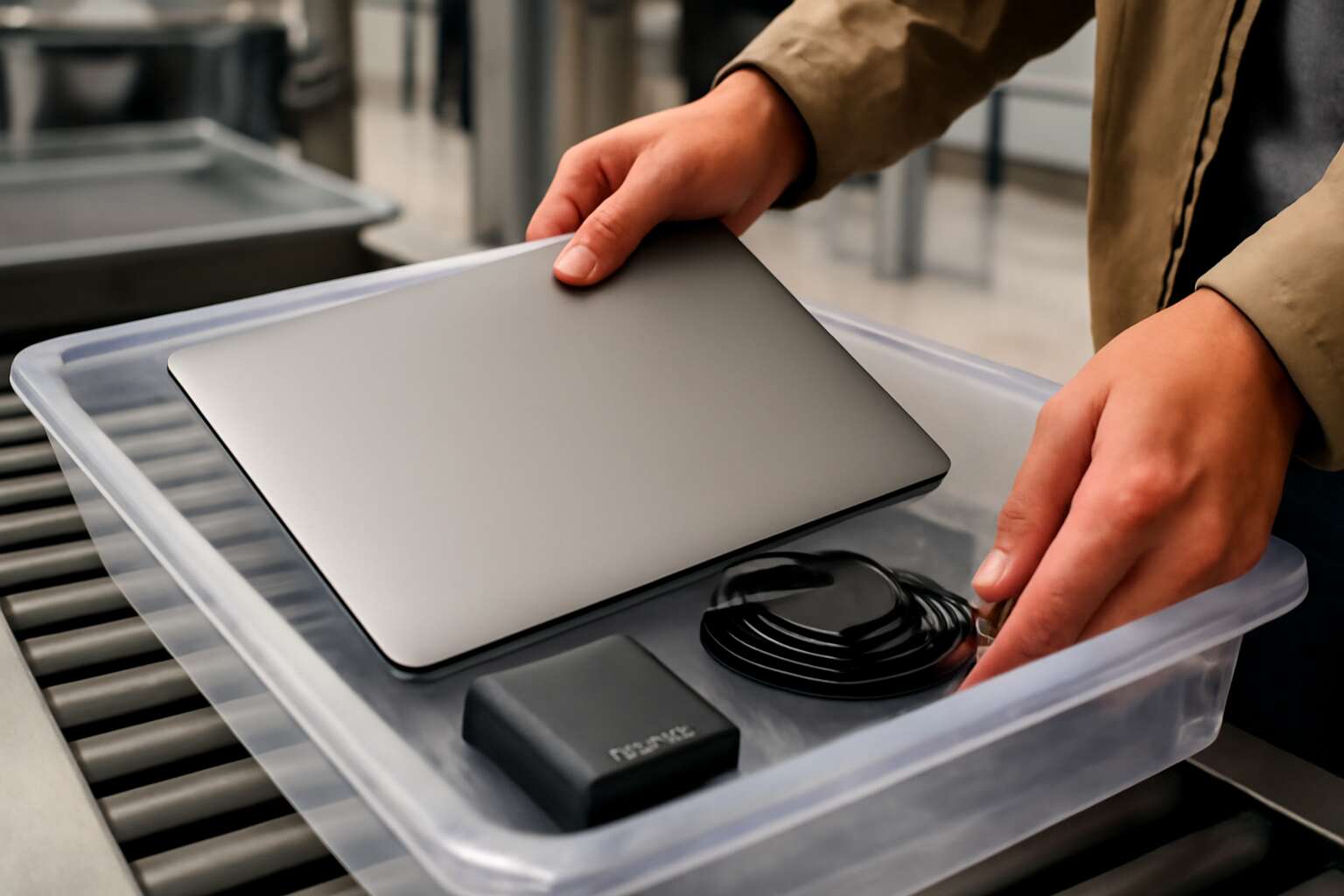
Understanding Rechargeable Batteries and Airline Regulations
Types of Rechargeable Batteries – Li-ion, NiMH, and Other Types
Rechargeable batteries have become the pulse of modern technology, empowering our devices with sustainable energy. These marvels of innovation, such as lithium-ion and nickel-metal hydride (NiMH) batteries, carry a magnetic allure for eco-conscious travelers and tech enthusiasts alike. But as we chase our adventures across skies, the question remains: can rechargeable batteries be in checked baggage?
Understanding the intricacies of rechargeable batteries and airline regulations is essential. Lithium-ion batteries, for example, are notorious for their high energy density and are commonly found in smartphones and laptops. Meanwhile, NiMH batteries offer a more forgiving profile but still demand careful handling. It’s vital to know that some airline policies prohibit certain types of rechargeable batteries in checked luggage due to fire hazard concerns. Airlines often prefer these batteries to be carried in hand luggage to allow quick inspection and emergency response if needed.
Importance of Regulatory Compliance – FAA and IATA Guidelines
In the vast expanse of travel logistics, the question of whether can rechargeable batteries be in checked baggage remains one that perplexes many intrepid explorers. Regulatory frameworks established by authorities like the FAA and IATA serve as guardians of safety, weaving intricate guidelines to prevent potentially catastrophic incidents. These regulations aren’t merely bureaucratic formsality—they are vital safeguards designed to mitigate fire hazards stemming from the spontaneous combustion of lithium-ion and other rechargeable batteries.
Understanding these regulations is crucial for any traveler with a penchant for high-tech gadgets or eco-conscious rechargeable batteries. The FAA, for instance, mandates that most rechargeable batteries, especially lithium-ion types, should be carried in hand luggage, never checked. This ensures swift access in emergencies and facilitates compliance with international safety standards. Airlines strictly enforce such rules, and violations can lead to delays or confiscation. Ultimately, adhering to these guidelines is not just about obeying rules—it’s about ensuring the safety of all onboard, transforming the journey from a potential danger zone into a smoothly orchestrated adventure.
To navigate this complex landscape, it’s helpful to recognize the guidelines set forth by aviation authorities. The IATA dangerous goods regulation system further clarifies that:
- Small rechargeable batteries, such as those built into smartphones and laptops, generally must be transported in carry-on luggage.
- Spare batteries in checked baggage are often prohibited unless properly protected against short circuits.
- Devices containing rechargeable batteries should be turned off and protected from accidental activation during transit.
In these rules lies a clear narrative: safe, responsible travel with rechargeable batteries does not merely hinge on convenience but on adherence to international safety standards. Can rechargeable batteries be in checked baggage? Strictly speaking, the answer is generally no—unless they are exceptionally packed and comply with the specific regulations—an unspoken rule that fuels the journey of every seasoned traveler.
Differences Between Checked and Carry-On Baggage – Security and Safety Considerations
Rechargeable batteries are more than just power sources — they embody the very pulse of modern mobility. Their capacity to provide sustainable energy aligns with a collective consciousness striving for environmental responsibility. Yet, beyond their eco-friendly allure lies a complex web of security concerns that airlines and regulators must navigate. A pivotal question often emerges among travelers: can rechargeable batteries be in checked baggage? The answer, nuanced and rooted in safety, is a firm no in most cases. Airlines and international regulations prioritize these questions because of the fire hazards that lithium-ion and other rechargeable batteries pose.
The distinctions between checked and carry-on baggage are significant, especially when considering security and safety. Checked baggage undergoes less direct scrutiny during screening, making it a less ideal environment for fragile, potentially volatile components like rechargeable batteries. In contrast, carry-on luggage allows for immediate inspection and quick access if an emergency arises. This is why regulators strongly recommend that devices containing rechargeable batteries—such as laptops, smartphones, or cameras—remain in hand luggage. The safety considerations behind this regulation are rooted in the risk of spontaneous combustion or short-circuiting, which could have catastrophic consequences at altitude.
Common Use Cases for Rechargeable Batteries – Personal Devices, Power Tools, Electric Vehicles
Understanding rechargeable batteries is essential for any traveler navigating modern mobility. These batteries power everything from smartphones and laptops to power tools and electric vehicles, reflecting our dependence on sustainable energy solutions. Unlike disposable batteries, rechargeable ones are designed to withstand hundreds of charge cycles, making them an eco-friendly choice for daily life. However, with their growing ubiquity, the question arises: can rechargeable batteries be in checked baggage? The answer is often a firm no, primarily because of safety concerns. The volatile nature of lithium-ion and other rechargeable batteries can pose serious fire hazards if not handled properly during transit.
Common use cases for rechargeable batteries are diverse and expanding. For example, personal devices such as smartphones, tablets, and cameras rely heavily on these energy sources. Power tools, which often contain larger rechargeable batteries, are another category where safety regulations come into play. Electric vehicles, although less common in general travel, are increasingly viewed as part of a sustainable transportation solution, and their batteries are subject to strict airline regulations.
- Personal electronic devices
- Power tools and accessories
- Electric vehicles and e-bikes
Given these widespread applications, airlines and regulators constantly scrutinize how rechargeable batteries are transported. The overarching concern is that these batteries, especially when damaged or improperly packed, could short-circuit or overheat. This is precisely why most aviation authorities prohibit placing rechargeable batteries in checked baggage—limiting their transport to carry-on luggage where immediate access and inspection are possible. So, while rechargeable batteries are indispensable in our lives, they require cautious handling during air travel, especially regarding whether they can be in checked baggage. Their safety profile, and the potential risks involved, makes carrying them in hand luggage the prudent choice for most travelers and airlines alike.
Can Rechargeable Batteries Be Placed in Checked Baggage?
General Airline Policies – Varies by Carrier
Travelers often grapple with the complex web of airline regulations, especially when it comes to rechargeable batteries. Interestingly, given the rising ubiquity of devices powered by rechargeable batteries, many wonder: can rechargeable batteries be in checked baggage? The answer hinges heavily on airline policies, which vary by carrier and jurisdiction. Some airlines allow rechargeable batteries in checked baggage if they are properly protected and meet specific safety standards, while others strictly recommend carrying them in hand luggage. This divergence underscores the importance of consulting your airline’s guidelines before packing.
It is crucial to distinguish between the types of rechargeable batteries and their hazardous potential. Typically, lithium-ion batteries demand more cautious handling, often requiring terminals to be insulated and batteries to be in original packaging or protective cases. In contrast, nickel-metal hydride (NiMH) batteries are generally considered less risky but still need to adhere to safety protocols. Airlines emphasize that travelers should always check whether their rechargeable batteries, especially those integrated into devices, conform to the airline’s safety standards, as violations can lead to confiscation or delays. After all, the safety of everyone on board is a shared responsibility, making understanding these policies more than just a bureaucratic necessity—it’s an act of mindfulness in the digital age.
International Regulations – ICAO, IATA Restrictions
When it comes to air travel, questions about lithium-ion and other rechargeable batteries often seem shrouded in mystery. International regulations, especially those set by ICAO and IATA, impose strict restrictions on what batteries can be packed in checked baggage. These bodies recognize the potential hazards that rechargeable batteries, if damaged or improperly stored, may pose to aircraft safety. As a result, the question arises: can rechargeable batteries be in checked baggage? The answer is nuanced and governed by precise international standards designed to mitigate risks.
According to ICAO and IATA restrictions, rechargeable batteries—particularly lithium-ion types—must adhere to rigorous packaging and safety protocols. Airlines typically require that batteries be isolated, insulated, or stored in protective cases when placed in checked luggage. They generally recommend carrying high-capacity rechargeable batteries in hand luggage to allow for immediate inspection or removal if necessary. This approach aligns with global standards aimed at preventing thermal runaway and other hazards during flights.
- Rechargeable lithium-ion batteries exceeding specific watt-hour thresholds
- Batteries not in original manufacturer packaging or properly protected
- Batteries damaged or exhibiting signs of malfunction
Understanding these restrictions is essential, especially for travelers with advanced gadgets or power tools. The global regulatory landscape underscores that while some rechargeable batteries can be in checked baggage under certain conditions, the safest route remains carrying them onboard, where dangers can be swiftly managed. Ignoring these rules could lead to confiscation or even flight delays, making compliance not just a legal necessity but a responsibility that safeguards everybody on board.
Exceptions and Special Cases – Large Batteries, Medical Devices
When it comes to air travel, the question “can rechargeable batteries be in checked baggage?” often sparks debate among travelers with high-tech gadgets or power tools. While international regulations focus heavily on lithium-ion batteries due to their potential hazards, there are notable exceptions and specific cases that merit attention. Large batteries, for instance, tend to fall under stricter scrutiny and often require special handling.
Items like medical devices—pacemakers, defibrillators, or portable ventilators—are essential and typically have different protocols. These devices often contain large rechargeable batteries that need to be transported securely. Airlines usually allow such medical equipment in checked baggage but demand clear documentation and proper packaging to prevent damage.
- For example, batteries for medical devices are generally exempt from the usual restrictions if accompanied by medical authorization and proper documentation.
However, for large rechargeable lithium batteries that do not come in their original packaging or aren’t properly protected, strict regulations still apply. These batteries often cannot be in checked baggage unless they meet all safety standards, are correctly insulated, and are within the permitted watt-hour limits. Special cases like these underline the importance of understanding international airline policies and ICAO or IATA restrictions.
Risks Associated with Placing Batteries in Checked Baggage – Fire Hazards and Damage
Traveling with rechargeable batteries often feels like navigating a minefield—one small misstep can lead to serious safety concerns. The question, can rechargeable batteries be in checked baggage, continues to generate debate, especially given the fire hazards linked to lithium-based chemistries. Experts warn that large rechargeable batteries stored improperly in checked luggage pose significant risks, from thermal runaway to damage from rough handling. Fires ignited by batteries in cargo hold are notoriously difficult to extinguish and can have devastating consequences. Therefore, airlines and authorities stress adhering to strict regulations. In many cases, rechargeable batteries should be transported in carry-on luggage, where they remain accessible for inspection and immediate action if needed. Proper insulation, securing terminals, and exceeding watt-hour limits jeopardize not only the safety of the aircraft but also the integrity of delicate electronic devices. Ultimately, understanding whether can rechargeable batteries be in checked baggage depends on battery size, type, and ensuring compliance with international safety standards—an essential step for modern travelers hoping to keep their gadgets and safety intact.
Safety Precautions and Best Practices for Traveling with Rechargeable Batteries
Battery Protection and Packaging – Insulation, Protective Cases
When it comes to traveling with rechargeable batteries, the devil truly is in the details—especially if you’re asking, “Can rechargeable batteries be in checked baggage?” The answer isn’t a straightforward yes or no but rather a cautious dance around safety protocols. The International Civil Aviation Organization (ICAO) and the FAA take battery safety seriously, and so should you, lest you want your luggage to turn into a fiery inferno mid-journey.
One of the most crucial safety precautions involves proper battery protection and packaging. Insulating terminals with tape or using protective cases can prevent accidental shorts, which are the sneakiest way to turn your bag into a fireworks display. For added peace of mind, opt for insulated protective cases that lock in those precious cells and prevent contact with metal objects. Remember, a well-packaged rechargeable battery is less likely to cause damage or ignite if the baggage undergoes a rough ride or compression.
In the world of airline regulations, best practices dictate that rechargeable batteries—especially larger ones—should preferably be carried on rather than checked. If you must check them, ensure they are installed securely within devices or stored in protective cases, ideally with terminals insulated. This approach reduces risk and adheres to aviation safety standards, which is especially pertinent for the more powerful lithium-ion variants—those sneaky little fire-starting contenders.
Battery Terminals and Damage Prevention – Covers, Taping Connectors
Airlines and security agencies are playing a tense game of “hot potato” with rechargeable batteries—especially the powerful lithium-ion models that can turn your luggage into a fiery inferno if mishandled. So, can rechargeable batteries be in checked baggage? The answer is not as simple as a definitive yes or no; it hinges on adhering to strict safety protocols and understanding airline regulations. When packing these energetic powerhouses, safety isn’t just a suggestion—it’s an obligation.
One essential safety precaution involves meticulous battery protection. Insulating the terminals with tape or placing the batteries in insulated protective cases can thwart accidental shorts. It’s a bit like wrapping a fragile treasure—except in this case, the ‘treasure’ could ignite if the safety measures are ignored. For those who fancy convenience, protective cases that lock in the battery cells and prevent contact with jewelry or metal objects are an excellent investment. Proper packaging not only safeguards your batteries but also reduces the risk of damage during rough handling or compression during transit.
In the realm of aviation regulation, best practices dictate that rechargeable batteries, especially larger lithium-ion ones, are better suited for carry-on baggage. Still, if circumstances demand placing them in checked luggage, take extra precautions. Ensure batteries are installed within devices or stored in protective cases, preferably with terminals insulated, to eliminate the risk of unintended contact. Remember, the goal is to minimize hazards—because a tiny spark can turn your suitcase into a pyrotechnics show.
When pondering “can rechargeable batteries be in checked baggage,” it’s wise to consider these safety measures—because a little preparation today prevents a big escalation tomorrow. While the regulations may vary among airlines and countries, a common thread remains: safety first, always. Navigating the complex landscape of airline policies on rechargeable batteries might seem daunting, but in the end, common sense, protective packaging, and adherence to safety standards will keep your batteries, and your journey, burn-free.
Quantity Limits and Documentation – Quantity Restrictions, Supporting Documents
Safety is the bedrock of air travel, especially when it comes to handling rechargeable batteries—a force of nature with immense power. While many travelers wonder, can rechargeable batteries be in checked baggage, the answer hinges on meticulous adherence to evolving safety protocols. The game of airline regulations is complex, and the stakes are high: a tiny spark can ignite chaos within a luggage compartment. That’s why understanding the precise rules and best practices is essential for safeguarding both your journey and fellow travelers.
When packing, it’s crucial to follow best practices that reduce risk: insulating terminals with tape and storing batteries in protective cases are simple, yet profoundly effective measures. Moreover, most airlines and security agencies strongly recommend that rechargeable batteries, especially larger lithium-ion types, remain in carry-on luggage. However, if you are forced to place them in checked baggage, take special precautions. Ensure the batteries are installed within devices or securely insulated in their packaging—this minimizes potential hazards during transit, especially given the unpredictable nature of baggage handling. Safety is a shared responsibility, and cautious preparation can turn a potentially explosive situation into a smooth journey.
In terms of quantity, regulations are often precise. Many airlines stipulate limits to prevent overloading aircraft with powerful batteries. For example, travelers might be allowed to carry up to a certain number of spare batteries—often two or more—per passenger. Supporting documents, like proof of purchase or certification for larger or specialized batteries, can be advantageous, particularly for medical devices or batteries that surpass standard capacity thresholds. These documents serve as reassurance and help expedite security checks, turning what could be a cumbersome process into a seamless passage through borderlands. It’s always wise to check with your airline beforehand, as policies for rechargeable batteries in checked baggage may vary widely across carriers and jurisdictions.
In the grand dance of travel, understanding these nuanced rules—that can rechargeable batteries be in checked baggage—is akin to mastering the steps of an elegant ritual. While the regulations do vary, under the canopy of safety and responsibility, your journey with rechargeable batteries can be smooth, secure, and free from fiery surprises!
Tips for Packing and Handling – Proper Storage and Labeling
Traveling with rechargeable batteries requires a delicate balance between convenience and safety. When considering whether can rechargeable batteries be in checked baggage, it’s essential to recognize the potential hazards lurking in unprepared luggage. A single damaged battery or faulty insulation could turn a routine journey into a fiery ordeal, risking lives and disrupting schedules. Understanding proper handling, storage, and labeling isn’t just about compliance—it’s about safeguarding every person on that aircraft. Properly insulated terminals, protective cases, and clear labeling serve as your first line of defense, transforming the unpredictable baggage handling process into a well-orchestrated safety measure.
Always ensure rechargeable batteries are stored securely, preferably within your carry-on. If they must go into checked baggage, it’s crucial to insulate terminals with tape and place batteries in protective packaging to prevent accidental short circuits. For larger or specialty batteries—such as those used for medical devices or electric vehicles—supporting documents like receipts or certification can facilitate the screening process and reassure security personnel. The question of can rechargeable batteries be in checked baggage is nuanced; it hinges on a conscientious approach that embraces the shared responsibility of maintaining safety during every phase of travel. Human awareness and deliberate packing are your best tools to prevent hazards and ensure a seamless journey.”
Guidelines for Travelers: How to Comply and Stay Safe
Pre-Travel Checklist – Review Airline Policies, Pack Properly
As travelers prepare to embark on their journeys, navigating the labyrinth of airline policies can feel like venturing into uncharted territory. When considering whether can rechargeable batteries be in checked baggage, one must tread carefully through this regulatory maze. Airlines and aviation authorities weigh safety above all, and understanding their stance is crucial to avoid pitfalls or delays at security checks.
Before packing, review the specific airline policies—they often vary from one carrier to another. Take a moment to consult the airline’s website or contact their customer service for clarity. Properly packing rechargeable batteries isn’t just about safety; it’s about ensuring seamless passage through security checkpoints. Use insulating materials or protective cases to shield the terminals, and always keep batteries in their original packaging or a designated container. This approach minimizes risk and guarantees a smooth journey without unwarranted scrutiny.
By adhering to these guidelines and understanding the nuances of airline and international regulations, travelers can confidently determine if can rechargeable batteries be in checked baggage without worry—paving the way for safer, hassle-free adventures in the skies!
Disclosing Batteries During Security Screening – Security Procedures and Transparency
As the demand for rechargeable batteries surges, more travelers are asking, can rechargeable batteries be in checked baggage? Airlines prioritize safety, and transparent communication during security screenings is essential. Regulations require travelers to disclose batteries at checkpoints to prevent accidents and delays. Failure to do so can lead to confiscation or unnecessary security checks, disrupting your journey.
To stay compliant, it’s crucial to understand how to disclose batteries properly. When asked if you are carrying batteries, clearly inform security personnel and follow their instructions. Label any rechargeable batteries with their capacity and quantity, especially if they are in checked baggage. This transparency facilitates a smoother screening process and reassures security staff that you’re adhering to safety protocols.
Note that some airlines or countries may have strict limitations. If you’re unsure, check airline-specific policies because can rechargeable batteries be in checked baggage is a question that often depends on the airline’s regulations and international standards. Being well-informed can prevent unwelcome surprises and help ensure a seamless travel experience.
When to Carry Batteries in Cabin – Personal Items for Safety
When it comes to air travel, everyone wants to avoid unnecessary delays — especially those caused by battery-related security hiccups. So, you might be asking, can rechargeable batteries be in checked baggage? The short answer is: it’s a bit complicated, but generally, it’s safer to keep rechargeable batteries in your carry-on. Security procedures worldwide tend to have a bias against lithium-ion and other rechargeable batteries in checked luggage because of the fire risk they pose. While some airlines permit it with strict packaging, many advise against it altogether.
Traveling with rechargeable batteries requires careful handling to stay within safety guidelines. If you must pack them in checked baggage, ensure they’re properly insulated — think protective cases or taping over the terminals — to avoid accidental shorts. Some airlines or countries enforce strict restrictions, so it’s a smart move to consult your airline’s policy beforehand, especially if you’re wondering, can rechargeable batteries be in checked baggage?
- Always carry spare rechargeable batteries in your hand luggage.
- Label batteries clearly with their capacity and quantity.
- Ensure batteries are isolated from metal objects and terminals are covered to prevent accidental activation or sparks.
Keeping these guidelines in mind not only streamlines security screening but also minimizes fire hazards and damage risks during your journey. After all, safety first — even if it means packing a few extra batteries in your carry-on instead of risking a meltdown in the luggage hold!
Dealing with Exceptions or Special Permissions – Medical Devices and Large Batteries
Traveling with rechargeable batteries requires strict adherence to airline policies and safety protocols. If you’re wondering, can rechargeable batteries be in checked baggage, the answer is complex. In many cases, they are better kept in your carry-on to reduce fire risks. Airlines and security authorities worldwide prioritize safety, especially when it comes to lithium-ion and other rechargeable batteries, due to their potential to ignite under certain conditions.
For travelers dealing with large batteries or medical devices, special permissions or declarations may be necessary. It’s essential to familiarize yourself with airline and international regulations before you fly. In some instances, you might need to provide supporting documents or fill out specific forms to comply with safety standards. Always clarify these details in advance to avoid complications at security checkpoints.
When packing, ensure batteries are properly insulated — covering terminals with tape or using protective cases — to prevent accidental shorts. If permitted, placing these batteries in checked baggage should be done with extra caution, respecting quantity limits and safety guidelines. Transparency during security screening can save time and avoid misunderstandings, especially for those handling large or medical batteries. Remember, safety first — even if it means carrying spare rechargeable batteries in your hand luggage instead of checked baggage!




0 Comments