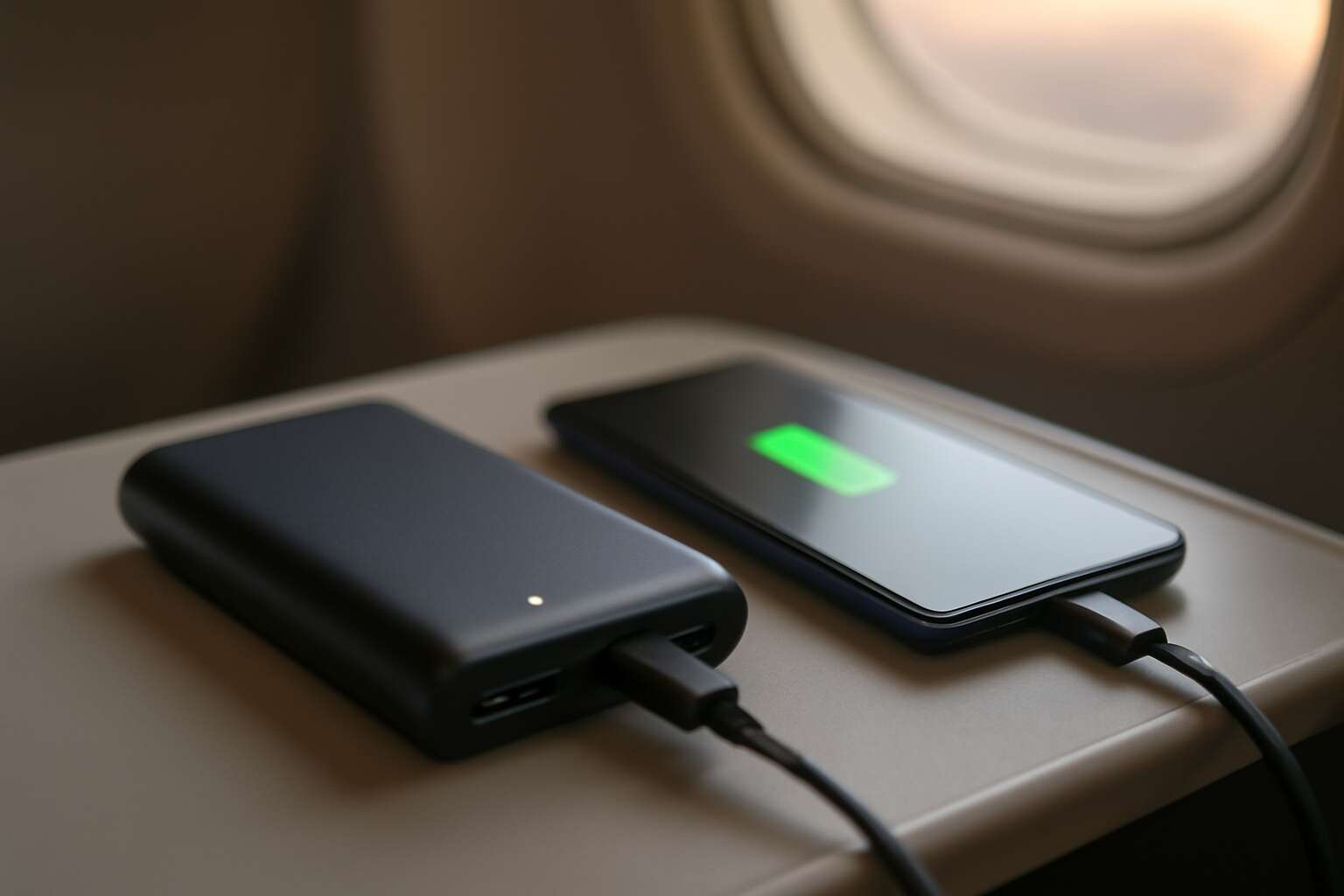
Battery travel safety and regulations for air travel
Overview of airline battery policies and regulations
On crowded flights, the cabin hum is powered by countless devices, and the phrase rechargeable batteries on plane becomes a practical reality—safety hinges on how we pack and carry them. A single mishandled power bank can derail a journey, and yet most travelers glide through with calm and curiosity, treating risk as an ethical choice rather than an obstacle.
In South Africa, SACAA aligns with ICAO guidelines, and airlines publish clear rules: spare batteries stay in carry-on, devices with installed batteries travel with you, and total watt-hours help determine what can come along. The aim is to balance convenience with safety, keeping the airways open to innovation while protecting passengers and crew.
- Spare lithium-ion batteries must be carried in carry-on baggage with exposed terminals protected
- Devices with batteries installed are usually permitted in carry-on; checked baggage is generally restricted
- Power banks and battery packs have watt-hour limits that carriers reference for safety
Understanding these policies keeps the travel story coherent, especially for readers navigating the evolving world of rechargeable batteries on plane.
Types of rechargeable batteries commonly carried on planes
Gadgets keep us powered, but the true charge on a flight comes from the batteries we carry. The idea of rechargeable batteries on plane is as practical as it is perilous: a misplaced pack can derail a trip, yet the right choices keep devices ready for takeoff. In South Africa, travelers juggle power needs with safety, balancing convenience and care.
- Power banks (lithium-ion) and their watt-hour limits
- Camera and drone batteries (removable Li-ion or LiPo)
- Built‑in laptop, tablet, and wearable batteries (Li-ion)
- Rechargeable NiMH cells such as AA/AAA
Understanding these common categories helps readers navigate aisles and airports without surprise. The travel landscape keeps evolving as tech shrinks and speeds up, and a practical ethic emerges: plan, pack with care, and heed cabin cues. Rechargeable batteries on plane become part of daily travel, not a sidebar to ignore.
How to prepare and declare batteries at check-in
Across South Africa’s hubs, more than 30% of travelers report a hiccup at check-in when batteries surface in carry-on stacks. This isn’t alarmist rhetoric—it’s a reminder that rechargeable batteries on plane are governed by a code of safety that rewards preparation and patience. The right questions, answered calmly, keep devices powered and journeys intact.
When the moment to declare arrives, clarity matters more than bravado. Expect queries about watt-hour rating, battery type, and whether a pack is spare or installed. Keep terminals protected and carry-on only, as policies favor containment. A compact checklist can ease the moment:
- watt-hour rating
- battery type
- number of batteries and devices
Ultimately, the aim is to ensure the cabin stays powered, not polarized. The etiquette of caution governs the skies—rechargeable batteries on plane move from risk to routine when handled with care!
Best practices for packing and protecting batteries during flight
Bright screens flicker above the aisle, and a sobering statistic hums through SA airports: more than a third of travellers hit a snag at check-in when a battery surfaces. This isn’t alarmism; it’s a reminder that rechargeable batteries on plane operate under a safety code that favors preparation and patience. When calm, the journey stays bright, your devices stay powered, and time spent at the counter dissolves into momentum.
Packing with poetry rather than panic, travelers can cradle safety as they pack:
- Terminals shielded with caps or insulating tape
- Carry-on only; batteries in original packaging or padded sleeves
- Spare batteries stored separately from devices with terminals protected
- Know the watt-hour rating and keep packs contained
These careful choices turn a potential hold-up into a seamless glide through the cabin, where the glow of a charged screen remains a beacon—steadfast and serene. Rechargeable batteries on plane.
Carry-on vs checked baggage guidelines for rechargeable power sources
Rules for lithium-ion and lithium-polymer batteries
Carry-on vs checked baggage guidelines for rechargeable power sources shape every South African traveller’s routine. For lithium-ion and lithium-polymer packs, security signals must be read: power off, and terminals protected to prevent shorts in busy hands.
- Carry-on allowances for batteries typically set up to 100 Wh per battery, with larger packs requiring airline approval.
- Spare batteries must travel in carry-on and be individually protected against short circuits.
- Damaged or recalled batteries are not permitted.
Applied consistently, these care cues ensure rechargeable batteries on plane flow smoothly through checks, preserving safety and calm in the cabin.
Restrictions on battery capacity (Wh and mAh) for carry-on
Across South Africa’s bustling airways, carry-on vs checked baggage guidelines shape the balance: a lighter flow for essentials, while bulkier packs drift toward oversight, turning potential friction into calm in the cabin.
When capacity becomes a numeric language, Wh takes precedence over the shorthand of mAh. A common carry-on ceiling sits near 100 Wh per battery; larger packs may require airline approval, and these thresholds guide how we think about rechargeable batteries on plane.
The watt-hour principle, though precise, remains humane—protecting travelers and crew while preserving the quiet dignity of flight. In this climate, the term rechargeable batteries on plane is not a throwaway label but a duty of careful preparation.
Spare batteries and battery-powered devices: what to know
“Power is the quiet engine of travel,” a captain once whispered, and it still hums through every device we rely on. In South Africa’s skies, carry-on vs checked baggage guidelines shape what we bring along—keeping essentials within reach, while bulkier packs drift toward oversight. I pack with a quiet reverence, trusting the rules to keep the cabin calm!
When capacity speaks in watt-hours, Wh carries more weight than mAh. A common ceiling sits near 100 Wh per battery for carry-on; larger packs typically need airline approval. This humane standard protects crew and passengers, preserving the cabin’s quiet dignity, and shapes how we discuss rechargeable batteries on plane.
To keep things clear, here’s a quick frame:
- Spare batteries belong in carry-on baggage and must be protected against short circuits.
- Only battery-powered devices travel in the cabin when powered off or prepared for safety checks.
- Terminals should be shielded (taped or in protective cases) to prevent contact.
- For packs above about 100 Wh, obtain airline approval before travel.
In the end, the balance between convenience and safety is the conductor of a smooth journey.
Impact of airline and country-specific rules on packing
Power is the quiet engine of travel, and in South Africa the carry-on vs checked baggage debate governs how we pack rechargeable batteries on plane. The common margin sits near 100 Wh for carry-on, with larger packs requiring airline approval—an understated safeguard that keeps the cabin calm while letting essentials stay within reach.
Regulators and carriers interpret the same battery landscape differently across borders. The result is a fluid packing ethos shaped by jurisdiction as much as appetite for convenience, a reminder that rechargeable batteries on plane continue to stir policy and planning.
- Carry-on emphasis around the 100 Wh threshold; airline approval for larger packs
- Country-specific enforcement and carrier policies shape what is permissible on board
Safety and storage considerations for on-board usage
Safe handling tips to minimize short circuits and overheating
On a plane, safety is a currency traded in quiet habits. A single misstep with a battery can escalate in seconds, turning a routine flight into a tense moment. For travelers and crew, the rules around rechargeable batteries on plane are not obstacles but safeguards that respect the confined reality of air travel.
Discipline in this confined space becomes a moral practice, balancing convenience and collective safety.
- Terminals covered with protective caps or in dedicated battery cases.
- Spare batteries kept in original packaging or insulated pouches to prevent short circuits.
- Bags and devices arranged to avoid contact with metal objects that could arc.
- Charging during flight is generally discouraged; devices should remain in flight mode and within approved limits.
On-board device usage scenarios powered by rechargeable batteries
Cabin safety hinges on how we manage the devices we carry, and the glow of a screen is louder than most safety briefings. In South Africa, on-board usage of rechargeable batteries on plane sits at the intersection of comfort and vigilance, with risk profiles shifting by device class and how items are stowed. A calm, informed approach keeps travelers aligned with cabin safety rather than alarms.
Consider typical scenarios:
- Personal devices used for entertainment during flight
- Crew tools and communication devices charged for in-flight operations
- Medical aids and assistive devices carried by passengers or crew
Guidelines for transporting high-drain devices (cameras, drones, power banks)
In the cabin’s quiet hum, a single charged device can be lifeline or spark. A veteran flight crew member once said, ‘Charge wisely, and the sky stays a cradle of calm.’ That wisdom rings true for rechargeable batteries on plane in South Africa, where safety threads through every carry-on choice.
Safety and storage considerations flow from device class to cabin placement. High-drain gear—cameras, drones, power banks—demand thoughtful stowage that minimizes heat, reduces terminal contact, and preserves clear access to essential alarms. The goal is to keep cabin safety briefing undisturbed while preserving in-flight readiness.
- cameras
- drones
- power banks
For these families, balance and intent guide how items are carried.
Emergency procedures in case of battery malfunction on board
In the cabin’s careful hush, storage becomes protection. When navigating the skies with rechargeable batteries on plane, heat is kept in check, terminal contact is avoided, and spare cells are housed in dedicated pouches or the device’s case. High-drain gear—cameras, drones, power banks—benefits from disciplined stowage, preserving cool air, clear access to alarms, and unobstructed safety briefing flow. Thoughtful placement reduces stray heat and preserves in-flight readiness.
Emergency procedures in case of battery malfunction on board demand calm, trained response. If swelling, heat, or smoke is observed, follow these steps:
- Power down the device and, if safe, unplug it.
- Place the battery in an approved fire-resistant containment bag and isolate it from passengers and other belongings.
- Alert cabin crew immediately and follow their instructions promptly.
- Maintain a clear space for crew to assess and contain the issue.
In South Africa, align with airline policy and local regulations, ensuring the protocol is understood by all aboard.
Which devices are prohibited to use or transport
Power is a patient traveler, and the cabin is a quiet witness to its temper. A seasoned safety voice might say: “Discipline is the quiet engine of safety.” In the realm of rechargeable batteries on plane, restraint becomes protection for all aboard.
Safety and storage considerations shape the in-flight atmosphere: heat is kept in check, terminals are shielded, and spare cells reside in dedicated pouches or the device case. The aim is calm skies, clear alarms, and a journey that honors comfort as much as caution.
- Spare lithium-ion or lithium-polymer batteries that exceed airline or device limits
- Vaping devices or e-cigarettes
- Damaged, swollen, or punctured cells
In South Africa, align with airline policy and local regulations to ensure the protocol is understood by all aboard, especially on the topic of rechargeable batteries on plane.
Choosing compliant and travel-friendly rechargeable batteries
How to assess battery specs: Wh, Ah, and protected vs unprotected designs
On board power is a delicate dance. A recent aviation survey hints travellers underestimate how battery capacity is defined, which can spark awkward conversations at security. For rechargeable batteries on plane, pick something compliant and travel-friendly—because safety and performance deserve the front-row seat.
How to assess battery specs: Wh, Ah, and the protected vs unprotected designs may sound like arcane racketeering, but they actually matter. Consider this at a glance:
- Wh sets the boundary for many airline limits
- Ah offers a simple capacity shorthand
- Protected builds reduce short‑circuit and thermal risks
As with South African travellers, keep form factor in mind and stay mindful of carry-on space; the right battery travels lighter and smarter.
Recommended battery types for frequent flyers
Across the continent, a surprising number of travellers underestimate how battery capacity is defined, and it shows up at security more often than you’d expect. When choosing gear for long journeys, the aim is simple: pick rechargeable batteries on plane that blend compliance with reliable performance and smart design.
Recommended battery types for frequent flyers lean toward sealed lithium‑ion and lithium‑polymer packs. They offer high energy density with built‑in protection, making them ideal for both devices and portable chargers.
- Lithium-ion (Li-ion) and Lithium-polymer (Li-Po) rechargeable packs
- Nickel-metal hydride (NiMH) packs as a durable alternative for rugged devices
Form factor matters: compact, protected designs travel lighter and fit neatly into carry-on spaces. For South African travellers, trusted brands and proper packing reduce risk while keeping devices ready for the journey—rechargeable batteries on plane.
Edge cases: batteries for medical devices and essential equipment
Power is the quiet passport stamp that keeps devices alive mid-journey. A recent survey shows 68% of frequent flyers feel unprepared for battery issues before boarding, underscoring the need for thoughtful choices in rechargeable batteries on plane.
Edge cases reveal that medical gear is a lifeline. For South African travellers, sealed Li‑ion or Li‑Po packs with protection are preferred, while NiMH offers rugged resilience for essential equipment.
- Policy alignment and device compatibility
- Terminal protection and carry-on safety
- Medical documentation considerations where relevant
These notes frame a responsible voyage, where the sky’s quiet hum becomes a dependable companion for every important moment.
What to look for in airline-approved packaging and labels
An eye-opening 68% of frequent flyers feel unprepared for battery issues before boarding. Choosing compliant and travel-friendly rechargeable batteries on plane starts with airline-approved packaging and clear labels. Packaging should clearly state battery type and capacity (Wh) plus safety marks that travel partners recognize. The right packaging signals a product built for flight life and reduces surprises at check-in.
- Clear battery type (Li-ion, LiPo, NiMH) and chemistry on the label
- Capacity in Wh and voltage for quick compatibility checks
- Leak-proof, shock-absorbent packaging with tamper-evident seals and manufacturer details
International standards that South African travellers rely on layer these cues, turning a potential hassle into a calm, compliant carry-on.
Practical packing checklist and resources for travelers
Pre-flight checklist for batteries and electronics
Power is a passport of its own; a single spare battery can unlock a world of convenience—until policy becomes a puzzle. In the cockpit of travel, clarity beats clever gadgetry, especially when dealing with rechargeable batteries on plane. This section offers a practical packing mindset and curated resources for travelers.
Think in compartments: carry-on readiness, labeling, and safety features. Use trusted sources to verify what counts in your region. Useful resources include:
- Official airline policy portals
- IATA safety guidelines for passengers
- South Africa-specific aviation authority pages
Pre-flight checklist for batteries and electronics isn’t a ritual; it’s a quiet pact with your devices. Gather specs, protect exposed terminals, and keep devices powered down or in airplane mode as applicable. When you respect the rules, the journey stays smooth.
Documentation and regulatory references travelers should carry
Power is the passport of modern travel—an honest hook. When it comes to rechargeable batteries on plane, policy rules the runway as surely as weather. A clear path through the fine print saves time and nerves.
Think in compartments: carry-on readiness, labeling, and safety features. Use trusted sources to verify what counts in your region.
- Official airline policy portals
- IATA safety guidelines for passengers
- South Africa-specific aviation authority pages
Documentation and regulatory references travelers should carry include airline policy pages, IATA guidelines, and SA aviation authority advisories. Keep digital copies or printed summaries with device specs such as watt-hours (Wh) and protection features, ready for inspection.
Tips for disposing or recycling batteries after travel
Power is currency on the plane, and how you steward rechargeable batteries on plane can quietly shape your entire journey. A clear, calm approach keeps security queues moving and nerves intact—no drama, just seamless transit.
- Spare batteries in carry-on with terminals insulated to prevent shorts
- Devices with built‑in batteries kept in protective cases or original packaging
- Battery specifications (Wh, Ah) noted on digital copies for quick reference
- Protective cases or sleeves to cushion terminals during handling
- Guidance on handling rechargeable batteries on plane from airline policy pages
Useful resources for travellers include official airline policy portals, IATA safety guidelines for passengers, and South Africa–specific aviation authority pages. Keeping these references handy helps you navigate region-specific nuances with confidence.
For disposal or recycling after travel, consult local e‑waste channels, retailer take‑back programs, and SA recycling facilities. Avoid general waste and align with national guidelines to ensure safe, responsible end‑of‑life handling for batteries.
Where to find up-to-date rules by airline and destination
Practical packing sensibility becomes a quiet advantage when you travel with intention. Knowing the rules for rechargeable batteries on plane can prevent last-minute scrambles through security and keep nerves calm as boarding gates close.
- Official airline policy portals for your route and destination
- IATA safety guidelines for passengers
- South Africa–specific aviation authority pages
- Local e-waste channels and retailer take-back programs
When plans shift, these references remain a compass, guiding decisions as routes change and destinations differ.
Common traveler questions and expert answers
Travel is a theater of quiet decisions, where intention writes the script of the sky. A seasoned traveler once told me, “Pack with purpose and the horizon opens.” That mindset turns a routine flight into a glide, especially when you manage rechargeable batteries on plane with care.
Here’s a compact checklist and a compass of sources to keep you current, especially when plans shift mid-journey. This is where resources and common-sense rations meet for travelers:
- Can I carry spare rechargeable batteries on plane?
- How should devices be prepared and labeled to ease screening?
- Where can I verify current rules for my specific route?
Common traveler questions and expert answers weave through the same thread: staying informed, staying safe, and staying flexible. Experts remind readers to rely on up-to-date guidance and to keep regulatory references handy as routes change and destinations differ.
Updates on evolving regulations and industry best practices
Every journey has a hinge moment. Dawn light over the Karoo suggests how 62% of travelers admit last-minute plan changes, and the difference between busy and calm is preparation. “Pack with purpose,” a seasoned traveler once told me, and the horizon seems closer when the carry-on is steady. This quiet discipline applies to rechargeable batteries on plane, handled with care as the engine hums to life.
Practical packing checklist and resources for travelers provide a steady compass as updates on evolving regulations and industry best practices shift. A compact set of references helps verify current rules for any route, turning potential confusion into a manageable vignette of travel.
For ongoing guidance, trusted sources adapt with each itinerary:
- IATA Travel Centre and aviation safety advisories
- SACAA regulatory notices and domestic travel updates
- Airline official pages and your destination’s government portals
- Local travel forums and carrier warning notices for changes




0 Comments