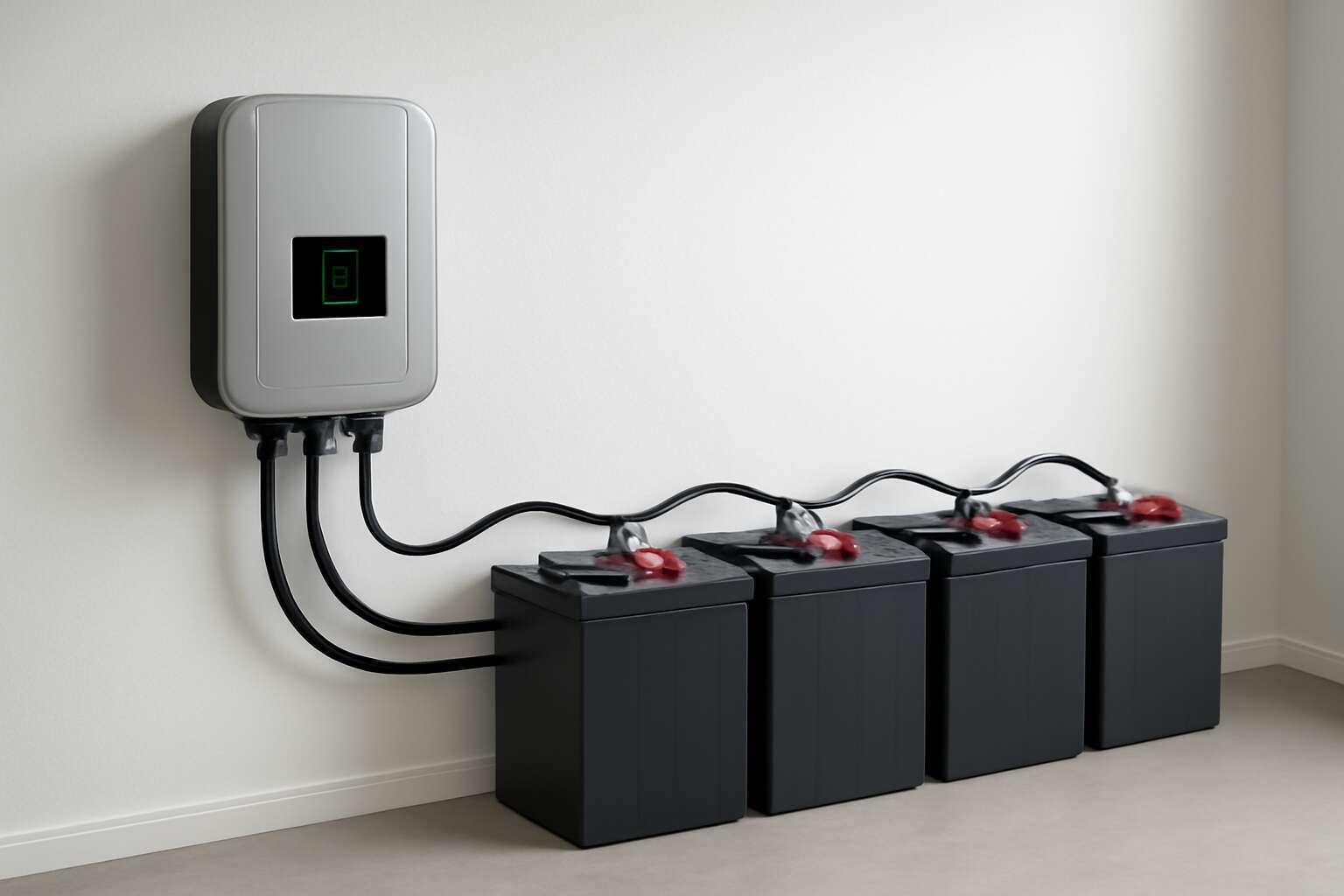
Overview of Energy Storage Systems with Battery and Inverter Technologies
What Is a Battery and Inverter System
Across South Africa, outages have become a daily soundtrack, and energy storage is stepping in as a quiet savior. Last year, residential storage installations jumped by over 30%, signaling a shift toward resilience and independence. The idea is simple: capture energy when the sun shines, store it, and deploy it when the grid fades.
An energy storage system blends advanced battery chemistry with intelligent power electronics. In practice, it uses batteries and inverters to convert DC to AC and to manage charging from solar, wind, or the grid. This pairing smooths demand, cushions outages, and keeps essential loads humming with a steady, human heartbeat.
- Battery bank stores energy for later use
- Inverter/charger converts DC to AC and handles multi-source input
- Monitoring and safety features ensure reliable operation
Within this union of chemistry and circuitry, the heartbeat of modern power sits quietly—reliable, scalable, and unmistakably South African.
Key Components of Home Energy Storage
Last year, residential storage installations jumped by over 30%, signaling a quiet revolution in South African homes. Energy storage systems blend advanced batteries and inverters with intelligent power electronics to deliver reliable power, fast fault isolation, and true resilience when the grid fades.
At its core, a home storage setup rests on three pillars: a scalable battery bank, an inverter/charger that handles multi-source input, and a smart control system that watches temperatures, state of charge, and safety alarms.
- Battery formats and chemistry options tailored to SA climates, balancing depth of discharge and lifecycle.
- Inverter capabilities that switch seamlessly between solar, grid, and backup modes to keep essentials online.
- Smart monitoring and safety features, including thermal sensors, fault detection, and remote diagnostics.
The result is a seamless rhythm—the quiet interplay of batteries and inverters powering homes with human-like reliability.
How Battery and Inverter Systems Work Together
SA’s quiet energy revolution has a plot twist: residential storage installations jumped more than 30% last year. In that momentum, households unlock a reliable power narrative that doesn’t shout—just hums in the background. At the heart of this shift lies batteries and inverters doing a careful dance of energy capture and delivery.
In practice, energy storage stores DC energy in the battery bank and uses the inverter to produce AC power for lights, outlets, and microcoolers. A smart control system orchestrates charging from solar or the grid, tracks temperature and state of charge, and alerts operators to any fault or safety threshold.
For South African homes, the result is a dependable rhythm—energy stored when sun shines, released when it doesn’t, with remote diagnostics watching health and performance. The collaboration of efficient chemistry and precise power electronics keeps essentials online, even as weather and outages pull the rug from the grid.
Common Battery Types Used in Inverter Systems
Power resilience is becoming ordinary in SA; residential storage capacity grew by more than 30% last year, quietly strengthening homes. Energy storage blends robust batteries with smart inverters, delivering steady AC power for daily life.
At the core, a battery bank stores energy as DC and the inverter converts it to AC, synced to the grid or a microgrid. A smart controller watches temperature and state of charge, coordinating charging from sun or the grid. The pairing of batteries and inverters delivers a smooth, reliable energy flow.
Common battery types used in inverter systems include:
- Lead-acid: robust, affordable entry-level option
- Lithium iron phosphate (LiFePO4): longer life, high cycle count
- Lithium nickel manganese cobalt oxide (NMC): high energy density for compact setups
These chemistries, paired with precise power electronics, keep essentials online through outages and shifting weather.
Choosing the Right Batteries for Inverter Systems
Battery Chemistry Types (Li-ion, Lead-Acid, and Other Options)
Power reliability matters more when Eskom’s outages ripple through South African homes. The right batteries and inverters are not just equipment; they are a quiet pact with daily life. When choosing battery chemistry types—Li-ion, lead-acid, and other options—you weigh energy density, cycle life, and cost against your climate and usage.
- Li-ion families maximize energy density and long cycle life, ideal for compact spaces.
- Lead-acid options stay cost-efficient upfront and are familiar to many installers, though heavier and shorter-lived.
- Other options such as LiFePO4, flow batteries, or saltwater varieties offer longevity in hot climates but can require specialized support.
In South Africa, where heat can stress batteries, selecting the chemistry that tolerates higher temperatures matters. Safety, risk of failure, and maintenance cadence shape the total cost of ownership for your home energy setup, tying the fate of your household to the careful pairing of storage units and conversion equipment.
Capacity Sizing and System Requirements
Outages are a daily reality in SA, and a long blackout can turn a fridge into a warm shelf. Choosing the right batteries and inverters is not a cosmetic choice—it’s a backbone for your daily life. Capacity sizing and system requirements shape how quietly your home runs when the grid stumbles.
Size your storage around daily energy use and the outages you’re prepared to endure. In practice, this means considering peak loads, inverter capacity, and how heat shifts performance. A well-matched pairing minimizes cycling and preserves longer life.
Consider these factors at a glance:
- Daily energy profile and variation
- Inverter rating vs peak demand
- Temperature, ventilation and humidity impact
- Depth of discharge and warranty terms
In South Africa’s heat, system requirements must account for heat tolerance, safety standards, and service access, ensuring the storage paired with conversion equipment stays reliable year after year.
Depth of Discharge and Cycle Life
Power resilience comes down to a quiet truth: in South Africa, the grid may disappear, but the day keeps going. A well-paired set of batteries and inverters can keep essentials alive with grace, turning a blackout into a manageable inconvenience.
Depth of discharge and cycle life shape how long that quiet endurance lasts. Deeper DoD delivers more usable energy per cycle, but each deep discharge wears the cells faster. A balance preserves life, curbing heat and staving off premature aging.
- Usable energy versus lifespan balance
- Heat, ventilation and cycling effects
- Warranty terms and cycle ratings
Choose systems that harmonize DoD targets with your daily rhythm; the right match keeps the magic of reliability intact across seasons. With batteries and inverters, longevity meets performance in a single, steady breath.
Brand, Warranty, and Safety Certifications
Power choreography happens behind the scenes—batteries and inverters keeping lights in step when the grid falters. In a nation where outages drift into daily life, the right brand becomes a quiet shield. Batteries and inverters: a promise kept in the dark, a rhythm you can trust.
When choosing, look for brands with a robust local footprint, proven cycle performance, and a transparent warranty that covers both capacity and safety. Certifications aren’t decorative; they spell reliability for your South African home.
- Brand reputation and service network in SA
- Warranty terms and cycle coverage for your usage profile
- Safety certifications (SABS, IEC/UL marks) and compliance
Pair this with clear documentation on installation and compatibility, and you can glide through load shedding with grace—the day goes on, powered by careful choice. With batteries and inverters chosen wisely, you hold a steadier future.
Selecting Inverters for Power Backup and Off Grid
Inverter Types: Pure Sine Wave vs Modified Sine Wave
Power is the bedrock of modern life, and in South Africa outages have become a familiar backdrop. As the saying goes, ‘Power isn’t a luxury; it’s a necessity!’ From my experience, smart selections of batteries and inverters keep essential loads alive when the grid falters.
Two common off-grid inverter types compete for attention: Pure Sine Wave and Modified Sine Wave. The choice shapes all downstream equipment, from fridges to chargers. Here are the core contrasts:
- Pure Sine Wave: clean, stable power for sensitive electronics, higher upfront cost; longer equipment life.
- Modified Sine Wave: cheaper and robust for basic loads, but not ideal for motors or precision electronics.
South African households often balance upfront cost against resilience, choosing an inverter type that fits daily life and expansion. The aim is steady power for homes and businesses, powered by a system attuned to local conditions.
Inverter Rating, Surge, and Efficiency
“Power isn’t a luxury; it’s a necessity!” In South Africa, outages press on every home, and the right inverter rating keeps essentials alive. When paired with reliable batteries and inverters, your system stays ready for the next outage.
Selecting an inverter for backup and off-grid use hinges on surge, continuous rating, and efficiency. Align these with your loads, and consider:
- Surge vs continuous power (starting vs running watts)
- Efficiency across load levels
- Voltage compatibility and waveform with sensitive gear
In South Africa, the right balance keeps pumps, routers, and other essentials upright during outages, without wasteful draw or heat. A careful rating choice makes batteries and inverters resilient to daily life and growth.
Grid-Tied vs Standalone and Hybrid Inverters
South Africa’s outage cadence feels like a never-ending encore, and the right inverter setup is the headliner. A smart pairing of batteries and inverters keeps essential gear alive when the lights fall out, turning chaos into continuity. You’ll power pumps, routers, and your Wi-Fi fortress without drama, because steady watts beat dramatic sparks every single time.
Three pathways dominate the field:
- Grid-Tied: feeds excess power back to the grid and leans on utility stability (think daytime solar spillover).
- Standalone: islanded operation that keeps critical loads alive without grid dependency.
- Hybrid: a pragmatic kiss between the grid and batteries, keeping you topped up when the mains stumble.
Whichever path you chart, matching device ratings to real load profiles ensures safety, efficiency, and quiet operation—no drama, just dependable energy.
Considerations for Hybrid Inverter Solutions
South Africa’s outages push households to stretch every watt. When choosing inverters for power backup, size matters more than flair. A well-matched mix of batteries and inverters powers essential gear when the grid stumbles, keeping pumps, routers, and Wi-Fi alive. Pairing the components should feel seamless, not guesswork.
- Load compatibility and peak demand
- Battery chemistry and charge rates
- Thermal management and ventilation
- Warranty, service, and local support
Off Grid Considerations for Hybrid Inverter Solutions require looking beyond peak power. The hybrid approach acts as a bridge between mains and stored energy, smoothing transitions when the lights dip. Check for MPPT charging, overall efficiency, and long-term heat management. The right setup turns chaos into continuity, quietly and reliably.
Installation and System Design Best Practices
Wiring, Cable Sizing, and Safety
Power outages are the quiet risk most homes ignore until it arrives—then the lights bear witness. In the world of batteries and inverters, installation is more than a box on the wall; it’s a choreography of safety, efficiency, and future-proofing. For South Africa, reliability isn’t optional—it’s essential, a promise you make with every cable run and connection.
Installation and system design hinge on clean wiring, measured cable sizing, and safety. Engineers map routes that minimize resistance and heat, while keeping DC and AC paths separate for quieter operation, all in line with local standards like SANS 10142.
- Cable sizing based on current and distance
- Proper protection and fusing
- Safe routing and ventilation
Beyond the hardware, enclosure, ventilation, and labeling matter as much as the components themselves. When done well, the system behaves like a careful guardian—silent, efficient, and ready when the grid falters.
Battery Placement and Ventilation
Power outages don’t shout; they creep in—and a well-placed battery bank does the talking. In the world of batteries and inverters, placement is a safety measure as much as a performance choice. I’ve learned that rooms with poor ventilation turn heat into resistance, aging components faster and dulling efficiency. Think of placement as the architectural spine: keep units off the floor, away from direct sun, and within reach of service panels, while respecting local standards.
Key considerations include the following.
- Location: a dry, well-ventilated area with clear access for inspection and emergency shutoffs
- Clearance: maintain air around units and separate DC and AC paths to minimize heat buildup
- Enclosure and labeling: sturdy rack, fire-safety labeling, and non-corrosive materials
Aligning placement and ventilation with local norms keeps the system quiet, safe, and durable—qualities we prize in every South African home where batteries and inverters shoulder the night.
System Sizing, Layout, and Compliance
Installation and system design in the world of batteries and inverters hinge on future-ready thinking! Size, layout, and regulatory alignment aren’t afterthoughts but quiet forces that keep a home resilient when outages loom. System sizing should reflect real-world load patterns and potential growth, while layout prioritizes clean cable runs, accessible service points, and robust ventilation. Compliance weaves local norms into every connection, turning a setup into a durable, code-respecting install.
- System sizing aligned with load profile and potential expansion
- Layout design that minimizes heat buildup and keeps pathways clear for maintenance
- Compliance with South African standards and local electrical codes
When these elements harmonize, the installation quietly supports persistent performance through the night, marrying safety with efficiency in every home environment.
Protection, Monitoring, and Maintenance Plan
Outages have become the background hum of South African life, and a protection, monitoring, and maintenance plan is the right soundtrack for batteries and inverters. A trusted engineer quipped, “If you can’t monitor it, you can’t trust it.” That mindset guides installs.
Protection means more than fuses and breakers; it means isolation, proper venting, and thermal safeguards that respect battery chemistry. Good practice places devices so a fault doesn’t cascade, keeps service points accessible, and aligns with local codes.
Monitoring ties performance to reality. Remote telemetry, state-of-charge dashboards, and alarms catch drift before it becomes a drama. Core checks can be summarized to a quick list:
- Protection health, including isolation tests
- Telemetric visibility and alerting
- Lifecycle tracking and warranty awareness
A maintenance plan stitches the pieces together with documentation, warranty compliance, and scheduled audits—ensuring the system remains ready for the next outage night and the next sunrise.
Maintenance, Monitoring, and Lifecycle Management
Monitoring Systems and Remote Access
Power is more than electricity; it is a quiet promise kept at the edge of night. In South Africa, where load shedding has become a shared reality, homes lean into resilience. The right approach to monitoring and remote access can cut on-site maintenance visits by up to 40%, turning maintenance from a routine drill into a poised, daily rhythm for batteries and inverters!
Maintenance becomes a living conversation between observer and machine, and monitoring systems with remote access amplify the dialogue with clarity. Here are features that define resilient batteries and inverters ecosystems:
- Remote diagnostics and alerts that flag anomalies early
- Cloud dashboards accessible from mobile devices for real-time visibility
- Secure remote access and over-the-air firmware updates
Lifecycle management unfolds as a map drawn from data: when to refurbish, reconfigure, or replace components. With continuous insight, batteries and inverters remain reliable, efficient, and ready for the next chapter.
Maintenance Tips to Extend Battery Life
Across South Africa, remote monitoring can cut on-site maintenance visits by up to 40%, turning the night into a disciplined vigil. In the hush between dusk and dawn, batteries and inverters learn to listen. Maintenance becomes a living conversation, a quiet ritual where data whispers when a cell loosens its grip and the heart of the system settles into balance.
Maintenance tips to extend life unfold as a dialogue. Consider these guiding thoughts:
- Regular health checks and trend analysis to flag anomalies early.
- Cloud dashboards accessible from mobile devices for real-time visibility.
- Secure remote access and over-the-air firmware updates to keep systems current.
Lifecycle management emerges as a map drawn from data, guiding refurbishment, reconfiguration, or replacement of components in due time. With continuous insight, batteries and inverters endure, reliable and ready for the next chapter.
Troubleshooting Common Issues
South Africa’s power quirks have trained us to listen to our batteries and inverters as if they were conductors of a stubborn orchestra. Remote monitoring can cut on-site visits by up to 40%, turning outages into a disciplined feedback loop. “If the system talks, you should listen,” says a veteran technician. Maintenance, Monitoring, and Lifecycle Management form a three-part dialogue that makes trouble manageable rather than a cliff-edge surprise.
Maintenance shows up as careful listening: spot voltage drift, temperature quirks, or cell imbalances before they bloom. Monitoring turns whispers into dashboards you can read on a phone. Lifecycle management uses those trends to decide refurbishment, reconfiguration, or replacement when the time is right.
- Abnormal voltage or temperature spikes indicating health issues
- Firmware or remote access status drift that could leave configurations stale
- Signs of aging seals, venting, or unusual odors hinting at safety risks
End of Life, Recycling, and Disposal
Maintenance is the quiet habit of listening, but it’s only part of a bigger conversation with your batteries and inverters. Monitoring turns that listening into dashboards that flag trends before they turn into outages. Lifecycle management uses those patterns to decide refurbishment, reconfiguration, or replacement when the time is right, keeping the system practical rather than precarious. In South Africa, where outages are a fact of life, this three-part dialogue helps keep resilience intact without surprises!
End-of-life decisions go beyond the last charge. The following points shape responsible outcomes:
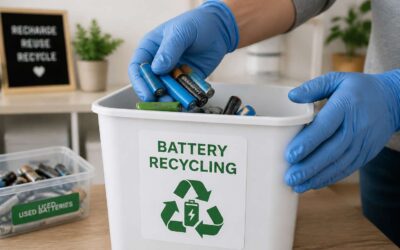
- Take-back programs and certified recyclers ensure responsible end-of-life management
- Safety considerations and transport rules for aging packs
- Clear records and compliance with local disposal regulations
Across the lifecycle, the goal is to minimize waste while preserving safety and reliability for homes powered by batteries and inverters. Responsible disposal and recycling processes support a resilient grid and a cleaner environment.


0 Comments