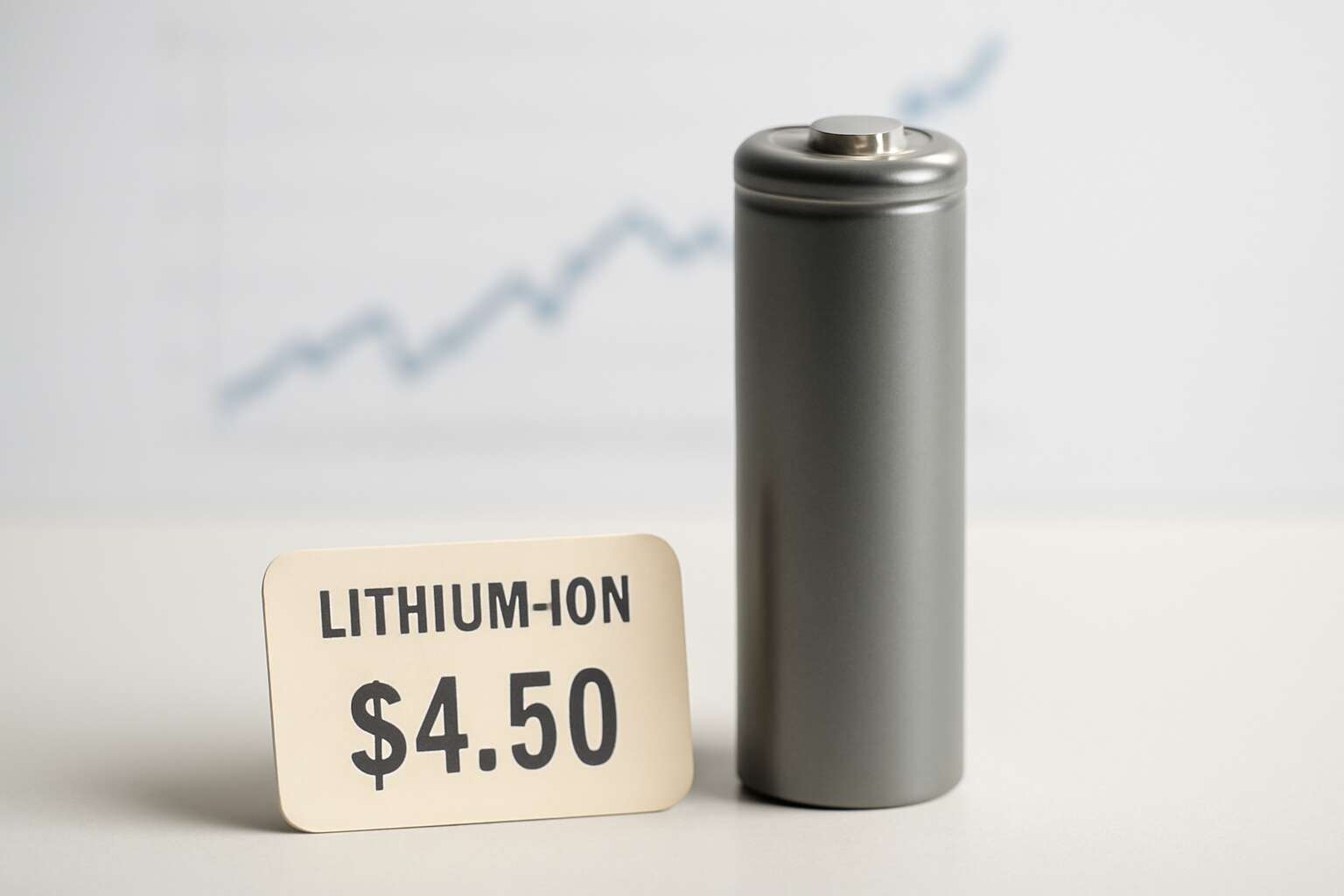
Lithium Battery Pricing Landscape
Section 1 – Pricing fundamentals for lithium battery cells
South Africa’s sun-washed grids and growing EV chatter have turned lithium battery pricing into a daily conversation. “Prices move with policy, not just chemistry,” notes a local analyst, and the line captures the pendulum-like volatility that buyers learn to budget for.
Several levers shape the sticker price on cells:
- Raw material costs (lithium, nickel, cobalt, graphite)
- Cell chemistry and energy density
- Manufacturing yield and automation
- Scale economies from larger plants
- Logistics, currency swings, and policy shifts
For South African buyers, shifts in the market show up through import costs, local incentives, and supplier terms. Tracking the wider picture—global pricing cycles and domestic factors—helps interpret the broader prices of lithium batteries.
Section 1 – Historical price trends and volatility
The prices of lithium batteries have swung like a hyperactive trampoline since the global rush into EVs and big-grid storage. A telling stat: battery-pack costs fell roughly 90% from 2010 to 2020, turning what used to be a premium feature into a mass-market necessity. Yet the ride hasn’t cooled—monthly price signals jump with policy twists, mining headlines, and the occasional supplier surprise. It’s less about chemistry and more about the roller-coaster of demand, supply, and sentiment.
- Commodity cycles in lithium, nickel, and cobalt that push material costs around
- Policy actions, tariffs, and export controls that reshape available supply
- Logistics snarls and currency swings that tilt landed prices
For South Africa, that volatility translates into import costs, rand wobble, and shifting supplier terms—readable, yes, but nerve-wracking for budgets and procurement calendars.
Section 1 – Today’s pricing ranges by cell format and capacity
Pricing today follows a curious geometry: a tight band for standard cells, yet divergent paths by format and capacity. Today’s prices of lithium batteries reflect not just chemistry but the tug-of-war between supply, demand, and policy twists. A single factory outage or new export rule can tilt the numbers for weeks, leaving procurement teams reading the market like a suspenseful map.
By cell format and capacity, the spread is real and visible. The landscape now looks like this:
- 18650 cylindrical: compact, budget-friendly per-cell pricing
- 21700 cylindrical: higher energy density, noticeable premium
- Pouch cells: flexible, often commanding premium in high-drain applications
- Prismatic: dense, application-specific pricing
In South Africa, landed costs ride on rand moves and import terms, so numbers bounce between the global signal and local dynamics.
Section 2 – Price differences by chemistry and form factor
Global price swings have rattled buyers by roughly 12% month over month, and in South Africa the rand adds another layer of volatility. The prices of lithium batteries reflect not just chemistry but the tug-of-war between supply, demand, and policy twists.
By chemistry and form factor, the gaps show up in density, safety needs, and packaging costs. Nickel-rich chemistries fetch premiums when supply tightens; iron-phosphate variants stay comparatively stable. Form factor matters, too—packaging, yields, and protection shape per-cell pricing for different applications. That mix is cutting through the numbers!
- Chemistry drivers: nickel-rich versus iron-phosphate price dynamics
- Form factor drivers: density, packaging, and manufacturing yield
In South Africa, those dynamics are further colored by import terms and rand movements.
Section 2 – Cost drivers: materials, manufacturing, labor
Prices of lithium batteries move in lockstep with global supply chains—sometimes a 12% swing each month—yet the real story lies in three cost levers: materials, manufacturing, and labor. These are the quiet gears that translate raw ore and energy into a price tag you can trust or question.
- Materials: precursor costs, battery-grade metals like nickel, lithium, cobalt, and safety components.
- Manufacturing: processing complexity, automation, yield losses, and energy use.
- Labor: skilled technicians, wages, training, and productivity.
These cost drivers explain why the same chemistry can carry different prices across markets and why procurement choices matter.
In South Africa, rand swings and import terms twist landed costs, reshaping the price landscape for lithium batteries.
Section 2 – Regional price variations and market dynamics
That 12% monthly swing isn’t a rumor; it’s the market’s heartbeat when prices of lithium batteries rise and retreat with the tides of global supply chains. I’ve watched deals bend to that rhythm, and in South Africa rand movements and import terms amplify the pulse, turning a global trend into a local journey.
Regional price variations and market dynamics tilt the lens toward currency, policy, and energy costs. In South Africa, rand volatility and landed-cost terms influence what buyers actually pay for lithium battery assets. Consider these drivers:
- Currency fluctuations and import terms
- Local energy prices and grid reliability
- Transport routes and supplier networks
By tuning into these signals, buyers can better compare prices of lithium batteries and align procurement with regional realities—without losing sight of quality and performance.
Section 3 – How macroeconomics affects prices: raw materials, currency, tariffs
Over the past year, the prices of lithium batteries have felt the tremor of macro forces, with raw-material costs flipping through double-digit swings and a rand that refuses to sit still. That volatility lands squarely on procurement forecasts and project finance, turning a stable budget into a rolling ledger!
Three macro levers define the trajectory:
- Raw-material sourcing and price volatility for lithium, cobalt, nickel
- Currency shifts, hedging costs, and import financing terms
- Tariffs, duties, and trade policy shaping landed prices
In South Africa, rand movements and import terms further color the math, while local energy costs and logistics add friction or relief to the final tally. The result is a dynamic pricing landscape where macroeconomics and supply-chain rhythm collide in a single market story.
Section 3 – Supply chain disruptions and price spikes
Supply chain disruptions have learned to dance to the same samba as lithium. A single port delay, a hiccup in container availability, or a spike in freight fuel can push landed costs higher in days, not months. In South Africa, rand swings and import terms amplify these jolts, while local energy costs add friction or relief depending on the week. The result is a choppy pricing weather that keeps procurement teams on their toes!
- Backlogs at major hubs drive longer lead times and more inventory risk
- Freight-rate volatility and surcharges that compound the bill
- Limited container availability and inland transport bottlenecks
All of this colors the prices of lithium batteries in the SA market, shaping bids, forecasts, and the bravado with which projects are funded. With fresh supply surprises and currency quirks, the pathway from supplier to shelf stays a roller-coaster, even for familiar cell formats.
Section 3 – Demand drivers: EVs, grid storage, consumer electronics
A striking pulse runs through the market: electric vehicles, grid storage, and the devices we rely on are feeding demand like a midnight furnace. In South Africa, the appetite moves pricing with a shadowy rhythm, and procurement teams watch ledgers swing in real time. The market hums with a truth: prices of lithium batteries rise and fall with the tempo of demand, more than any single material.
Here are the demand engines at work:
- Electric vehicles accelerating fleet turnover
- Grid-scale storage enabling renewables and resilience
- Consumer electronics keeping the daily pulse alive
As I monitor the SA landscape, the rhythm of demand nudges pricing forecasts, even as margins and tender prices seek their own eerie equilibrium. The trio of EVs, storage, and devices keeps the market awake at night and pushes suppliers to price with both caution and audacity.
Section 4 – Forecasts and pricing models
Forecasts for prices of lithium batteries ride on a cocktail of demand signals, currency swings, and policy twists. In SA, forward curves have swung more than 15% year-to-date, a reminder that timing matters as much as chemistry.
Pricing models span time-series projections, scenario analysis, and real options—tools that bend with tender cycles and volume commitments, not just the latest cell chemistry.
- Time-series forecasts and forward curves
- Scenario planning for supply shocks and demand surges
- Real options and hedging for long-term contracts
For SA procurement teams, local currency risk, import duties, and policy signals tilt the forecast. Read the curve, don’t chase it, and let models reveal where pricing pressures land.
Section 4 – Pricing benchmarks and supplier negotiation strategies
Pricing benchmarks in Section 4 reshape how procurement teams think about value. In SA, price signals move with tender cycles, policy twists, and currency swings; forward curves can shift by double digits in a single quarter, reminding buyers that timing matters as much as chemistry. It’s a tight market!
Negotiation strategies hinge on anchoring benchmarks, demand forecasts, and risk-sharing clauses. The prices of lithium batteries are shaped by volume commitments, payment terms, and source diversification.
- Regional price curve benchmarking
- Flexible volume and term structures
- Clear pass-through of raw material shifts
In this landscape, procurement teams read the curve and align supplier incentives with long-horizon needs, rather than chasing price spikes.
Section 4 – How to compare quotes and evaluate total cost of ownership
South Africa’s lithium pricing dance swings with tender cycles, policy twists, and currency swings—price signals can jump by double digits in a single quarter. The prices of lithium batteries act as a moving map, but the true value hovers in the total cost of ownership—durability, warranty, and energy throughput powering fleets, mines, and grid storage across the country.
- Upfront unit price versus projected energy delivered over the expected lifecycle
- Degradation, maintenance, and warranty costs that define long-term value
- Payment terms, volume flexibility, and diverse supply sources to reduce risk
Stitching these insights into quotes helps procurement teams align with long-horizon needs rather than chase quarter-to-quarter spikes.



0 Comments