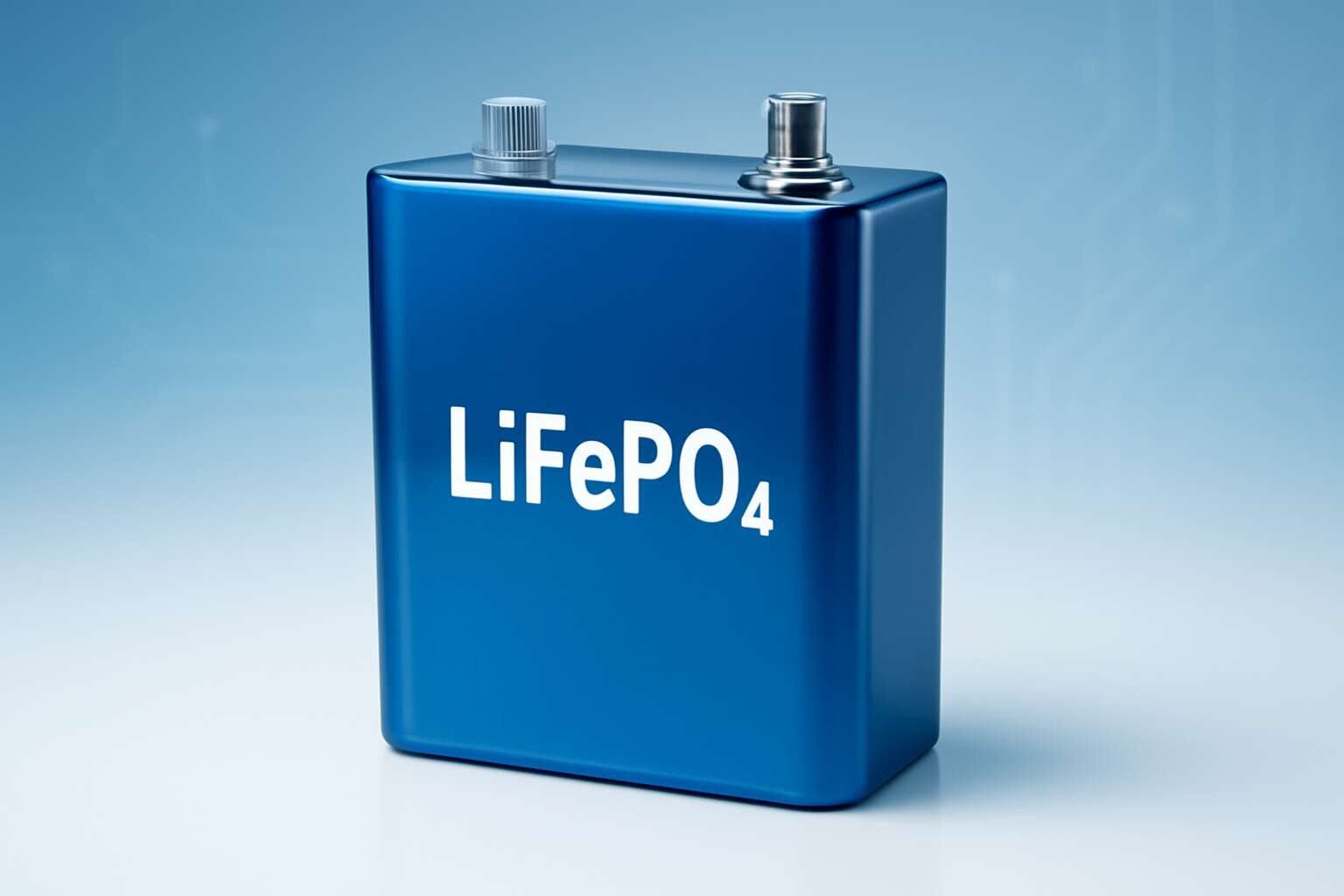
LiFePO4 technology overview
Chemical composition and crystal structure
Redefining safe storage, lithium iron phosphate batteries stand as a quiet fortress, their cycle life often surpassing 2,000 deep discharges with dependable performance. In this resilient chemistry, an olivine lattice keeps heat at bay, delivering stability for homes, businesses, and solar grids under South Africa’s bright sun.
At heart is LiFePO4, a compound where lithium ions weave through a phosphate framework. The crystal structure is olivine-like and orthorhombic, with phosphate groups linking iron in FeO6 octahedra to form a sturdy lattice. Li+ diffuses along defined channels, enabling calm, steady charge and discharge. This diffusion yields a calm, predictable response under varying loads.
- Olivine-structured lattice supports stable Li+ diffusion
- Phosphate-based framework with strong P–O bonds
- Fe2+/Fe3+ redox couple drives energy with safety
For South Africa, this chemistry blends safety with practicality, a natural fit for rooftop solar, microgrids, and disciplined energy storage across climates. lithium iron phosphate batteries offer a dependable balance of performance and sustainability for the nation’s energy future.
Core battery chemistry and operating mechanism
Rooftop solar with storage is becoming standard across South Africa, and the trend shows no sign of slowing! Storage capacity in SA is projected to double in the next few years, turning reliable power into a practical reality.
In lithium iron phosphate batteries, the core chemistry centers on a stable phosphate framework. During charging and discharging, lithium ions traverse defined channels while the iron redox couple maintains a safe, predictable voltage window—delivering energy with resilience. I’ve seen this chemistry deliver reliable energy even on overcast days.
- Calm response under shifting loads
- Long cycle life and robust safety margin
- Excellent thermal stability for hot climates
For South Africa, this technology offers a practical balance of performance and sustainability for rooftop solar, microgrids, and disciplined energy storage across climates.
Key properties and performance characteristics
Across South Africa, rooftop solar paired with storage is reshaping households and microgrids, and the payoff is real: storage-enabled systems cut electricity bills by up to 40% in many deployments!
Lithium iron phosphate batteries offer a resilient energy store with a stable voltage window, excellent thermal stability, and a long cycle life. They perform reliably in the SA climate, from searing heat to chilly nights, delivering dependable power when it’s most needed.
Key performance characteristics include:
- Long cycle life—thousands of cycles
- Strong thermal stability and safety margins
- Low self-discharge and high round-trip efficiency
- Consistent performance across temperatures
For South Africa, lithium iron phosphate batteries strike a practical balance of reliability and sustainability for rooftop solar, microgrids, and disciplined energy storage across climates.
Common misconceptions about LiFePO4 chemistry
South Africa’s solar scene is changing fast: rooftop PV paired with storage is becoming a civic habit, and bills are dropping—some deployments report savings up to 40%. It’s a signal that batteries have moved from niche tech to everyday resilience.
At the heart of this shift are lithium iron phosphate batteries. They offer a stable voltage window, strong thermal stability, and a long life, making them a dependable store for SA climates, from blistering afternoons to cool nights.
Common misconceptions about LiFePO4 chemistry.
- Myth: they overheat and are unsafe in SA heat.
- Myth: they have little energy density compared with other Li-ion chemistries.
- Myth: they require exotic chargers or bespoke equipment.
Reality is different: these batteries combine safety margins with thousands of cycles and wide operating temperatures, delivering reliable power when it matters.
Safety and performance comparison with other chemistries
Safety profile and thermal stability
Safety isn’t a luxury; it’s the engine behind every design. In my experience, “Safety is the engine of great design,” observes an industry veteran. For lithium iron phosphate batteries, the phosphate backbone delivers remarkable thermal stability, resisting the heat-driven phase changes that confront cobalt- and nickel-rich chemistries. They tolerate high temperatures and wide states of charge with gentler chemistry, reducing the likelihood of runaway and dangerous gas evolution. In practical terms, this means steadier performance in South Africa’s sun-drenched, heat-prone environments.
- Intrinsic stability minimizes risk of thermal runaway
- Robust performance in hot climates and high-current charging
- Long cycle life lowers total cost of ownership
Compared with other chemistries, lithium iron phosphate batteries offer a safer, more resilient profile for homes, businesses, and microgrids across South Africa—where reliability and quiet power matter most.
Energy density and weight considerations
Safety is the engine that keeps power dependable, and lithium iron phosphate batteries embody that truth. They trade energy density for rock-solid stability, resisting the heat-driven troubles other chemistries face. Intrinsic stability minimizes thermal runaway risk, so homes and microgrids stay quiet even under SA’s blistering sun. In practical terms, this means steadier charge acceptance and predictable performance when heat spikes.
Energy density and weight considerations shape system design. While energy density is lower than many alternatives, the safety margin, long life, and forgiving chemistry can reduce cooling needs and maintenance. In South Africa’s climate, the payoff is a calmer, more reliable footprint per kilowatt-hour. The bottom line is dependable power that doesn’t demand drama to stay alive.
- Lower energy density vs cobalt-based chemistries.
- Strong thermal stability aids hot-climate operation.
- Long cycle life lowers replacement costs.
Cycling life and degradation patterns
Across a market full of flashy chemistries, safety is the quiet engine that keeps power predictable. When set against cobalt-based Li-ion rivals, lithium iron phosphate batteries offer steadier behavior under heat and a forgiving discharge curve—benefits that matter in South Africa’s sun-drenched climates. The outcome is fewer hot surprises and more consistent performance as the days grow long and the load climbs!
Cycling life and degradation patterns reveal the big difference. This chemistry ages gracefully, with slow capacity fade across thousands of cycles and resilience to partial-state charging. Here’s a snapshot:
- Lower risk of thermal runaway under high temperatures
- Long cycle life with stable capacity maintenance
- Calendar aging can dominate when exposed to heat for extended periods
Compared with cobalt and nickel-rich chemistries, maintenance footprint is gentler, and heat tolerance translates to calmer, more reliable systems for homes and microgrids. In SA’s climate, that stability is a practical advantage.
Cost, supply, and lifecycle economics
South Africa endures dozens of days of load shedding each year, and in the quiet between outages, reliability becomes a lifeline. With lithium iron phosphate batteries powering homes and farms, steadiness isn’t just a promise—it’s the daily heartbeat that keeps lights on and pumps running!
Compared with cobalt- and nickel-rich chemistries, lithium iron phosphate batteries offer a safer, cooler temperament and a steadier discharge. In our sun-burnished climate, that predictability matters as much as energy, reducing the need for heavy cooling and guarding against capacity drops.
Cost, supply, and lifecycle economics are where the rubber meets the road:
- Lower total cost of ownership over time due to longer cycle life
- More resilient supply chains, with less dependence on cobalt or nickel
- Lower cooling and safety-system costs thanks to inherent stability
Around farms, clinics, and towns, I see these batteries quietly anchor daily life, turning bright mornings into steady, confident power!
Applications and market segments
Residential energy storage systems and home backup
Power security is rewriting daily life in South Africa, where outages grip one in four households weekly. For residential energy storage systems and home backup, lithium iron phosphate batteries provide a steady, dependable heartbeat that keeps essential appliances running when the grid stumbles and the night grows quiet.
Market segments span urban houses seeking reliability and rural properties embracing off-grid living. The technology also suits small-scale community grids, vacation homes, and apartment blocks exploring energy resilience.
- Residential energy storage systems for homes and apartments
- Home backup during outages and peak-demand periods
- Off-grid retreats and remote properties
Across these sectors, modular design, safety, and long cycle life translate into reliable, scalable choices for South African households.
Electric vehicles and portable mobility solutions
South Africa’s grid-flicker rhythm has forged a new faith: mobility guided by dependable energy storage. These solutions rely on lithium iron phosphate batteries, offering a calm heartbeat for electric vehicles and portable mobility solutions, delivering safe, steady power when the road stretches into shadow. From city commutes to off-grid errands, these cells keep wheels turning and lights bright as night deepens.
- Electric vehicles for urban corridors and suburban fleets
- Lightweight e-bikes, scooters, and last-mile delivery micro-mobility
- Portable packs for remote worksites, pop-up events, and disaster resilience
Markets span consumer cars, rental fleets, and small-scale urban logistics, where modular packs scale with demand and harsh climates test endurance. The technology pairs well with solar charging and smart energy management, ensuring mobility remains unfettered even when the grid sleeps.
Industrial, grid storage, and commercial applications
Across South Africa’s industrial heartland, uptime climbs by 23% when back-up power runs on lithium iron phosphate batteries. In the realm of heavy industry and commercial services, these cells deliver calm power—stable, safe, and ready for duty—across operations that cannot afford a stall in production!
- Industrial facilities and manufacturing plants seeking reliable outages protection and long service life
- Grid storage projects and microgrids for mining towns, campuses, and communities
- Commercial applications such as retail centers, office campuses, hospitality venues, and last-mile logistics hubs
Modular packs scale with demand, and this technology pairs with solar charging for commercial and industrial customers, keeping peak loads in check and resilience steady with lithium iron phosphate batteries.
Off-grid and remote area deployments
Power that endures travels beyond the city belt into South Africa’s sun-burnished frontiers, where off-grid and remote-area needs shape a different kind of ambition. lithium iron phosphate batteries stand as steady partners for clinics in isolated plains, borehole pumps that keep water flowing, and rural ventures that demand reliable energy without a grid tether. They perform reliably in varied temperatures and offer a safety-first design, with modular growth that meets demand without compromising grace.
In practice, off-grid deployments hinge on durable, scalable energy storage that stands up to long cycles and rugged climates:
- Mining towns and remote campuses relying on microgrids
- Rural clinics, water pumping stations, and agricultural facilities
- Telecommunications relays and other critical infrastructure in isolated regions
When paired with solar charging, this architecture keeps peak loads predictable and resilience steady, turning distant horizons into reliable power that supports daily life and commerce alike.
Charging practices, thermal management, and maintenance
Charging strategies and charging rate guidelines
Across field deployments, lithium iron phosphate batteries shrug off daily charging, enduring well over 2,000 full cycles. Here in South Africa, rooftop solar and rural microgrids lean on this resilience to keep lights bright after dusk. The chemistry turns power management into a quiet, ancient art.
Charging practices and rate guidelines favor gentle inputs and stable temperatures. A smart BMS coordinates energy flow, while cells stay balanced.
- Choose chargers with compatible voltage windows.
- Keep ambient and battery temperatures within a safe range.
- Let the smart BMS monitor balance and health.
Thermal management matters for safety and longevity. Provide airflow, avoid hot spots, and perform regular maintenance checks on connectors and enclosures. I imagine a guardian keeping watch over a forge—heat managed, power stable, and the magic uninterrupted!
Thermal management design and heat dissipation
In the hush of South Africa’s grid night, charging discipline is a quiet weapon. The resilience of rooftop solar and rural microgrids rests on gentle inputs and steady temperatures—the old-world craft powering modern energy, with lithium iron phosphate batteries.
Let a smart BMS orchestrate energy flow; cells stay balanced. The flow should be gentle, the voltage window aligned, and the ambient kept calm as equipment hums in quiet readiness.
Key checks woven into daily practice include:
- Chargers with compatible voltage windows
- Ambient and battery temperatures kept within a safe range
- Smart BMS monitoring balance and health
Thermal management is a safety ritual and a longevity spell. Provide airflow, avoid hot spots, and inspect connectors and enclosures regularly. I imagine a guardian keeping watch over a forge—heat managed, power stable, and the magic uninterrupted!
Safety standards, certifications, and best practices
In South Africa’s grid hush, charging practices for lithium iron phosphate batteries unfold as a measured art. A smart BMS orchestrates energy flow, keeping cells balanced, voltage within a safe window, and ambient temperature calm. This quiet discipline turns storage into dependable infrastructure.
Thermal management is a safety ritual and longevity spell. Provide airflow, avoid hotspots, and inspect connectors regularly; the system hums with steadiness when heat exits gracefully.
- Chargers with compatible voltage windows
- Ambient and battery temperatures kept within a safe range
- Smart BMS monitoring balance and health
Maintenance, safety standards, and best practices anchor resilience. Align with local codes and trusted certifications, ensure robust enclosures, and keep connectors tidy. The outcome is a steadfast, long-lived energy heartbeat for homes and communities.
Lifecycle maintenance and end-of-life options
Charging practices for lithium iron phosphate batteries hinge on a compatible charger paired with a smart BMS. The unit monitors voltage windows, ensures cells stay balanced, and prevents overcharge. In South Africa, a measured approach respects the grid and keeps energy costs predictable while safeguarding longevity. The result is a quiet, dependable heartbeat powering essentials during outages!
Thermal management is more than heat control—it’s a safety ritual. Provide airflow, avoid hotspots, and keep ambient temperatures stable. A well-tuned cooling or passive ventilation system prevents derating and preserves capacity. The system hums with steadiness when heat exits gracefully.
Maintenance and lifecycle planning tie everything together. Align with local standards, inspect enclosures and connectors, and plan for module replacement. Map end-of-life options such as recycling or repurposing. For this chemistry, disciplined lifecycle management lowers total cost of ownership and supports resilient community storage.

0 Comments