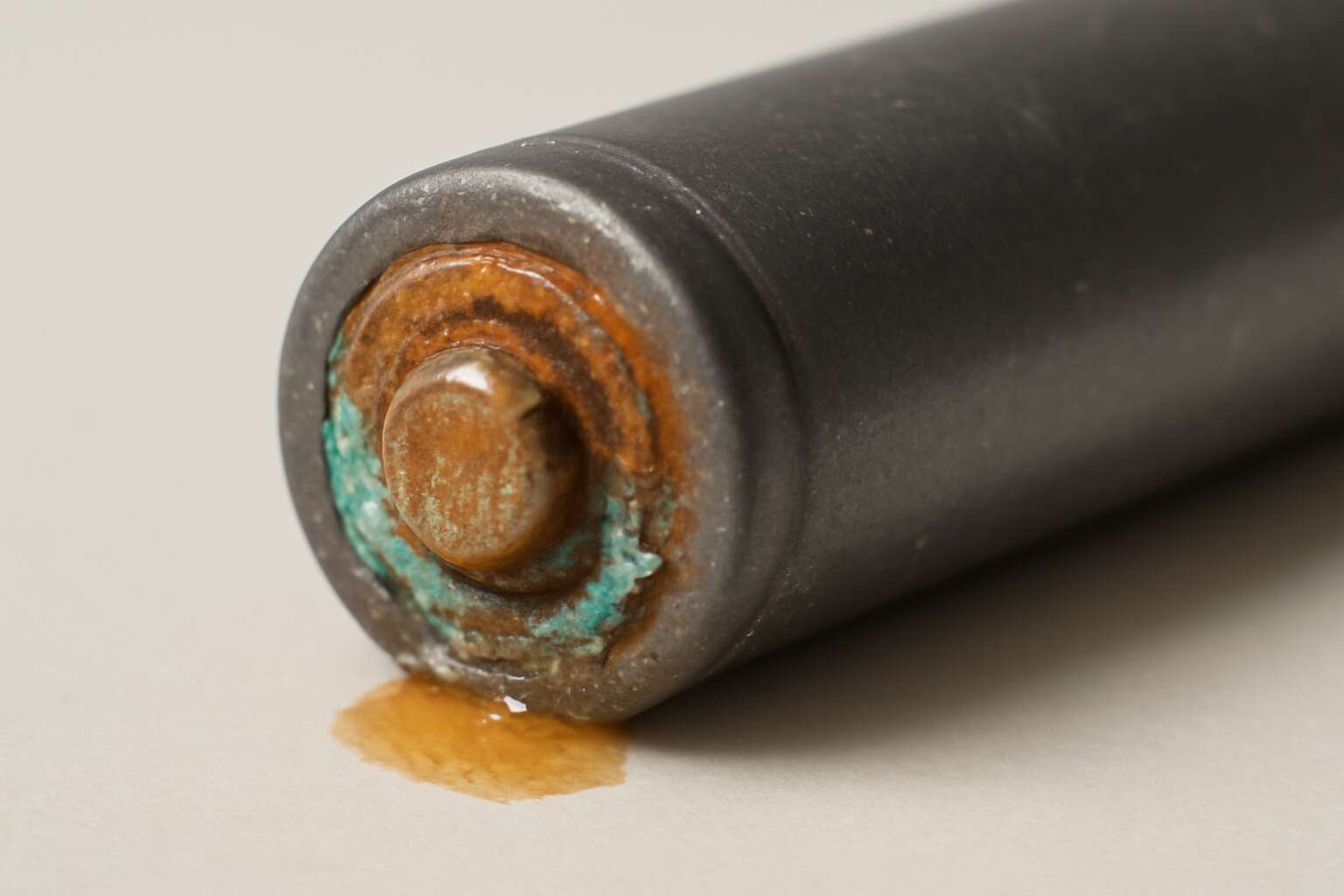
Root Causes of Rechargeable Battery Leaks
Chemical mechanisms behind leakage
In South Africa’s gadget-driven world, a stubborn mystery often shows up as a stained battery case. So, why do rechargeable batteries leak? Chemistry, not malice, writes the saga of aging cells and overstrained seals.
Leaks spring from internal gas buildup as the electrolyte decomposes and the SEI (solid electrolyte interphase) layer frays under heat and stress. Temperature swings, moisture, and impurities accelerate these reactions, turning quiet chemistry into a visible problem.
- Gas evolution from solvent decomposition creates pressure that pushes electrolyte through seals.
- SEI (solid electrolyte interphase) layer breakdown invites leakage and localized corrosion inside the cell.
- Dendrite formation can breach separators in high-energy chemistries.
- Moisture-driven hydrolysis of salts (such as LiPF6) yields corrosive byproducts like HF.
These dynamics reveal the interior story behind leakage, a problem that shadows devices from smartphones to power tools across South Africa.
Common leak scenarios across battery chemistries
In South Africa’s gadget-driven world, the question lingers: why do rechargeable batteries leak. The answer is not malice but age and strain, a quiet theater where seals sigh and channels fail.
Root causes thread through the crate of scenarios you’ll meet across chemistries: heat cycles tighten the screws of failure, moisture invites stray reactions, and corrosion gnaws at the borders where electrolyte escapes its cage.
- Heat cycling weakens seals and expands casings
- Physical shock or flexing cracks casings or punctures separators
- Moisture and trace impurities drive corrosive side-reactions
These scenes play out from smartphones to power tools, casting a shadow over familiar devices and reminding us that the leak is a ledger of aging, stress, and the relentless march of chemistry.
Impact of overcharging and overheating
South Africa runs on gadgets that chase power from sunlit roofs to crowded commutes. Why do rechargeable batteries leak? It’s not malice—it’s age and strain, a quiet theater where seals sigh and channels betray their vows. Heat, wear, and moisture line up like a slow-motion chorus that ends in a drip.
Overcharging and overheating are the twin accelerants. When a charger pushes voltage too far, the inner layers swell; heat saps the edge of the casing until vents give way. In SA’s hot days, these episodes become routine within devices we rely on daily.
- Overcharging with faulty chargers
- Chronic heat from sun and devices
- Fast charging that ages cells quickly
These factors sketch the visible consequences: damp, slimy residues on surfaces and ports, a reminder that aging devices leak not from malice but from pressure kept under the hood.
Physical damage and manufacturing defects
In the quiet hours before a workday, a trusted device can betray you—why do rechargeable batteries leak? The answer points to the two stubborn culprits: physical damage and manufacturing defects. “The leak is rarely dramatic,” a veteran SA technician says, “it’s the result of micro-cracks meeting stress.”
Physical damage chips away at seals; ordinary drops, bumps, or flexing can create pathways for electrolyte to escape. Manufacturing defects—poor seals, inconsistent coatings, or contaminated assemblies—plant seeds of failure that time and heat exploit.
- Punctures and crush damage from drops
- Loose or defective seals and gasket failures
- Micro-cracks from stress during bending or improper handling
That is the quiet truth behind damp traces and the cold math of failure.
Aging and wear leading to seal degradation
In quiet workshops and sunlit kitchens across the Karoo and beyond, devices age beside us. The question, “why do rechargeable batteries leak”, isn’t dramatic, but it’s telling. Aging and wear take their toll—seals lose elasticity and gaskets thin—so even modest temperature swings can coax electrolyte along a seam and onto the surface we trust.
- Elastic seals that lose their spring with years of use
- Micro-cracks that form under bending or rough handling
- Coatings and connections that corrode with heat
This quiet erosion explains the damp traces and the steady math of failure we witness in the field. The leak arrives not with fanfare, but as a patient, ordinary breakdown that time and heat quietly exploit.
Leakage in Different Battery Chemistries
Nickel-based batteries: NiMH and NiCd leakage traits
Across South Africa, the battery drawer is a miniature theatre: a bulging cell here, a crusty residue there, and the stubborn question why do rechargeable batteries leak. I’ve learned the answer isn’t drama; it’s chemistry in polite slippers—rarely malicious, mostly aged, and sometimes overfed by heat.
Nickel-based chemistries—NiMH and NiCd—show distinct leakage traits, though both deliver an alkaline surprise when their seals finally give way.
- NiMH typically leaks electrolyte that leaves a pale, crusty residue and sticky tracks around terminals.
- NiCd leaks can leave darker, metallic traces and capacious corrosion spots, reflecting its older, cadmium-containing lineage.
In practice, their performances diverge with time, but the outcome is much the same—a polite device suddenly refusing to stay pristine in public!
Lithium-ion and Li-polymer leakage triggers
Chemistry never sleeps; it leaks when given half a chance! In South Africa’s sunlit drawers and bustling offices, the riddle persists: why do rechargeable batteries leak? The answer wears a polite grin: electrolyte finds a way past aging seals, and a pale, ghostly crust marks the sorrow of the cell!
Li-ion and Li-polymer leakage triggers unfold in quiet stages. When the seal falters, electrolyte oozes and the device swears in sticky trails around terminals. Consider these common triggers:
- thermal spikes during partial charging
- punctures from drops or pressure
- manufacturing flaws in the seal or casing
That slow, clinical theatre isn’t malice but age and pressure, aging gracefully into corrosion.
Lead-acid and AGM/Gel leakage characteristics
In South Africa’s garages and offices, the old lead-acid workhorse still holds court. why do rechargeable batteries leak? When a seal gives way, sulfuric electrolyte slips past the chamber walls, and a pale crust marks the point of departure. The scene is practical, not dramatic—just chemistry in disguise.
Lead-acid flooded cells spill liquid electrolyte that can wander across surfaces and corrode metals. AGM and Gel variants, while designed to be sealed, reveal different leakage signatures: the gel or electrolyte can ooze from vents or seams, leaving sticky trails and faint acid odours that tell a careful observer where the problem began.
- Drips around terminals indicate venting pressure
- Crusty, white residues signal long-term exposure
- Acid odour or sticky residues warn of electrolyte leakage
Understanding these traits helps technicians anticipate failures before they spread, guiding safe disposal and replacement decisions with a calm, methodical approach.
Solid-state vs liquid electrolyte leakage considerations
In South Africa’s garages and offices, up to a third of ageing packs show leakage signs, a stark reminder that chemistry never clocks off. why do rechargeable batteries leak? The answer isn’t simple—pressure, seal wear, and electrolyte behavior all play their part, even before a dramatic rupture.
Leakage characteristics diverge by chemistry. Solid-state cells tend to fail with swelling or delamination, where the breach is structural and any seepage is minimal and dry. Designs with liquid electrolytes, from lithium-ion to NiMH and lead-acid families, more often leave visible trails, sticky residues, or discoloration as electrolyte migrates along seams.
Consider these nuances:
- Solid-state breaches produce swelling or delamination; seepage is rare and usually dry.
- Liquid-electrolyte leaks leave wet trails, sticky residues, and corrosion along joints.
- Venting behavior differs: solid-state may emit gas with little liquid migration, while liquid designs can show clear electrolyte migration along seams—an almost supernatural cadence.
Battery chemistry quirks that influence leakage risk
In South Africa’s gadget-packed garages, the question why do rechargeable batteries leak sits on the bench like an unwelcome guest! Chemistry never clocks off, and heat, pressure, and aging seals team up for a slow, messy showdown. So, why do rechargeable batteries leak? Because a storm of chemistry, temperature swings, and physical stress finds the weakest link.
- Gas venting vs liquid seepage
- Residue color cues
- Seam and laminate vulnerability
Nickel-based packs often show corrosion at vents and terminals, a tell-tale crust rather than a splash. Lithium families, by contrast, may ooze a sticky, amber film along seams as the electrolyte fights its way outward. Lead-acid shop kits leak differently again, leaving chalky residue and a sour scent that refuses to vanish.
How Leakage Happens: Chemical and Physical Processes
Electrolyte decomposition and gas buildup
In South Africa, leakage incidents spike after the holiday rush, with studies showing up to 28% of battery failures ending in visible leakage. That question—why do rechargeable batteries leak—has a straightforward answer: it’s a dance of chemical and physical forces inside the cell.
Electrolyte decomposition and gas buildup are the primary culprits. As the electrolyte breaks down, volatile byproducts form gas that can’t escape easily in a sealed design. This gas accumulates, raising pressure and pushing on seals and contact points. Physical factors—microcracks, imperfect sealing, or manufacturing flaws—allow electrolyte to seep outward along seams or vent paths.
- Electrolyte decomposition generates gases inside the cell
- Gas buildup increases internal pressure and can drive leakage at weak points
- Seal degradation from age or stress accelerates outward seepage
As a result, even ordinary temperature swings or slight stress can tip the balance, transforming interior chemistry into outward signs of failure that alarm users!
Separator failure and internal short circuits
After the holiday rush in South Africa, leakage incidents spike—up to 28% of battery failures end in visible leakage. To answer why do rechargeable batteries leak, you need a clear picture of how chemistry and pressure push at the cell’s edges.
Two threads drive leakage: chemical processes inside the electrolyte and the physical state of the separator. Separator failure and internal short circuits are the twin accelerants. Separator failure creates channels for ions to migrate, while internal short circuits heat spots and generate localized gas. That gas inflates the cell and tests every seal.
These forces push on seals and vent paths, turning quiet interiors into outward signs of failure. A small crack or flaw becomes a leak pathway along seams, vent channels, or contact points.
Pressure build-up and case deformation
Across South Africa, post-holiday leakage climbs with a sharp edge—the kind you can see along seams and vent paths. So, why do rechargeable batteries leak? The short answer is a duel: chemistry pushing gas and pressure against a brittle case, turning quiet interiors into telltale signs of distress.
Two threads drive leakage: chemical processes inside the electrolyte conjure gas, while the physical state of the separator determines how that energy travels.
- Electrolyte decomposition producing volatile species
- Localized gas pockets from side reactions
- Pressure from accumulating vapors under the cap
That pressure strains seals and vents, so a tiny crack becomes a leak path along seams, vent channels, or contact points. When this dance intensifies, the cell case deforms and outward signs appear, turning a hidden build-up into a visible fault.
Thermal runaway factors and temperature cycles
Across South Africa this holiday season, leaks pop up after a long recharge. So why do rechargeable batteries leak? The short answer: chemistry pushing gas against a brittle casing, turning quiet interiors into telltale fault lines.
Inside, chemical processes churn that release gas; when heat concentrates, reactions accelerate and vapors press toward seams, vent paths, and the cap interface—creating pockets that strain the enclosure.
Thermal runaway factors—rapid heat buildup, high charge states, external warmth—meet temperature cycles that make the casing flex and seals fatigue. The result is more micro-leaks and louder telltales.
The drama plays out in slow, stubborn increments—another quiet sign that chemistry and physics are dancing with the cell’s outer skin!
Prevention and Safe Handling
Charging best practices to minimize leakage risk
Currents hum, yet a silent fault can hide in the glow. Understanding why do rechargeable batteries leak helps homes and workshops shield themselves from costly surprises. In South Africa’s varying climate, heat nudges chemistry toward troublesome paths, so prevention hinges on respecting a battery’s design, temperature, and handling history.
Principles to guide safe charging and storage include:
- Compatibility with the device’s original design
- Maintaining a cool, dry environment
- Preserving the integrity of seals and casings
- Acknowledging aging and the lifecycle of each cell
These concepts turn the mystery of leakage into a narrative of care, letting households in SA keep their gear ready for the long arc of use and renewal.
Storage guidelines to prevent leaks
South Africa’s kitchen window sills aren’t the only things warming up with the day. Heat nudges chemistry toward trouble, and leaks often begin as a quiet fault you only notice when it’s too late. The question behind the glow—why do rechargeable batteries leak—speaks to the fault lines in design, temperature, and handling history, all colliding in the same moment.
Prevention thrives on simple, respectful handling. Keep packs in a cool, dry space away from direct sun; avoid jostling and pressure that strain seals and casings; and remember aging matters—each cell ages at its own pace and deserves thoughtful care.
With steady regard for climate, compatibility, and history, households can keep devices safe and ready for the long arc of use. A cautious approach turns potential leaks into distant memories, even when the SA summer heat climbs high.
Safe handling and personal protection for leaking batteries
Leaking happens in the margins—an overlooked consequence of heat, wear, and how we treat tools of energy. The question why do rechargeable batteries leak isn’t just chemistry; it’s a reflection on care, design, and the moments we ignore warning signs. A single quiet seep can rewrite a day in a heartbeat.
Prevention begins with simple, respectful handling and a mindset tuned to safety. The idea is to acknowledge how heat, pressure, and aging alter a cell’s balance; treat each pack as part of a longer story rather than a one-off gadget. Personal protection matters too—guard skin, eyes, and breath, and steady your response if leakage signs appear.
With that reverence, households become guardians of more than devices. The chemistry whispers of boundaries—respect them, and leaks fade into memory, even as SA summers test nerves and resolve.
Regular inspection and maintenance routines
Heat, age, and rough handling push battery packs to their limit. Understanding why do rechargeable batteries leak helps shape safer habits that keep families secure. Prevention starts with careful handling and routine checks that fit everyday life.
- Indicators to watch: swelling, cracks, or unusual warmth in packs.
- Keep terminals clean by eyeing for corrosion and residue.
- Track battery age and expiry to plan replacements.
- Store in a cool, ventilated area away from heat and flammable materials.
Regular inspection and maintenance routines become part of household safety, not a chore. We treat each pack with respect and document findings so small signs stay small.
Choosing protective casings and proper containment during use
Power up your safety with a blunt stat: around 1 in 5 South African households have dealt with a swollen or unexpectedly warm battery at least once. For context, why do rechargeable batteries leak? The short version is pressure, heat, and busted seals that let the chemistry party spill out. In everyday homes, that shows as bulging packs, unusual warmth after charging, or a sour whiff from the casing. The fix is smarter habits, not heroic guesswork.
Prevention hinges on safe handling and choosing protective casings and proper containment during use.
- Sturdy, flame-retardant outer shells that provide structural resilience.
- Non-conductive inserts that prevent shorts and keep cells separate within a pack.
Storage considerations in households lean toward avoiding heat and metal contact, while early signs like cracks or swelling tend to trigger a closer look rather than panic.
Troubleshooting and Replacement Strategies
Signs that a battery is leaking and when to retire it
A quiet alarm hides in every swollen battery. ‘Leakage is the warning sign you can’t ignore,’ says a veteran tech. In South Africa, you’ll spot it when the casing bulges, terminals crust, or a sharp chemical scent drifts from the pack—more than a mess, a signal. This speaks to why do rechargeable batteries leak.
Troubleshooting hinges on recognition. Signs that a battery is leaking include:
- Swollen or distorted casing
- Corrosion at terminals
- Foul, chemical odor
- Visible electrolyte residue
Knowing these cues helps you decide when to retire it instead of risking a bigger spill.
How to clean up leaks safely and effectively
Across South Africa, the quiet tremor of a swollen pack can rewrite a day. The question why do rechargeable batteries leak grows louder as devices shrink. A seasoned tech says leaks are warnings, not nuisances, guiding replacements.
Troubleshooting hinges on reading signals without panic; when leakage is suspected, focus on containment and safety while weighing whether replacement is wiser than patching. Consider these guiding points:
- Containment principles
- Disposal through approved channels
Replacement strategies favour compatibility, lifecycle thinking, and responsible recycling. Knowing when to retire a pack balances performance with hazard concerns and keeps leaks from improvisation.
Understanding the science behind these materials makes the path forward less treacherous. Seek partners who honour safety and recycling in SA.
Disposal and recycling options for leaking cells
Troubleshooting starts with calm, not panic. Isolate the device, power down, and move leaks away from skin. Contain the spill with non-conductive material and ventilate to avoid fumes. Why do rechargeable batteries leak? The answer is rapid containment and clear safety steps.
Replacement strategies hinge on compatibility and lifecycle thinking. Choose packs designed for your device, favour brands with transparent warranties and recycling support, and weigh patching against a full replacement. Retire a pack when performance drops or swelling persists.
Disposal and recycling options in South Africa rely on approved channels. Do not discard with ordinary waste; use licensed e-waste facilities, retailer take-back schemes, and municipal hazardous waste sites.
- Licensed e-waste depots and drop-off points
- Battery retailer take-back schemes
- Municipal hazardous waste sites
- Manufacturer recycling programs and guidance
Guidelines for selecting new batteries and avoiding leakage
Troubleshooting begins with a cool head and a clear plan. When evaluating why do rechargeable batteries leak, we focus on compatibility and the lifecycle story behind each pack. Choose replacements designed for your device, with transparent warranty terms and recycling support in South Africa. Avoid patchwork fixes; a well-matched replacement often outlasts hurried improvisation, protecting both safety and performance.
Replacement strategies hinge on total cost of ownership and chemistry fit. Look for packs that match your device’s load profile, come from brands with open safety data, and offer sensible end-of-life programs. Consider whether patching is worth the risk or if a full replacement delivers long-term reliability; retire a pack when it shows swelling or chronic overheating.
When to seek professional help or warranty options
Troubleshooting begins with a calm breath and a plan carved from curiosity. In exploring why do rechargeable batteries leak, we weigh device compatibility and the lifecycle story behind each pack. A well-chosen replacement respects wear and carries transparent warranty terms plus South Africa–specific recycling support.
Replacement strategies hinge on total cost of ownership and chemistry fit. Seek packs that match your device’s load profile and come from brands with open safety data and clear end-of-life programs.
- Device compatibility and load response
- Open safety data and warranties
- Recycling and end-of-life options
When in doubt, seek professional help or apply warranty options. Patchwork fixes rarely endure; in South Africa, trusted support can evaluate leaks and guide safe retirement of a pack.



0 Comments