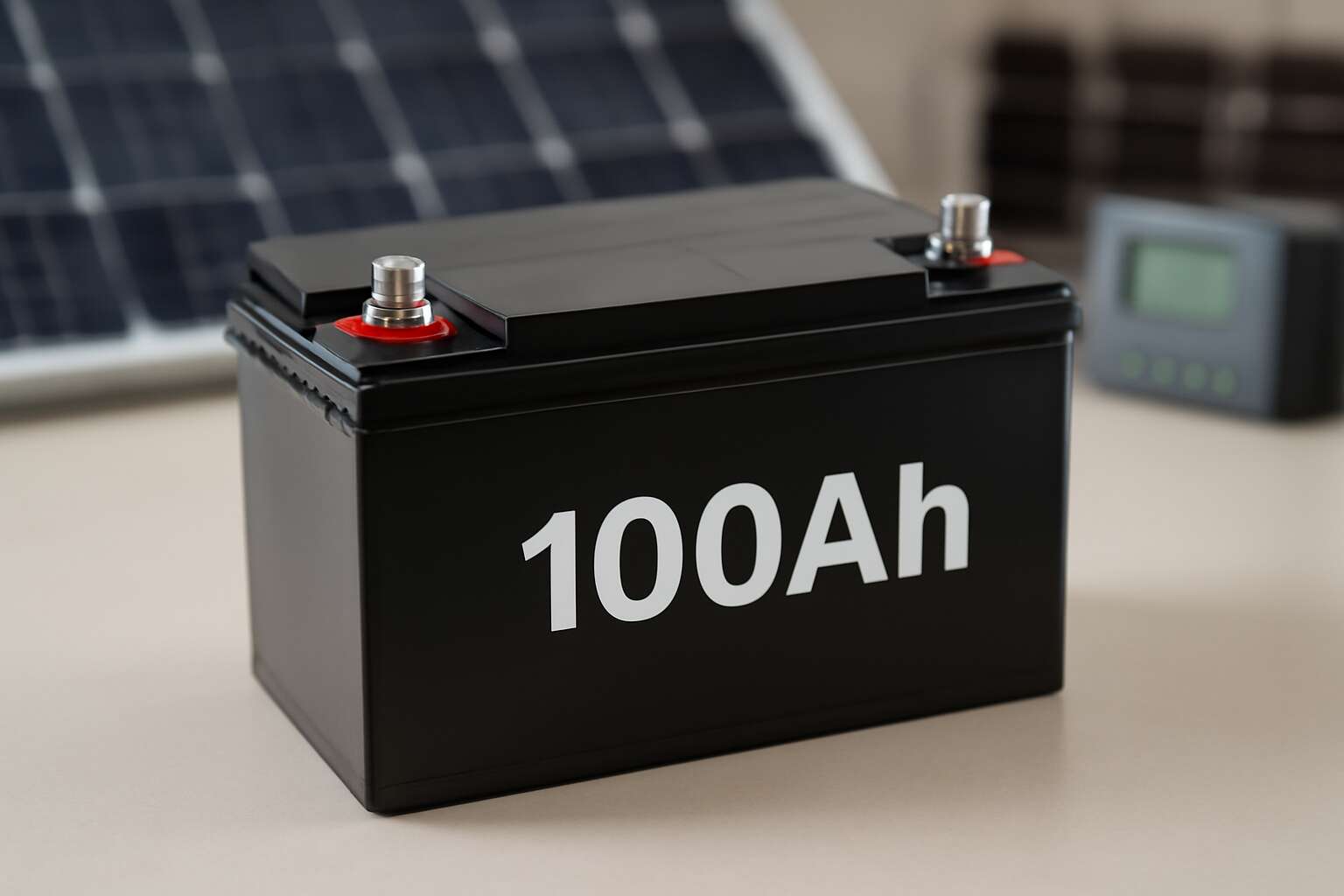
Understanding 100Ah Batteries
What does 100Ah mean?
Power reliability isn’t a luxury; it’s the quiet backbone of modern life. In South Africa, outages shape how households plan energy. With 100ah batteries, you begin to quantify that plan and imagine life beyond the grid.
What does 100Ah mean? It measures capacity—the amount of charge stored when the battery is new. In a 12-volt system, that’s roughly 1.2 kilowatt-hours, though usable energy depends on depth of discharge, temperature, and age.
- Depth of discharge reduces long-term life.
- Temperature affects performance and capacity.
- Inverter efficiency and wiring matter.
- Age and cycling erode capacity.
In practical terms, a 5A draw at 12V is about 60W; 100Ah would run roughly 20 hours at full discharge, though real use trims that.
These stores sit at the crossroads of cost, space, and reliability, shaping how South African homes navigate power interruptions. It’s a quiet revolution!
Common chemistries for 100Ah batteries
Energy resilience isn’t a luxury; it’s a lifeline. In South Africa, outages knit daily life into a rhythm of planning and patience. When we discuss 100ah batteries, chemistry isn’t a mere detail—it’s the pulse that keeps a fridge humming and a laptop awake. Different chemistries modulate cycle life, charge speed, and heat tolerance, turning a spec sheet into living reliability.
Common chemistries for 100ah batteries include several options:
- Lead-acid (the traditional, budget-friendly workhorse)
- AGM and Gel (maintenance-free variants)
- Lithium Iron Phosphate, LiFePO4 (longer cycle life and lighter weight)
- Other lithium chemistries designed for rapid charging
In South Africa, choosing between these options is about balancing budget, space, and climate. LiFePO4 stands out for longer life and lighter weight; AGM offers dependable performance; Gel and traditional lead-acid remain accessible. For 100ah batteries, the right match aligns your home’s cadence with sun and outage rhythms.
Voltage and capacity basics
Voltage is the heartbeat of a 12V system, and capacity is how long the drumbeat lasts. For 100ah batteries, a single 12V unit stores about 1.2 kWh, enough to keep a fridge humming and a laptop awake through a stretch of outages. In South Africa, outages are basically a daily plot twist, so that energy translates into real peace of mind rather than abstract numbers.
Here are the essentials you feel in everyday life:
- Nominal voltage: about 12V for a standard single-bank setup.
- Energy snapshot: roughly 1.2 kWh when fully usable at nominal voltage (12V × 100Ah).
- Reality check: the discharge rate and temperature chips away at the usable Ah and causes voltage sag under load.
Measured in these terms, you’re not just buying a battery; you’re buying predictable power cadence that lines up with sun and outages.
Differences between LiFePO4 and lead-acid 100Ah
Across the veld of outages, 100ah batteries stand as quiet fortresses, storing roughly 1.2 kWh—enough to keep a fridge humming and a laptop glowing through the dark hours. In South Africa’s grid drama, the right chemistry lends predictability, turning dread into dependable cadence rather than uncertain charge.
Two common paths split this journey: LiFePO4 and traditional lead-acid.
- LiFePO4 delivers far more cycles, a lighter frame, and voltage that remains steadier across a wider range of temperatures.
- Lead-acid shines with a lower upfront cost and simpler setup, but it wears out sooner and weighs more.
- In hot climates, LiFePO4 often reduces thermal stress on the pack, while proper maintenance matters more for lead-acid.
Ultimately, the choice writes its own cadence into a life powered by sun and outages—an enduring saga of reliability and calm in the storm.
Applications and Use Cases for 100Ah Batteries
RV and camper van power systems
Powering a late-night fridge binge in a South African veld is where 100ah batteries earn their stripes. In RV and camper-van life, this capacity hits the sweet spot between days on the road and the weight you can actually lift.
Here are the real-world use cases you’ll see on a South African adventure.
- Off-grid refrigeration for a compact caravan fridge
- LED lighting and mobile charging for devices
- 230V inverter power for small appliances after sunset
When paired with solar, the setup becomes a flexible backbone for long weekends and remote campsites.
Solar energy storage solutions
South Africa’s sun-drenched routes demand more than grit; they demand dependable energy. 100ah batteries answer that call, turning a simple campsite into a powered sanctuary through long nights and lean days. In the veld, power isn’t just fuel for gear; it’s a quiet guardian that lets a crew sleep soundly while the stars tighten their spell around the camp. They hum with quiet power!
Applications stretch beyond basic load-bearing tasks. You’ll find 100ah batteries keeping a compact freezer chill, charging cameras and phones, and running a small vent fan during still, humid evenings. Paired with solar, they become a nimble backbone for weekends on remote trails—an unseen ally that quietly whispers: you’re not alone out here.
Off-grid backup power
Power outages are the uninvited guest that never quite leaves, and in South Africa’s sun-drenched veld, a dependable backup matters more than a good safari hat. A quiet hum from 100ah batteries turns a simple campsite into a powered sanctuary, letting nights stretch without fear of a drained device or dimming lamp.
Harnessed right, these off-grid champions support a range of tasks beyond the obvious:
- Lighting and nightly workspaces powered by 100ah batteries keep LED panels buzzing without waking the neighbours.
- Small water pumps or drip irrigation for campsite gardens or bucket-list eco-plotting.
- Remote connectivity gear—satellite internet or a robust Wi-Fi hotspot on longer trips.
- Audio or camera rigs for on-location shoots, free from mains constraints.
Paired with solar, 100ah batteries become a nimble backbone for weekends on remote trails, whispering that you’re never truly off-grid.
Marine and boating power
South Africa’s coastline tests a mariner’s nerve and gear alike, and dependable power is the quiet anchor of a good voyage. On a sail or weekend afloat, 100ah batteries stand as a reliable backbone—compact, steady energy that keeps navigation screens bright and cabin fans turning long after sunset.
On boats, the uses are precise and practical:
- GPS/chart plotters and VHF radios
- Cabin lighting and LED reading lamps
- Bilge pumps and freshwater systems
- Refrigeration for provisions and catch
Paired with solar or shore charging, these units extend time at anchor and reduce the need to run the engine merely for power.
Buying Guide and Specifications for a 100Ah Battery
Key specs to compare
Power outages are South Africa’s unofficial national sport, and 100ah batteries are the quiet backbone of an outage-ready home. They keep the fridge cool, the router online, and your sanity intact when the grid pulls a disappearing act! This Buying Guide highlights the specs that actually matter.
Buying Guide: Key specs to compare for 100ah batteries include:
- Nominal capacity and depth of discharge
- Cycle life and warranty
- Operating temperature range and self-discharge
- Charging voltage, BMS compatibility, and efficiency
- Weight, size, and terminal type
In practice, you want a balance between endurance and practicality; lighter packs with generous DoD tend to perform better in SA’s mixed climate, but a solid warranty keeps the dream alive. I like a battery that doesn’t sulk in winter.
Choosing the right 100ah batteries means weighing DoD, temp compatibility, and charging profile—no magic wand required, just honest specs and a little South African pragmatism.
Battery types and form factors
South Africa’s grid resilience is a daily test, and 100ah batteries are the quiet backbone of an outage-ready home. They keep the fridge running and the router online when the lights blink and fade.
The buying guide boils down to fit and behavior over flashy labels. Seek endurance without excess weight, a sensible DoD feel, and a charging profile that matches the solar and inverter setup.
The following forms tend to fit SA homes best:
- Prismatic LiFePO4 blocks for space-efficient installations
- 12V modular packs with rugged BMS for easy scaling
- Flat pouch configurations that fit tight compartments
In SA, a reliable warranty matters as much as performance. That’s why selecting 100ah batteries from brands with trusted support makes sense.
Reading datasheets and warranties
Power is the quiet engine behind every South African home, and a single 100ah battery can keep the fridge humming when the grid falters. A seasoned installer once quipped, “Resilience is built with good data.” This Buying Guide cuts through the noise toward reliable fit.
Buying 100ah batteries means weighing endurance against daily loads and sun. Look for a robust BMS, solid cycle life, and a charging profile that harmonizes with your solar and inverter.
- Endurance and cycle life that match use
- Balanced DoD for your daily draw
- Charging compatibility with solar and inverter
Specifications flow from datasheets: nominal voltage, real capacity under temperature, max discharge and charge currents, cycle life, and warranty length. In SA, choose 100ah batteries with reputable service and clear warranty terms.
Discharge rates and cycle life
Power reliability in SA is a daily concern. 100ah batteries can keep the fridge humming when the grid falters.
Buying 100ah batteries means weighing endurance against daily loads and sun. Look for a robust BMS, solid cycle life, and a charging profile that harmonizes with your solar and inverter.
- Endurance and cycle life that match use
- Balanced DoD for your daily draw
- Charging compatibility with solar and inverter
Specifications flow from datasheets: nominal voltage, real capacity under temperature, max discharge and charge currents, cycle life, and warranty length. In SA, choose 100ah batteries with reputable service and clear warranty terms.
Temperature effects on performance
Power reliability is no fancy luxury—it’s the quiet rhythm in a SA home! In the Karoo heat, even a few degrees can swing how 100ah batteries feed your fridge. Temperature swings aren’t just discomfort; they reshape how these batteries perform day to day. A thoughtful setup, tuned to your climate, keeps meals fresh and spirits high when the grid falters.
When shopping or commissioning, look beyond the label. For buying guide and specifications, check nominal voltage, real capacity at your temperatures, max currents, cycle life, and warranty. In SA, I look for 100ah batteries backed by solid service terms and clear, accessible support.
- Derating at high temperatures reduces usable capacity.
- Cold temperatures can temporarily lower available capacity and slow charging.
- Store and install away from heat sources to extend life.
Maintenance, Safety, and Best Practices
Safe handling and storage
In South Africa, a single 100ah battery can keep a fridge humming through a blackout, turning chaos into calm. Maintenance is the quiet engine: inspect terminals for corrosion, keep connections tight, and use a charger matched to the chemistry. For 100ah batteries, gentle, regular cycling preserves capacity and prolongs life, avoiding deep discharges that bite into performance.
Safety first: never ignore venting or swelling signs, keep workspaces well ventilated, wear eye protection, and store away from flammables. Short circuits are reckless, so plan wiring with correct polarity and disconnect during any check or swap.
Best practices for 100ah batteries safe handling and storage: keep upright, in a cool, dry place, and use a dedicated battery box or rack.
- Store away from moisture and heat
- Cover terminals when not in use
Charging guidelines and maintenance
Power outages stalk South Africa’s towns, but a well-tuned 100ah batteries setup keeps the fridge humming and the lights steady. Maintenance is the quiet engine: clean terminals, tight connections, and a charger matched to the chemistry, ensuring steady performance and longer life.
Safety matters: never ignore venting or swelling signs! Keep the workspace ventilated, wear eye protection, and store away from flammables. Short circuits are reckless—plan wiring with correct polarity and disconnect during any check or swap.
Best practices and charging guidelines: store upright in a cool, dry place, in a dedicated battery box or rack; avoid moisture and heat. For charging, use a smart charger designed for your chemistry, follow a proper charging profile, monitor temperature, and avoid deep discharges.
- Use a charger matched to chemistry and temperature compensation.
- Inspect terminals and tighten connections after charging sessions.
- Disconnect before any checks or swaps to prevent shorts.
Battery management systems and monitoring
Maintenance is the quiet engine, keeping 100ah batteries reliable when outages loom. Regular tasks—clean terminals, tighten connections, inspect cables for corrosion, and ensure the charger matches the chemistry—unlock steady performance and longer life. A modern Battery Management System watches voltage, temperature, and discharge, translating data into actionable alerts.
Safety matters: heed venting and swelling signs. Keep the workspace ventilated, wear eye protection, and store away from flammables. Short circuits are reckless—plan wiring with correct polarity and disconnect during any check or swap.
Best practices and monitoring: store upright in a cool, dry place, in a dedicated battery box or rack; avoid moisture and heat. For charging, rely on a smart charger designed for your chemistry; follow a proper profile, monitor temperature, and avoid deep discharges. Battery Management Systems deliver real-time SOC, voltage, and temperature, plus alarms and history that guide maintenance.
- Real-time voltage and temperature monitoring via BMS
- Automatic balancing and safety cutoffs to protect the pack
- Remote alerts and data logging for trend analysis
Troubleshooting common issues
Maintenance is the quiet engine that keeps 100ah batteries dependable; in the real world, disciplined upkeep can add weeks to a battery’s life. Regular tasks—clean terminals, tighten connections, inspect cables for corrosion, and verify the charger matches the chemistry—unlock performance and longer life, even in brisk South African load-shedding cycles.
Safety matters: venting and swelling signs demand respect. Keep the workspace ventilated, wear eye protection, and store away from flammables. Short circuits are reckless—plan wiring with correct polarity and disconnect during checks.
Best practices: store upright in a cool, dry place in a dedicated box or rack; avoid moisture and heat. For charging, use a smart charger matched to your chemistry, follow the profile, monitor temperature.
Troubleshooting common issues: when symptoms arise, stay methodical. Start with terminals, verify charger settings, and heed BMS alerts. If swelling or heat appears, retire the pack and seek expert assessment for 100ah batteries.


0 Comments