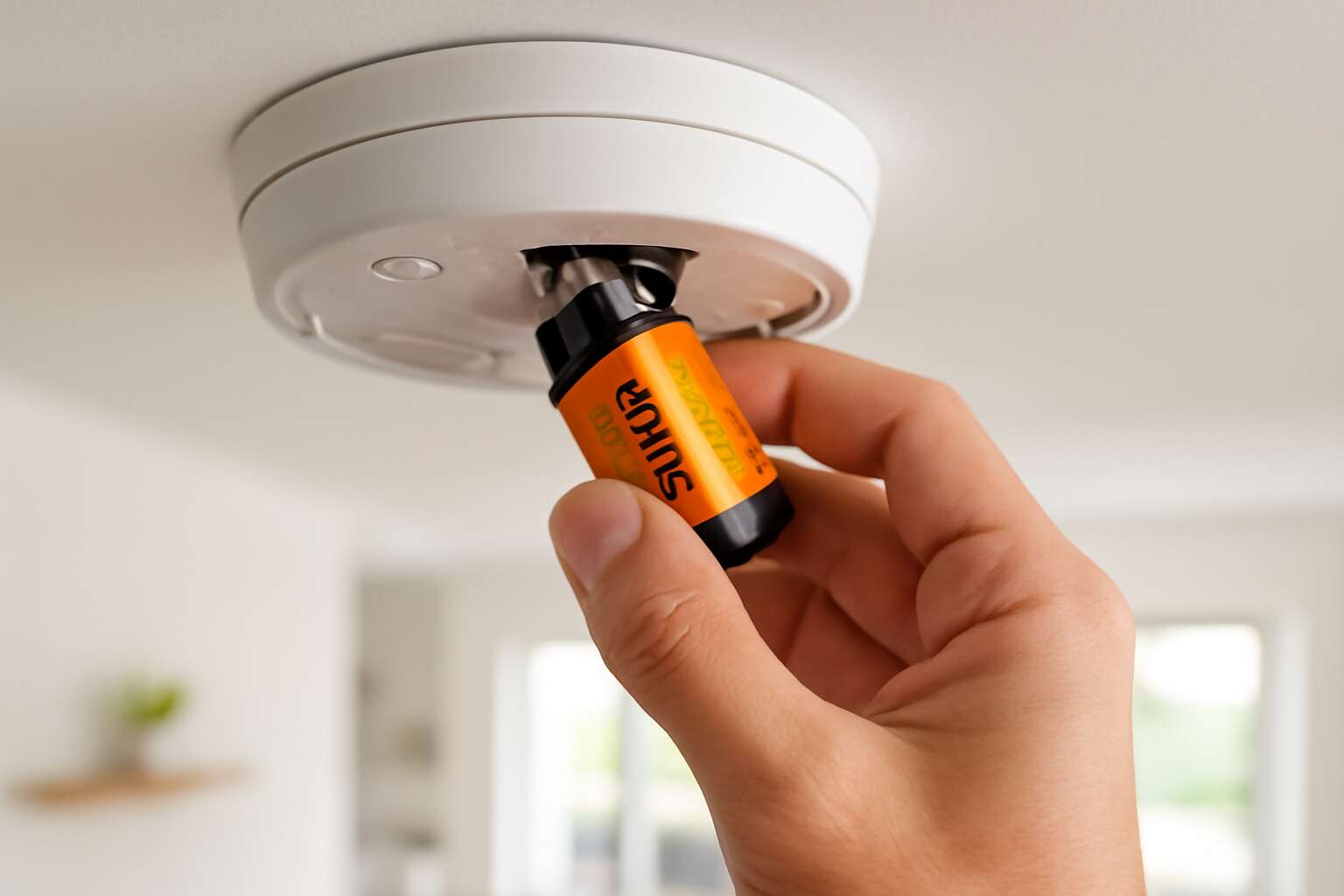
Foundations of Alarm System Power Sources
What powers home alarm systems: an overview
Power is the quiet guardian of your security—the unseen conductor that keeps every sensor awake when the lights fail. Foundations of Alarm System Power Sources reveal how protection rests on a delicate balance of energy and design. “Power is the quiet guardian,” a veteran installer once said, and it rings true.
In homes across South Africa, the primary stake is the mains supply, but the plus is the backup—alarm batteries that rise to the call when the grid falters. This duet keeps monitoring alive, even during a blackout!
Foundations of power sources come in three forms:
- AC mains for primary power
- Rechargeable alarm batteries (sealed lead-acid or Li-ion) for backup
- Solar or hybrid options to extend life during outages
Together, they craft a resilient heartbeat—modern energy with a touch of magic that keeps you secure.
Common chemistries used in security devices
Power is the quiet guardian, a line a veteran installer often repeats. In South Africa, protection rests on choices that keep sensors vigilant even when the grid falters, energizing alarm batteries and preserving sight and sound through the night.
Foundations of alarm power rely on a handful of common chemistries, each with a distinct temperament under pressure:
- Sealed lead‑acid (SLA) rechargeable packs
- Lithium‑ion (Li‑ion) cells
- Nickel‑metal hydride (NiMH) cells
- Lithium iron phosphate (LiFePO4) option
These chemistries shape service life, temperature tolerance, and charging behavior, ensuring alarm batteries stay responsive across SA’s climate. When managed well, they fuse safety with efficiency, reducing maintenance while keeping the home secure.
Key ratings to compare: voltage, capacity, and life cycles
Power reliability is not a luxury—it’s your first line of defense when SA’s grid stumbles. In the quiet, alarm batteries keep eyes and ears on your property, even after dark.
Foundations of alarm system power sources rest on three key ratings: voltage, capacity, and life cycles.
- Voltage determines wake timing and sensor coordination.
- Capacity provides reserve energy for hours of monitoring.
- Life cycles indicate how many charge–discharge rounds the battery can endure.
Voltage tells you if the panel can wake fast enough after a blackout. Capacity keeps the system running through outages. Life cycles show how long the battery maintains reliable power before performance fades. In SA heat, these ratings guide which alarm batteries hold up best.
Typical signs of a failing backup battery
Power outages are a fact of life in South Africa, and the security system needs a stubborn backup that never nods off. A reliable foundation rests on three pillars: voltage, capacity, and life cycles. These numbers aren’t just nerdy specs—they’re your night-watchman in disguise. That’s where alarm batteries come into play.
Voltage tells the panel when to wake; capacity keeps it vigilant for hours; life cycles show how many charge–discharge rounds the unit can endure. In SA heat, these ratings determine which power sources hold up when the lights blink and the fridge groans.
Keep an eye out for signs of a failing backup battery:
- Slower wake after a blackout or more frequent reboots
- Shortened monitoring time during outages
- Beeping alerts or low-battery warnings from the panel
- Physical signs like swelling or terminal corrosion
Battery Types and Compatibility for Security Devices
Primary vs. backup batteries explained
Within the quiet hum of a guarded home, alarm batteries hold the night at bay. I’ve heard an old locksmith say, “A trusted alarm is only as strong as its batteries.” In South Africa’s towns, these tiny guardians power every sensor when the grid falters.
Primary and backup batteries serve different roles in security devices.
- Size and fit: correct form factor
- Voltage/contacts: match the device
- Recharge vs. swap: know your backup’s design
Choosing between batteries is a balance of fit and function. In many homes, the right pairing keeps every door sensor singing through outages and storms.
Chemistries used in alarms: alkaline, lithium, and NiMH
In South Africa’s towns, a power outage is a test of trust. “A trusted alarm is only as strong as its batteries,” the old locksmith would say, and the line lands hard when panels blink back to life after the grid falters.
Battery chemistries power this choice. These chemistries show up in alarm batteries across SA homes. Three main options appear in security devices: alkaline, lithium, NiMH.
- Alkaline: affordable, non-rechargeable for low-drain sensors.
- Lithium: high energy density, long life, reliable in cold.
- NiMH: rechargeable, good cycle life, forgiving in mixed-load systems.
Compatibility hinges on form factor and voltage as much as chemistry.
Form factors and compatibility with wired and wireless panels
Power outages in SA towns are a social test of trust: last year, 43% of households faced outages lasting more than an hour. A robust security setup remains unflustered when the grid sulks, because the beacon of reliability sits in the battery compartment—alarm batteries—and it refuses to blink out of existence.
Form factors matter as much as chemistry. The common choices for security devices include the following profiles:
- AA-sized alkaline cells for low-drain sensors
- CR123A lithium cells for high energy density and cold resilience
- NiMH rechargeable packs for mixed-load wireless panels
Compatibility hinges on form factor and voltage as much as chemistry. Wired panels tend to favor larger, fixed packs; wireless hubs prize compact, rechargeable formats and easy swaps. In any SA installation, matching the connector, voltage, and cycle life to the panel is the quiet art of reliability.
Replacing vs. reusing battery packs: options and limits
Across South Africa, outages lasting more than an hour left 43% of households in the red last year. In that climate, a security setup that shrugs off the grid’s mood is priceless. alarm batteries are the quiet power behind reliability, keeping panels alert when the lights fail.
Replacing versus reusing battery packs hinges on form factor, voltage and intended load. Options exist, but limits apply. The right path respects connector type and cycle life, not just chemistry, so that the alarm remains ready when the community needs it most.
- Form factor matches the panel’s connector
- Voltage aligns with the system input
- Cycle life supports the expected security duty
- Ease of swapping for wireless hubs
Wired panels tend toward larger fixed packs; wireless hubs suit compact, rechargeable formats. By weighing form factor, voltage and cycle life, installers ensure alarm batteries stay dependable through the next load-shedding spell.
Choosing the Right Battery for Your Alarm System
How to read your panel’s power specifications
Power underpins protection, and backup power is the quiet guardian of your alarm system. In South Africa’s frequent load-shedding cycles, alarm batteries aren’t optional—they’re essential, bridging outages so every sensor and siren remains vigilant through the night.
To choose wisely, read the panel’s power specifications with care: note the voltage, capacity in amp-hours, and the end-of-life threshold—the numbers reveal how long the system can operate on battery alone. The following checklist helps navigate compatibility and performance:
- Voltage range and end-of-life voltage
- Capacity in Ah and reserve time
- Form factor and panel compatibility
With those guardrails, selecting the right alarm batteries becomes less guesswork and more aligned with your home’s rhythm, climate, and supply reliability.
Wired vs wireless systems: impact on battery choice
Power outages sharpen the edge of security. In South Africa’s load-shedding reality, choosing between wired and wireless panels reshapes how backup power behaves. Wired systems typically carry a sizable centralized battery in the panel, a steady reserve that keeps core sensors and sirens alive through longer outages. Wireless setups, by contrast, lean on batteries in multiple devices and the hub, distributing the load but often trimming endurance. The result? The form factor and chemistry of alarm batteries become a deciding factor, not an afterthought, especially when mains power flashes off for hours.
Voltage, capacity and end-of-life thresholds aren’t abstract specs; they map to how a home breathes during a blackout. Wired configurations can capitalize on larger reserves, while wireless ecosystems hinge on the lifespan and replacement cadence of spare packs. In either case, compatibility and resilience shape confidence when the grid dips and lights flicker.
Climate and environment considerations on performance
South Africa’s summers are a theatre of heat, where a single degree can decide a guard’s quiet bravery. In many homes, the endurance of alarm systems hinges on climate, not just circuitry; hot days can erode reserve capacity, tightening the margins when power falters.
Choosing the right battery for your alarm system means weighing environment as carefully as voltage. Temperature swings, humidity, dust and vibration all sculpt performance, shaping how long a healthy charge lasts and how gracefully a system recovers after brownouts.
- Extreme temperatures accelerate self-discharge and capacity loss
- Humidity corrodes contacts and reduces efficiency
- Dust and debris hamper venting and cooling
- Vibration from passing traffic or machinery can loosen connections
In this climate-aware calculus, alarm batteries become a factor of resilience rather than a mere accessory, aligning equipment with the rhythm of South African days and nights.
Brand names vs. generic: which to trust
In a country where a single moment of outage can silence a security system, the right choice of alarm batteries matters more than fancy features. “Reliability is the sum of many small choices,” a seasoned installer puts it. Brand-name options promise consistency and documented lifecycles, while generics tempt with price—yet the South African market rewards discernment and local support.
Brand-name options offer consistency and documented lifecycles; generics tempt with price. Here are quick considerations:
- Brand-name options offer tested cycles, clear datasheets, and local service networks.
- Generics can reduce upfront costs, but quality and warranty vary—verify compatibility for your panel.
- Source from reputable SA distributors who stand behind the product with support and stock resilience.
Ultimately, balance of risk, cost, and peace of mind in South Africa’s dynamic security landscape is achieved by choosing the right alarm batteries.
Estimating cost and supplier options
Choosing the right battery for your alarm system isn’t flashy, but in South Africa’s shifting security landscape, it can be the difference between silence and sirens. When you weigh alarm batteries, reliability and fit matter more than glossy specs!
Estimate cost beyond the sticker price. Factor shipping, installation, and the panel’s required life cycle. Look for datasheets, compatibility notes, and regional availability. A modest premium for trusted brands can translate into fewer service calls and steadier performance during power outages.
- Source from reputable SA distributors with local stock and support
- Verify compatibility with your panel and system (voltage, form factor, chemistry)
- Check warranty terms and the distributor’s service network for quick replacements
In the end, the right choice balances risk, cost, and peace of mind for alarm batteries across South Africa.
Maintenance and Replacement Best Practices
Regular battery health checks and tests
A reliable alarm system hinges on a quiet partner under the hood—the alarm batteries that power it, steadfast guardians in our modern citadels. When they falter, the security net can unravel. Regular health checks and tests keep this partner battle-ready, ensuring your protection remains steadfast even when mains power falters.
Regular maintenance follows a few broad guidelines—monitor voltage drift, inspect connections for wear, and document findings to guide future replacements. My experience shows that a proactive mindset reduces surprises during power outages.
Store and handle them with care, avoiding extreme heat and moisture; replace on schedule to prevent downtime and preserve system integrity. In South Africa’s varying climates, proactive care saves not just equipment but peace of mind! Treat them with attention, and the system pays you back in quiet reliability.
Safe replacement steps for different alarm types
Power outages are South Africa’s uninvited guest, and your security system needs a ready back-up. When alarm batteries falter, the whole protection tumbles. Maintenance and replacement best practices keep your silent shield awake, especially when the lights dip and the street goes quiet.
Safe replacement practices for different alarm types revolve around manufacturer guidance and basic care. Consider these high-level principles:
- Manufacturer guidelines for each alarm type (wired, wireless, or hybrid) inform compatibility with the panel.
- Avoid mixing chemistries or old with new units to prevent unpredictable performance.
- Store and handle alarm batteries in a cool, dry place and dispose of old units responsibly according to South Africa’s recycling norms.
- Keeping records of replacements helps guide future maintenance without compromising protection during outages.
In South Africa’s climate, this watchful care pays dividends in quiet reliability—your back-up batteries keep watch while the city powers on.
Proper disposal and recycling guidelines
Power outages are a fact of life in many SA communities, and a healthy backup depends on reliable alarm batteries. A single weak cell can dull the entire shield, so maintenance matters during load shedding and quiet nights when panels sit idle.
Disposal and recycling follow South Africa’s trusted e-waste channels. Store spent units in a cool, dry corner away from children; do not mix old chemistries or throw them in the rubbish. Recycling programs separate hazardous components and recover value, keeping neighborhoods safer and landfills lighter.
- Licensed e-waste channels and accredited recycling facilities for alarm batteries
- Documentation of disposal activities and batch numbers where available
- Alignment with local municipal guidelines on hazardous waste handling
Proper disposal and recycling guidelines sustain quiet reliability, ensuring alarm batteries continue to guard homes without compromising the environment.
Proactive replacement schedules and what triggers them
Power outages are a fact of life in SA; reliability isn’t accidental—it’s born from the health of the battery. “Reliability is a patient art, not a rushed fix,” a seasoned installer once reminded me, and it holds especially true for alarm batteries guarding quiet, vulnerable nights.
Proactive replacement isn’t about a stiff timetable but a philosophy that aging is anticipated. Triggers include capacity fade, voltage sag, and longer recharge times after idle periods.
- Declining capacity and shorter run times
- Voltage sag during self-tests
- Longer recharge after periods of inactivity
- More frequent fault or self-test alerts
In the end, timely refreshes preserve calm, extend system life, and align with responsible maintenance and environmental stewardship.
Energy Efficiency, Alerts, and Brand Variations
Smart features that maximize life: low-power modes and sleep states
Power reliability is a daily reality in South Africa, where a dependable security setup feels like a quiet guardian through load-shedding. Some studies suggest smart power management can extend the life of alarm batteries by up to 40%.
Energy efficiency wears its elegance through low-power modes and sleep states that curb current during idle moments. Alerts that wake only for real events keep the system vigilant without draining the supply. Brand variations reflect firmware cleverness and component quality as much as price, rewarding those who seek longevity over flash.
- Low-power mode reduces standby drain
- Sleep states minimize activity during idle periods
- Smart alerts tailor notifications to conserve energy
Choosing wisely means looking for brands that balance mature power management with straightforward maintenance in both wired and wireless panels, for a resilient SA home security network.
Interpreting low-battery alerts across brands
Energy efficiency wears its elegance through disciplined current draw and the hush of sleep states. In South Africa’s erratic grid, smart power management stretches alarm batteries longer by curbing idle drain. Low-power modes keep standby currents tame, and the system stirs only when real alarms drum.
Alerts that wake for real events keep the vigil bright while conserving energy. Across brands, low-battery signals can read differently on each panel, yet the principle remains: prioritize reliability without inviting needless drain.
Brand variations reflect a blend of firmware cleverness and component quality, more than price alone. In SA homes, choose brands that balance mature power management with simple maintenance across wired and wireless panels, and trust the batteries that endure load-shedding’s stern test.
Power backup vs. primary power: understanding roles
South Africa’s grid is unpredictable, and every hour of outage tests your protection. Smart power management turns that risk into resilience, letting alarm batteries drink less current when idle. This is energy efficiency in action—quiet, deliberate, and dependable.
- Low-power modes that suppress standby currents
- Sleep states that wake only for real alarms
- Regular health checks to avoid needless drain
Alerts that wake for real events keep the vigil bright while conserving energy. Across brands, low-battery signals vary in panel language, but the aim is the same: reliability without waste.
Brand variations reflect firmware and component quality more than price. In SA homes, choose brands that balance mature power management with easy maintenance across wired and wireless panels—while trusting them to endure load-shedding’s stern test.
Troubleshooting inconsistent battery performance
Common FAQs and Troubleshooting Tips
Why does an alarm beep on battery power
Beeping from an alarm while it runs on battery power isn’t a nuisance—it’s a warning! The system nudges you to check the backup source before it fails in a real outage.
Common questions focus on causes and fixes. Most beeps come from low voltage, an aging battery, or a panel fault that flags the alarm batteries as worn out.
- Verify mains power and ensure the backup battery is properly connected and seated.
- Check the panel’s battery status and replace if the life cycle is near end or a low-battery icon is present.
- Use the correct replacement battery type recommended by the panel manufacturer to avoid compatibility issues.
- Test the system after replacement to confirm the beeping stops and signals are normal.
Dispose of old alarm batteries responsibly and follow local South African recycling guidelines for a cleaner, safer home.
Expected lifespans by chemistry and usage
A seasoned installer once said, ‘The beep is the system speaking in alarm language.’ In South Africa’s homes, the backup heart—the alarm batteries—often dictates whether security stays armed when mains fail.
Common FAQs span lifespan by chemistry and usage. Alkaline cells may last 1–3 years in standby duty; NiMH typically 3–5 years; lithium can reach 5–10 years with gentle usage. Temperature, cycling, and how often the panel tests itself trim those times.
- How can I identify the battery chemistry powering my panel?
- Should I replace on a warning or only when it fails?
- What factors shorten or extend life—heat, deep discharge, or constant testing?
Local guidelines for disposal and recycling follow South African standards, guiding how we honour the life of every cell.
What to do if a new battery won’t hold a charge
“The beep is the system speaking in alarm language,” a veteran installer once said. In South Africa, the backup heart—the alarm batteries—decides whether security stays armed when mains fail, and a new pack’s promise can waver under heat and repeated testing.
Common FAQs revolve around identifying the panel’s chemistry, when to replace, and how temperature and cycling trim life for alarm batteries.
- Compatibility with the panel’s chemistry and form factor
- Warranty status and how the device tests itself
- Environment and cycling patterns that influence life
When a new battery won’t hold a charge, high-level causes emerge: mismatched chemistry, aging cells, or a panel that never settled into efficient charging. In South Africa, disposal and recycling guidelines reflect local standards for how we honour every cell’s life.
Safety tips for DIY battery replacement
In South Africa, security hinges on a quiet heartbeat—the backup battery. In our experience, nine in ten beeps trace to alarm batteries that won’t hold charge, not to a mains failure. People ask what to check before a swap and how heat shapes life.
Common questions verge on finding a compatible match—panel chemistry and form factor—and how a device’s self-tests reflect a weak pack. Readers also wonder about warranty and whether heat or cycles shorten life.
Here are high-level safety notes for DIY handling of alarm batteries, written with care to avoid harm and mishaps:
- Ensure the system is in a safe, non-operating state before touching components.
- Handle with care using appropriate PPE and keep metal tools from shorting.
- When in doubt, consult a licensed technician rather than attempting a DIY replacement.
Disposal and recycling guidelines in South Africa honour every cell’s journey, protecting people and planet.



0 Comments