NiMH Battery Technology and Chemistry
What NiMH stands for and core chemistry
Power is a story you can feel in your pocket, and NiMH chemistry is the quiet engine behind it. Across South Africa, rechargeable devices demand reliability, and NiMH cells endure daily cycling with steady performance. I’ve seen them weather heat and cold on remote jobsites, proving durable, energy-dense power for everyday use!
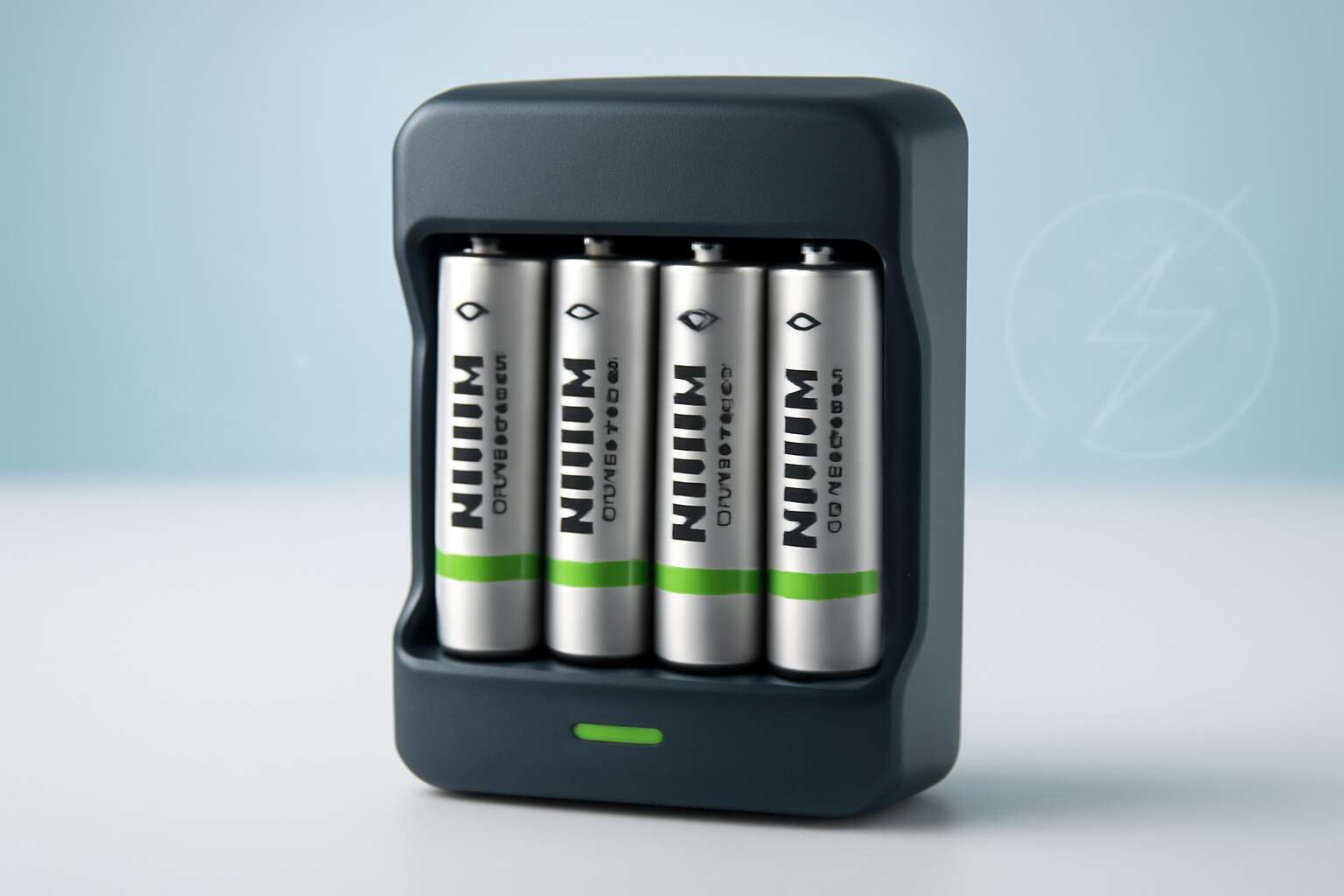
NiMH stands for Nickel-Metal Hydride, a chemistry where a nickel oxyhydroxide positive electrode trades electrons with a hydrogen-storage alloy on the negative side. The electrolyte, typically potassium hydroxide, ferries ions to keep the circuit alive. In practical terms, these rechargeable batteries nimh deliver stable voltage and strong cycle life, even after many charges.
- Positive electrode: NiOOH (nickel oxyhydroxide)
- Negative electrode: hydrogen-absorbing alloy (metal hydride)
- Electrolyte: potassium hydroxide
- Core action: reversible storage of hydrogen during charge and release during discharge
Voltage and capacity characteristics of NiMH cells
Across South Africa, where load-shedding reshuffles plans and pocket power matters, rechargeable batteries nimh stand as quietly capable workhorses. They offer a reliable cadence to daily routines, delivering 500 to 1000 recharge cycles before a replacement becomes prudent. In hand tools, photography gear, and remote sensors alike, their steady voltage keeps devices humming.
- Nominal voltage around 1.2V; fresh cells can briefly peak near 1.4V, then settle under light load.
- Capacity depends on format: AA cells typically 1800–2500 mAh.
- Temperature and cycling affect performance; NiMH show strong cycle life but higher self-discharge than Li-ion.
Across diverse South African environments, these traits translate to dependable everyday power with a practical balance of cost, durability, and performance.
Cycle life, degradation, and aging mechanisms
In the realm of rechargeable batteries nimh, cycle life is the quiet referee. These cells endure hundreds to roughly a thousand charge-discharge cycles, depending on usage and temperature. With each cycle, the internal dance shifts and a portion of capacity slips away, quietly—like a stubborn marathoner refusing to admit the finish line.
Aging mechanisms wear a distinct fingerprint: electrode polarization grows, microstructural changes accumulate, and electrolyte components drift. The net effect is gradual capacity fade and a modest rise in resistance, especially under heavier loads—a reminder that sameness has its limits.
- Active-material loss from expansion-contraction
- Hydrogen evolution and gas formation
- Electrolyte degradation and moisture sensitivity
Across South Africa’s varied climates, these traits keep NiMH a practical choice—solid reliability without a premium tag. For many devices, rechargeable batteries nimh deliver power that ages gracefully rather than collapsing suddenly.
Temperature effects on performance and safety considerations
A single degree can swing performance by double-digit percentages in NiMH chemistry, and temperature is the quiet conductor behind every charge. For rechargeable batteries nimh, heat speeds reactions and heavy use can blunt recovery, while cold dulls peak power. In South Africa’s climate, this balance matters.
Temperature effects read like a weather forecast for the cell’s mood. Here’s a compact snapshot:
- Elevated temps accelerate electrolyte aging and polarization, lowering capacity and raising resistance.
- Cold conditions shrink usable capacity and slow reaction kinetics, limiting peak power.
- Moisture sensitivity and gas formation under stress remind us that chemistry has boundaries.
Across South Africa, NiMH remains a dependable choice with modest safety caveats. The chemistry tolerates routine handling, yet overheating and damp environments can accelerate aging and affect impedance.
Temperature is the unseen referee in the saga of rechargeable batteries nimh, shaping durability as much as any user habit.
Environmental impact and recycling options for nickel-metal hydride
NiMH battery technology keeps the lights on with a practical swagger. In NiMH chemistry, the metal-hydride alloy on the negative electrode teams up with nickel oxyhydroxide on the positive to deliver steady performance and robust safety margins. For South African devices—kitchens, workshops, and everything in between—rechargeable batteries nimh offer a sensible balance of capacity, resilience, and ease of handling.
Environmental impact and recycling options matter more than ever. NiMH cells are widely recyclable, and many facilities recover nickel, as well as other metals, returning them to productive use. In South Africa, you’ll find local drop-off points, retailer take-back programs, and dedicated e-waste days that accommodate NiMH waste without turning your garage into a toxic alchemy lab.
- Local recycling drop-off points
- Retailer take-back programs
- Dedicated e-waste collection days
Choosing NiMH isn’t just about performance; it’s about embracing a recyclable loop that suits South Africa’s climate and consumer habits.
Benefits and Performance of NiMH Batteries for Consumers
Cost savings over the lifespan
Power that lasts longer, costs less over time—rechargeable batteries nimh are reshaping the everyday power equation for South Africans. In a recent SA consumer survey, more than half reported noticeable savings over five years after swapping disposables for NiMH cells, courtesy of a longer lifecycle and the ability to recharge hundreds of times.
Key benefits unfold in daily use:
- Lower long-term cost per device due to repeated recharging and reduced replacement frequency
- Consistent performance under varying loads, keeping cameras, remotes, and tools reliable
- Smaller environmental footprint with less waste compared to single-use batteries
The result is a dependable, more humane approach to energy that aligns with pragmatic values and environmental stewardship.
Performance in high-drain devices
Across South Africa, more than half of households upgrading to rechargeable batteries nimh report a quieter electric life—less buying, more power on demand! Their edge isn’t just longevity; it’s reliability when the lights dip or the camera needs a fast recharge between shoots. In real-world use, NiMH packs maintain steady output across a range of loads, so everyday gear behaves as it should without stuttering or slowing.
Consider where high-drain demands meet real-life rhythms.
- Digital cameras and camcorders that gulp power during busy shoots
- Cordless power tools and cordless vacuum cleaners that demand peak torque
- RC vehicles and drones that sprint through high-load accelerations
In these scenarios, rechargeable batteries nimh deliver quick recharges and maintain readiness, reducing downtime.
That dependable power feels humane—a practical, future-oriented choice for South African homes seeking less waste and more confidence in daily devices.
Self-discharge rates and storage practices
Across South Africa, rechargeable batteries nimh offer stubborn reliability when the power wobbles. Their self-discharge is modest—especially in low-self-discharge variants—so remotes, weather meters, and handheld tools stay usable longer between charges. That balance of readiness and restraint feels humane, a practical energy companion in a nation where every watt counts.
Self-discharge rates hinge on chemistry and care; standard NiMH shed charge more steadily than their low-self-discharge cousins, yet well-kept packs regain their tempo swiftly when summoned. Storage choices influence longevity; environments controlled away from extremes help preserve life. In daily use, the promise is continuity—power that returns when you need it, not after weeks of idle risk.
Safety, durability, and reliability in challenging conditions
Power that remembers the road you tread—rechargeable batteries nimh anchor South Africa’s busy routines with a quiet resolve. In everyday trials, NiMH packs prove they outlast disposables in remotes, weather meters, and handheld tools, offering a steady heartbeat when the day grows long and lights flicker. It’s the kind of reliability that feels almost human, a stubborn ember ready to spark again!
They shoulder safety and durability in challenging climates—tolerant to heat, dust, and the hustle of daily life. When the sun turns and the workload demands, these cells maintain a stable voltage, resist wild drops, and let your devices breathe with confidence. This is not bravado; it’s measured resilience in every cell of the rechargeable batteries nimh ensemble.
- Long cycle life and temperature tolerance
- Safe handling and broad charger compatibility
- Consistent performance in high-drain devices
Availability, compatibility, and standard sizes
Power has a memory that travels with you through a busy day, and in South Africa that memory is kept by rechargeable batteries nimh. These packs deliver a steady heartbeat when remotes, weather meters, and handheld tools demand more than a single use can offer. A seasoned engineer once whispered, “Reliability is a quiet flame—unpretentious, yet fierce when it matters.”
- AA
- AAA
- C
- D
- Sub-C
Availability across South African retailers and online shops makes sourcing simple, and broad charger compatibility ensures a smooth upgrade path for aging devices. Standard sizes guarantee quick swaps in common gadgets, with local distributors providing accessible pricing and dependable support for households and businesses alike.
Charging, Maintenance, and Best Practices for NiMH
Proper charging methods and cycles for NiMH
Power outages are a daily reality across much of South Africa, and a well-charged pack can keep essentials buzzing through the night. For many households, rechargeable batteries nimh quietly power radios, flashlights, and remotes, earning their quiet, steadfast place in the homestead.
Charging should be calm and correct. Use a charger designed for NiMH with auto-stop and moderate temperatures; slower charges often extend life.
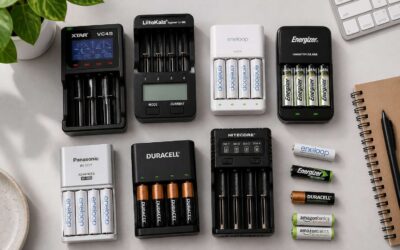
- Use a NiMH-friendly charger and avoid mixing old with new cells.
- Charge in a cool, dry spot away from direct sun.
- Unplug after a full cycle if the charger lacks auto-stop.
Maintenance means clean contacts, inspect for swelling, and store in a cool, dry place. Rotate sets to ensure even wear.
Best practices include occasional conditioning cycles and avoiding deep discharges; keep spare sets for outages.
Discharge strategies and conditioning techniques
Charging discipline shapes the life of rechargeable batteries nimh. In South Africa, outages are common, and a steady approach keeps radios and torches ready through the night. A calm, moderated charging regime reduces strain, helping the pack hold charge longer. It’s about dependable energy, not fast bursts.
Maintenance matters: clean contacts, inspect for swelling, and store in a cool, dry place away from direct sun. Rotate sets to even out wear and maximize available cycles. These practices support reliable performance when the grid stumbles.
- Occasional conditioning cycles to rejuvenate capacity
- Avoid deep discharges to extend life
- Keep spares in cool storage for outages
Avoiding memory effects and extending battery life
“Patience charges the best batteries,” a wry saying in the trade, and it rings true for South Africa where outages loom and a steady current is a quiet guardian. For households leaning on rechargeable batteries nimh, reliability in the dark beats drama every time.
Charging discipline is not a trap for the faint of heart; it keeps pack health from flinching and helps the memory quirk stay at bay. A calm, moderated approach reduces strain and helps the pack hold charge longer through long nights.
Three guiding principles surface when you’re nurturing NiMH performance without drama:
- Gentle charging cadence that respects the pack’s temperament
- Balanced usage to even wear across cells
- Cool, dry storage away from heat sources to preserve stability
These ideas shape a future where the memory quirk is kept at bay and reliability remains steady, even when the grid falters and the night grows long.
Storage guidelines and temperature considerations
Charging a battery pack with patience pays off when the lights flicker and the grid tests us. For rechargeable batteries nimh, a gentle cadence respects each cell’s temperament and minimizes heat. I’ve seen how calm, steady practice keeps packs reliable through long nights in South Africa.
Maintenance means keeping NiMH packs balanced and temperatures honest. Avoid heat creeping into the cells; keep connections clean and inspect for swelling. Balanced use preserves steady performance when power is scarce.
Best practices for storage and temperature center on restraint and care. Store NiMH units in a cool, dry spot away from heat and direct sun. Keep them at a moderate state of charge to curb deep discharge without overheating.
Troubleshooting common NiMH issues
Patience is the most underrated charger, a line I mutter when the lights tremble and the screen stutters. For rechargeable batteries nimh, a measured rhythm keeps packs calm and reliable, especially when the power grid plays tricks in South Africa.
Maintenance means keeping NiMH packs clean and honest about heat. Clean the terminals, check for swelling, and feel for unusual warmth after a session. Balanced handling preserves steady performance when the lights dim.
Best practices for troubleshooting common NiMH issues hinge on calm diagnosis. If a pack sags under load or refuses a recharge, move through a simple check:
- Swelling, warmth, or corrosion signals aging cells and the need for careful evaluation.
- Wear at interfaces between cells and connectors often hides faults until it’s too late.
- Heat management is critical; ventilation and shade help preserve performance in challenging conditions.
NiMH Batteries vs Other Chemistries
NiMH versus NiCd: advantages and drawbacks
“Power is endurance,” a South African engineer once said, and NiMH delivers that quiet stamina in everyday life. In the NiMH versus NiCd comparison, the balance favors reliability, cleaner manufacture, and a gentler footprint. For readers weighing rechargeable batteries nimh options, this chemistry often feels like a dependable partner for remotes, toys, and tools.
Key contrasts come down to three realities.
- Higher energy per cell than NiCd.
- Cadmium-free, easier on the environment.
- Higher upfront cost, longer life.
In South Africa’s markets, NiMH remains a sturdy companion for household devices and mid-range tools, offering robust performance with familiar accessibility. For South African households, rechargeable batteries nimh offer a dependable, cost-effective choice with widespread availability. The drawbacks are modest next to its advantages: strong compatibility and established supply chains support a long-term option.
NiMH vs Lithium-ion: performance and use cases
Across the spectrum of rechargeable power, NiMH stacks up differently against lithium-ion. NiMH cells deliver dependable energy at moderate weight, thriving in devices that don’t demand the peak voltage Li-ion offers. In South Africa, you’ll find NiMH packs widely available and easier to refresh at local retailers, which keeps everyday remotes, toys, and some cordless tools humming with quiet confidence.
- Low to mid-drain devices like remotes and keyboards
- Toys and gadgets that sit on the shelf for long periods
- Mid-range cordless tools where ruggedness and economy win
Compared with lithium-ion, NiMH trades energy density for reliability, safety, and a gentler supply chain. That makes rechargeable batteries nimh a pragmatic choice for households across South Africa, especially where charging cycles are steady and replacement parts are readily stocked.
Emerging alternatives and how they compare
Power markets bend, but reliability endures. In the realm of rechargeable batteries nimh, the steady hum of NiMH chemistry often outlasts flashier rivals in everyday devices. Emerging alternatives promise higher energy density and faster charging, yet NiMH remains the pragmatic backbone for remotes, toys, and tools across South Africa. Its blend of safety, ruggedness, and accessible refresh cycles keeps homes humming without drama or downtime!
- Solid-state systems aim for safer, denser energy in a shrinking footprint
- LiFePO4 variants balance ruggedness and longevity for mid-range tools
- Emerging chemistries such as sodium-ion offer potential cost and resource advantages
Against these options, NiMH trades peak density for dependable, predictable cycles, a boon as charging habits evolve and parts stay stocked at SA retailers and local recyclers.
Application-focused guidance on choosing NiMH
Power reliability wins in real life. In South Africa, NiMH cells keep remotes and toys humming long after flashy rivals fade. For many households, rechargeable batteries nimh remain the practical choice—rugged, safe, and refreshable with simple charging.
- Remotes, toys, and cordless tools with steady draw benefit from predictable cycles and cost-effective refresh.
- High-drain devices or long-use gear may push toward higher-energy chemistries such as Li-ion or LiFePO4 for density and weight, while NiMH handles steady use.
- Availability and recycling: SA retailers and local recyclers keep NiMH widely stocked and affordable.
Choosing NiMH means balancing energy needs with availability, price, and safety in SA markets.


0 Comments