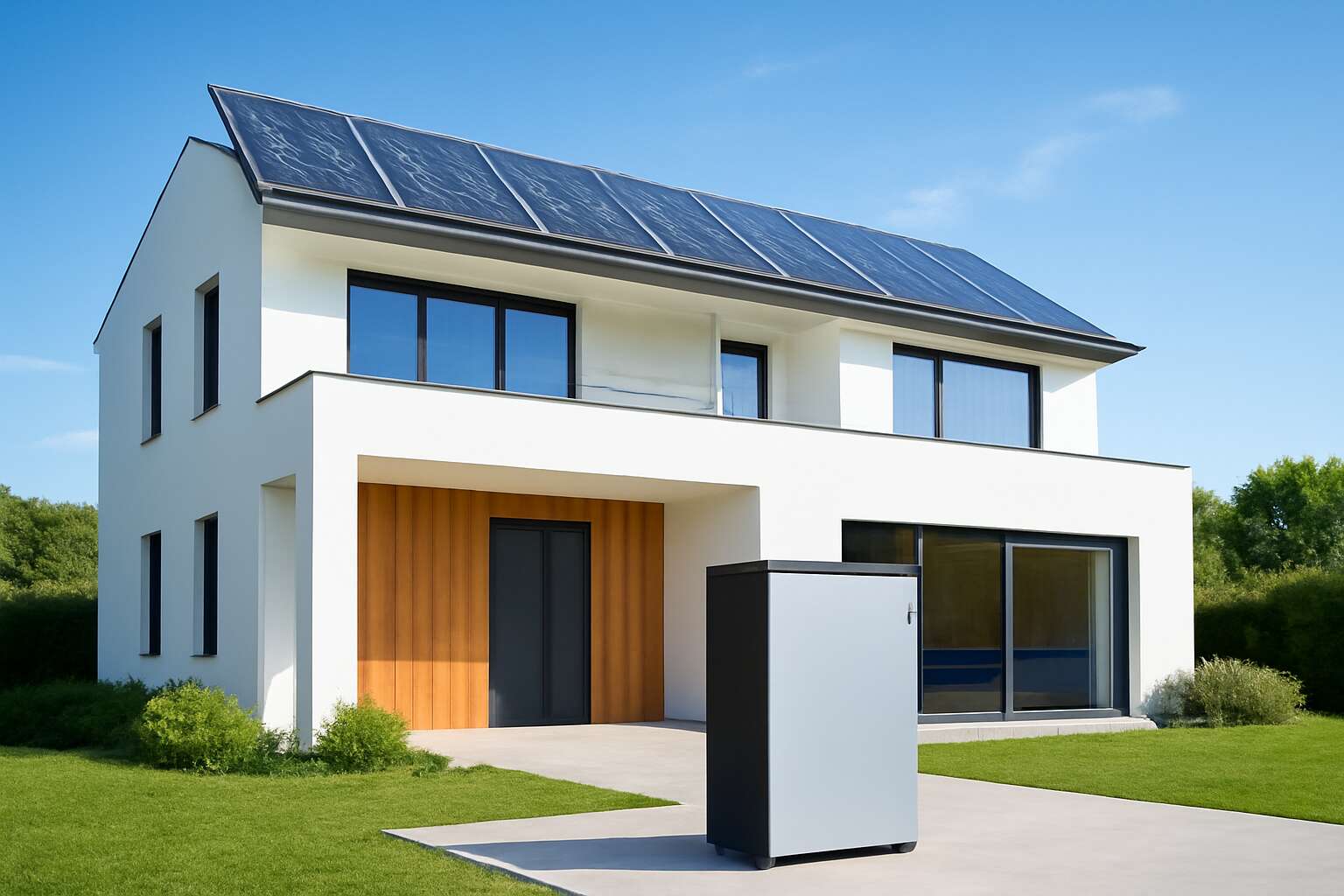
Overview of solar storage solutions
What are solar batteries and how they work
Sunshine is abundant and power is precious. “Storage is the quiet engine that turns daylight into night-time power,” one engineer likes to say. That sentiment anchors the overview of solar storage solutions and the role of batteries in resilient homes and businesses.
What are solar batteries? They store energy from solar panels for use later, smoothing the daily cycle. In simple terms, they use a chemical reaction to hold electricity, then release it through an inverter when sun fades or the grid falters. Depth of discharge, cycle life, and chemistry shape performance, from lithium iron phosphate to sealed lead-acid.
- Charge from solar panels by day and discharge when needed
- Provide backup power during outages
- Work with smart inverters to optimize efficiency
In the South African context, solar batteries are a practical step toward energy independence, offering options across chemistries and spaces while aligning with climate and rhythm of life.
Key benefits of solar storage for homes and businesses
“Storage is the quiet engine that turns daylight into night-time power,” a sentiment that underpins solar storage in SA, where households and small businesses chase resilience with the same determination they show to catch the afternoon breeze.
Solar storage solutions come in many shapes, sizes, and chemistries, all designed to ride South Africa’s generous sunshine. When paired with solar batteries, daytime energy is captured and released during quieter hours, smoothing the daily cycle. Smart inverters choreograph the flow, optimizing efficiency and grid independence. From compact wall-mounted packs to larger banked arrays, the options fit different spaces and budgets.
Key benefits for homes and businesses include:
- Back-up power during outages, keeping lights and essential devices running
- Shaving peak tariffs by shifting usage to sun-rich periods
- Higher self-consumption and a stronger return on solar investment
In the South African context, solar batteries are more than hardware; they signal a commitment to energy independence, climate resilience, and steady operation through load shedding and price volatility.
Grid-tied vs off-grid solar storage setups
South Africa’s sun is prolific, and its outages are persistent—an uneasy duet that shapes how homes and businesses think about energy. Grid-tied and off-grid storage options offer different kinds of resilience, letting daylight power outlast the night with grace. When paired with solar batteries, the daylight harvest translates into a quiet, reliable current that smooths the day’s rhythm.
- Grid-tied storage stays connected to the grid, using stored energy to flatten tariffs and stay online during short outages.
- Off-grid storage stands alone, sized to power critical loads when the grid falters and the sun slips away.
Each path invites a different rhythm of life—a choice between communal reliability and personal sovereignty—crafted for SA’s climate where sunshine is plentiful and price volatility looms. The careful tuning of storage capacity and smart controls turns a simple installation into enduring value!
Common misconceptions about solar batteries
Across South Africa, the sun pours in like liquid gold for thousands of hours each year, and outages keep people on their toes. Solar storage solutions turn that daylight harvest into a quiet, dependable current that threads through evenings with grace—thanks to solar batteries that cushion price swings and keep essential loads humming.
Common misconceptions about solar batteries get in the way of smart planning. Here’s a quick reality check:
- They only work in large, expensive systems.
- Heat shortens lifespan and reduces performance.
- They magically pay for themselves without any changes in usage.
In practice, modular packs, temperature-aware management, and proper sizing unlock steady power without drama, making solar batteries a practical asset for homes and businesses under SA skies.
Solar battery technologies and chemistry
Lithium iron phosphate vs other Li-ion chemistries for solar storage
Sun-powered resilience isn’t a luxury; it’s becoming the baseline. In South Africa, outages gnaw at daily life, and a bank of solar batteries can turn daylight into steady power. I’ve stood beside quiet racks as dusk settles and felt the room pulse with potential. As one installer puts it, “The sun pays you back every day; you just need the right bank to cash the energy.”
Lithium iron phosphate, or LFP, is celebrated for safety, long cycle life, and cobalt-free chemistry—perfect for home storage. Other Li-ion chemistries—NMC, LCO, NCA—offer higher energy density but bring greater thermal risk and faster degradation in warm climates. For SA deployments, LFP often hits the right balance.
- LFP: safety, long life, cobalt-free, good for long-term storage
- Other Li-ion chemistries: higher energy density but higher risk and cost
- Decision drivers: climate, budget, durability
Lead-acid options for solar energy systems
Power stability isn’t a luxury—it’s a lifeline, and in South Africa it’s a daily reality. As dusk creeps in, the glow of solar batteries promises quiet reassurance. Options span from traditional lead-acid to modern chemistries with higher energy density, but lead-acid remains a trusted baseline for SA homes facing heat and outages.
- Flooded lead-acid: budget-friendly but needs ventilation and regular maintenance
- AGM (absorbed glass mat): sealed, maintenance-light, space-efficient
- Gel: deep-cycle performance in heat, reduced gas release
Choosing among lead-acid variants means weighing cost against durability, especially in warm climates where temperature swings matter. solar batteries still anchor resilience, offering steady performance when the grid stutters, even as lithium chemistries push the envelope.
Flow batteries and their role in large-scale storage
“The grid is a fickle friend; storage is the steadfast shield.” In a country where dusk drapes the grid in velvet hush, flow batteries stand as a patient sentinel for large-scale solar storage. Solar batteries in the wings ensure power when the sun dims; flow chemistry stores energy in liquid electrolytes that flow through an external circuit, letting energy capacity grow without inflating the power plant’s immediate punch. For utility-scale schemes, this decoupling matters: you can swell the tanks to drink more energy while keeping the stacks lean for rapid response.
South Africa’s grids crave resilience, and vanadium-based or zinc-bromide chemistries offer a stubborn, patient cadence for hours of darkness.
- Scalable energy storage with long cycle life
- Steady performance in heat and outages
- Decoupled energy and power for large projects
In the shadowed glow of solar batteries, flow systems whisper of a future where size meets stamina.
Battery management systems and safety considerations
Charge by day, deliver by night—solar batteries are turning daytime sun into nighttime certainty. When chemistries run from lithium iron phosphate to next-generation solid-state, performance hinges on stability, longevity, and safety as much as energy density. In SA, the right pairing of chemistry and components means resilience against heat, outages, and rising grid costs. The payoff is simple: smoother bills and a more reliable power story.
Battery management systems (BMS) are the quiet guardians of solar batteries. They watch voltage, current, and temperature, balance cells, and prevent overcharge and deep discharge. A good BMS talks to inverters, flags faults, and guides safe operation during peak swings. All of this makes solar batteries safer and more reliable for South African homes and businesses.
- cell balancing, SOC/SoH tracking
- thermal management and ventilation
- short-circuit protection and fault diagnostics
In SA, adherence to local safety standards is non-negotiable.
Choosing the right chemistry for your needs and budget
Solar chemistry is the quiet storm behind daytime dreams turning into nocturnal certainty. In SA, choosing the right chemistry for your solar batteries hinges on climate, budget, and risk tolerance. LiFePO4 offers stability and long cycle life, nickel–manganese–cobalt blends push energy density, while emerging solid-state chemistries promise safety with a whisper-thin footprint.
- Lithium iron phosphate (LiFePO4): safety, thermal stability, long lifecycle
- Nickel manganese cobalt (NMC): higher energy density for solar batteries, but higher cost and careful charging
- Solid-state and other next-gen chemistries: potential future-proofing with compact form factors
The choice isn’t only about energy capacity; it’s about weathering heat, outages, and price trends in South Africa. That alignment with your budget and climate delivers steadier bills and a calmer night, turning sunlight into reliable power you can trust!
Sizing, integration, and system design
How to size a solar battery bank for peak consumption
Sizing a solar battery bank is where the story of reliability begins. A veteran installer once reminded me, ‘size the bank to the demand, not the dream.’ When the bank matches peak use, solar batteries transform sunny days into steady, silent power—almost as if the sun itself lends a quiet, protective whisper when the grid falters.
A quick guide to sizing and integration includes:
- Peak daytime consumption patterns
- Inverter rating and DC/AC efficiency alignment
- Seasonal variability and weather resilience
- Future expansion potential and tariff changes
System design ties sizing to compatibility and safety. Choose a configuration that prioritises essential loads, allows for hybrid or off-grid capabilities, and plans for safe placement, ventilation, and accessible maintenance. In South Africa, where the sun is abundant, the right storage layout turns that power into dependable, round-the-clock energy for homes and businesses.
Inverter, charger, and DC coupling considerations
South Africa averages around 2,500 hours of sun annually, a statistic that should spark a practical plan for solar batteries. “Size the bank to the demand, not the dream,” a veteran installer reminded me, and it still rings true when you align storage with real daily peaks. When sizing and integration are tight, the inverter rating, charger compatibility, and DC coupling decisions determine how smoothly energy flows from sun to home.
- Inverter rating and peak daytime load alignment
- Charger compatibility and charging profiles
- DC-coupled vs. AC-coupled architectures along MPPT efficiency
For system design, prioritise essential loads, proper ventilation, and safe placement. In South Africa, a well-planned layout makes this storage reliable around the clock for homes and businesses.
Hybrid versus grid-connected designs and codes
South Africa basks in roughly 2,500 sun hours a year, turning storage from fantasy into strategy. Size the bank to demand, not the dream, a veteran installer reminded, and the city lights thank you when daytime peaks line up with use. With solar batteries in the mix, planning becomes practical.
Hybrid versus grid-connected designs and codes shape how energy flows when sun gives and clouds take. Hybrid setups offer steady backup and smarter charging, while grid-tied layouts rely on interconnection safety and defined fault protections. In South Africa, the path must respect local standards and utility requirements, keeping homes resilient and compliant.
For system design, prioritise essential loads, proper ventilation, and safe placement. The layout should balance thermal management with easy access to control points, especially in SA’s climate.
- Load prioritization
- Ventilation and thermal safety
- Code-compliant interconnection
Performance, maintenance, and cost considerations
Understanding depth of discharge and cycle life
Across South Africa, households with solar batteries report up to 60% fewer blackout hours. Performance hinges on how you treat the depth of discharge and the cycle life—the number of times you can empty and refill before the battery calls it quits. In SA outages, these systems become the stubborn friend who keeps the lights on while demanding respect for chemistry and cooling needs.
Maintenance is less about sponges and more about philosophy: you’re balancing chemistry, temperature, and system compatibility to preserve capacity over time. Here are the forces that shape longevity:
- Depth of discharge and cycle life interplay
- Thermal management and ambient conditions
- Charge controller and inverter compatibility
- Quality of cell manufacturing and monitoring analytics
Cost considerations balance upfront price with long-term value. The sticker price for solar batteries can be eye-watering, yet savings from outages and grid resilience often justify the investment in South Africa.
Monitoring, maintenance, and warranty essentials
In South Africa, resilience is the new default; a single charged battery can keep the lights on when the grid falters. “Resilience is a baseline,” an installer often reminds clients, and that mindset shapes every installation.
Performance is a quiet discipline—proper cooling, thoughtful depth of discharge, and clean integration with your inverter ensure steady power during outages.
- Monitoring of voltage, temperature, and state of charge
- Firmware updates and system health checks
- Clear warranty coverage and service terms
Cost considerations balance upfront investment with long-term value; the right solar batteries pay for themselves through reliability, lower outages, and enhanced property resilience in SA’s energy landscape.
Cost breakdown: purchase, installation, and incentives
Outages are the new normal, and performance is the quiet discipline that keeps you powered when the grid falters. Solar batteries reward smart thermal management, careful charging, and a clean handshake with your inverter—no drama, just steady watts when you need them most. With solar batteries in the mix, reliability compounds.
Maintenance is the boring-but-brilliant backbone: regular checks, solid connections, and timely service from a trusted technician. When upkeep is routine, your system shrugs off fatigue and keeps delivering resilience, turning potential outages into a minor inconvenience rather than a lifestyle disruption. Solar batteries reward ongoing care.
Cost considerations matter as much as capability. A transparent cost breakdown—purchase, installation, and incentives—helps you see value beyond the sticker price.
- Purchase: upfront price of solar batteries
- Installation: labour, protection, and permits
- Incentives: rebates, subsidies, and tax relief where available
Efficiency and charging strategies for maximum lifespan
“Outages are the new normal,” and solar batteries deliver the steady watts that power keeps flowing when the grid falters. For SA homes and SMEs, reliability isn’t a luxury—it’s business continuity. Solar batteries convert sunlight into resilient energy, quietly supporting daily routines and critical loads with confidence.
Performance hinges on maintenance. Regular checks, solid connections, and a trusted technician keep the system in fighting form. A well-kept setup shrugs fatigue, extending life and reducing unexpected downtime.
Cost considerations still matter: purchase, installation, and incentives drive value beyond the sticker price. To maximize lifespan, efficiency and charging strategies matter more than raw capacity. Keep temperatures in check, avoid aggressive deep cycles, and let the system align with sunny hours.
- Temperature management supports performance.
- Smart charging aligns with solar production.
Environmental impact and recycling options
South Africa’s outages have become the new normal—hundreds of hours of disruption annually in some regions—making reliable power a necessity, not a luxury. Solar batteries transform daylight into steady watts, quietly supporting daily routines and critical loads when the grid falters.
Performance rests on regular checks, sturdy connections, and a trusted technician—maintenance choices that help the system stay resilient.
Cost considerations still matter: purchase, installation, and incentives shift value beyond the sticker price as systems integrate with existing setups and local tariffs.
Environmental impact and recycling options matter: selecting components with responsible end-of-life paths reduces waste and supports a circular economy.
- Manufacturer take-back programs for recycling
- Local e-waste collections and certified recyclers
- Safe handling and proper disposal of damaged cells
ROI and payback timelines across regions
Outages across South Africa have become the new normal, and solar batteries turn daylight into dependable watts for kitchens, clinics, and small enterprises alike. When sizing is right, connections are solid, and a trusted technician handles the setup, performance holds steady, and resilience quietly powers daily life.
Maintenance matters. Regular checks keep performance honest:
- Visual checks of mounting, cables, and terminations as part of ongoing care
- Battery health monitoring through the system’s management interface
- Safe handling and disposal of damaged cells with certified recyclers
Costs beyond the sticker price—installation, integration with existing systems, and local tariffs—shape ROI and payback timelines across regions. In some areas with higher tariffs and longer outages, the payback window can be shorter, while others may take longer but still gain reliability and energy independence.



0 Comments