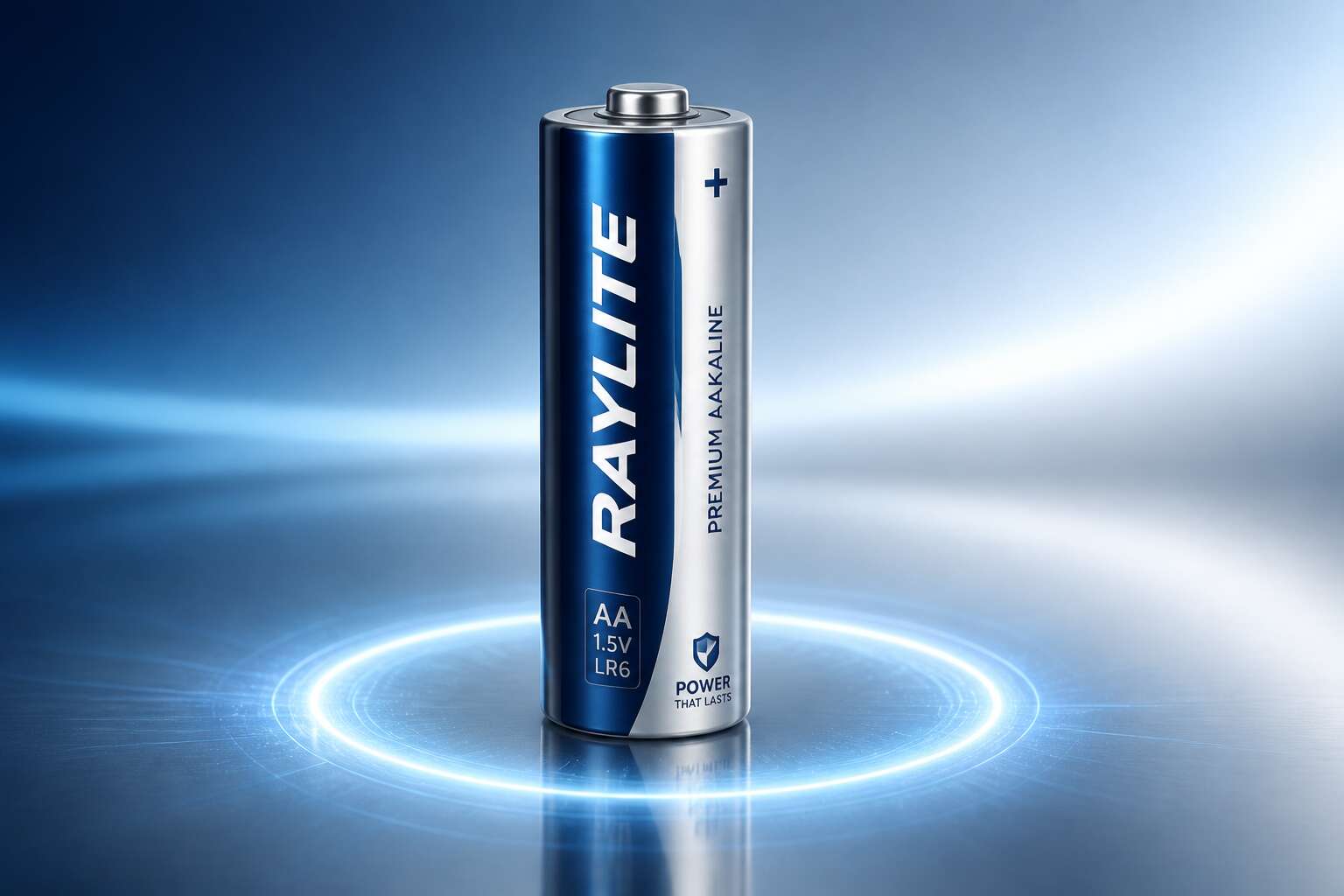
Understanding the Core Technology
The Chemistry Behind the Power
Each cell in a lead acid battery produces 2.1 volts. Six cells linked in series give you the 12.6 volts that turns a starter motor. The real story is the reaction at the plates.
Sulfuric acid reacts with lead dioxide and sponge lead. Electrons move from the negative plate to the positive terminal. This flow is the current that powers everything from headlights to ignition systems!
- Plate surface area controls current delivery
- Electrolyte concentration sets the voltage peak
- Lead alloy purity reduces self discharge
Proper cycling prevents sulfate buildup. Raylite batteries manage this through optimized plate design, giving consistent cranking power in any season.
Key Performance Indicators to Consider
In South Africa, where load shedding interrupts daily routines, battery reliability is not a luxury. It is a necessity. When you compare performance, focus on key indicators that truly measure endurance. Cold cranking amps tell you how well a battery starts an engine in winter mornings. Reserve capacity reveals how long it can sustain your lights or alarm system during an outage. Cycle life indicates how many charge and discharge cycles the battery can handle before fading.
- Charge acceptance: how quickly the battery recovers from a deep discharge.
- Internal resistance: lower values mean less energy lost as heat.
- State of charge accuracy: helps you avoid unexpected failures.
These metrics matter because they separate dependable power from mere promises. raylite batteries excel in these areas, using robust plates and careful manufacturing. Their design targets the stresses of local conditions, so you get consistent performance when you need it most.
How Temperature Affects Output
Temperature is not an abstract variable. It is a physical force that shifts how energy moves through any lead acid system. When mercury drops below 10 degrees, the chemical reaction inside a battery slows, reducing available current. In heat above 35 degrees, that same reaction accelerates, but internal components age faster.
raylite batteries use thicker grids and stabilised paste to keep output steady across these extremes.
- Cold increases internal resistance, which directly lowers cranking power.
- Heat accelerates grid corrosion, which shortens service life.
Most batteries lose 10 percent of their rated capacity in winter conditions. raylite batteries limit that loss through tighter manufacturing tolerances. You get a discharge curve you can predict, even when the forecast cannot be trusted.
Common Myths and Misconceptions
The lifespan of raylite batteries depends on craftsmanship hidden inside the casing. Calcium alloy grids resist corrosion, and the paste formulation controls how completely each cell discharges. Details such as weld quality and separator integrity determine whether a battery survives two years or eight.
A common misconception is that a battery reading 12.6 volts is healthy. Voltage reveals state of charge, not capacity. I have watched too many installations fail because someone trusted that reading. Another myth assumes all 12V batteries behave alike.
Consider these frequent errors:
- Judging health by terminal voltage alone
- Pairing fresh batteries with aged units
- Using a cranking battery for deep cycle work
Each mistake shortens the useful life of the bank.
Evaluating Durability and Lifespan
Typical Life Expectancy Under Different Conditions
Typical life expectancy for raylite batteries changes with every sneeze of fate! In my experience, durability depends entirely on your charging habits. Slow, steady cycles produce reliable longevity, while aggressive demands will leave you shopping again soon.
Consider these patterns:
– Shallow discharges add years of service
– Deep drains force the chemistry to work harder
– Humidity accelerates terminal wear
Under typical load shedding schedules, these units handle periodic cycling well, provided you give them rest. I have watched a pair last eight years in one home and fail within months in another. The difference was not luck, but attention. Each condition alters the outcome, so track your usage and adjust accordingly.
Shelf Life vs. Operational Life
Shelf life and operational life measure different things. Shelf life is the duration a battery remains usable while stored, losing charge slowly to internal reactions. Operational life is the duration of active service, measured in charge and discharge cycles. For raylite batteries, the difference between these two figures can be substantial, and it will catch you off guard if ignored!
A cell might rest on a shelf for three years and still accept a charge. That same cell could fail after eighteen months of heavy daily cycling. This gap matters for anyone planning backup power budgets in South Africa, where load shedding forces irregular charge patterns that strain the chemistry in ways a storeroom never will.
- Shelf life assumes moderate storage temperatures and no connected load
- Operational life assumes real use, with depth of discharge and charge frequency as variables
Neither number is fixed. raylite batteries reward owners who track both measures separately and plan around the more demanding one.
Signs That Indicate Replacement Is Needed
A battery that reads 12.6 volts at rest can still collapse under load in seconds. That is the first clue that raylite batteries hide their true condition until you stress them.
We see it in every test! Voltage is the easiest metric to check, but it is not enough. Measure capacity through a controlled discharge. Track how long the inverter runs before the low-voltage alarm sounds. Compare that against the rated amp-hours. When the usable energy drops below 60% of the rated figure, the cell is spent.
Physical signs matter too:
- Bulging casing indicates internal gas pressure.
- Corroded terminals point to leaking electrolyte.
- Cracks or discolouration signal thermal stress.
A raylite battery nearing end of life demands longer absorption times and finishes charge cycles hotter than usual. These signs appear months before outright failure.
Tips for Extending Overall Longevity
An energy audit of your application is the first step in evaluating the true durability of raylite batteries. A system that demands sustained high discharge will age quicker than one with modest, cyclical loads. Pairing the correct charger matters equally. Float voltage set 0.3 volts too high can slowly cook the plates, invisible until capacity fades. Field observations confirm that longevity comes down to discipline:
- Recharge immediately after deep discharges.
- Clean terminals with a wire brush each quarter.
- Torque connections to the manufacturer’s specification.
Regularly measuring the discharge curve, not just resting voltage, reveals genuine health. A unit losing 2% capacity per year under optimal conditions is performing to expectation. Anything steeper signals a mismatch between usage and battery design. That mismatch, rather than the battery itself, usually causes premature replacement. Consider, too, that raylite batteries paired with temperature-compensated charging consistently deliver additional seasons of reliable service.
Financial Implications and Budgeting
Initial Purchase Price vs. Long-Term Savings
When loadshedding schedules fluctuate and fuel prices for generators keep climbing, the initial purchase price of a power backup often dominates the conversation. Yet, the real financial picture for South African households and businesses hinges on the cost per cycle. A cheaper, lower quality unit may seem attractive at the till, but its operational lifespan often falls short, leading to more frequent replacements. Raylite batteries are engineered for durability, which shifts the focus from the upfront rand amount to the value derived over years of service.
This is where the distinction between price and cost becomes critical. Price is the once off payment; cost is the cumulative expense of ownership. Consider the factors that influence total expenditure:
– Frequency of replacement cycles, which impacts labour and disposal fees.
– Energy efficiency, meaning less electricity wasted during charging.
– The cost of downtime when a system fails unexpectedly.
These variables often make a robust option more economical in the long run. Investing in a reliable power source reduces the risk of spoiled stock or interrupted operations. For a business in Johannesburg or Cape Town, avoiding a single day of lost productivity can cover the difference in purchase price. The prudent approach is to calculate the total cost of ownership over a five year horizon, not just the initial outlay. That calculation almost always favours resilience and proven performance over short term savings.
Maintenance and Upkeep Expenses
One number lives on the spec sheet, another reveals itself over a decade of loadshedding. South Africans are becoming fluent in this distinction, yet the budgeting process often stops at the initial quote. The line item that should dominate financial planning is the one for replacement, maintenance, and the quiet cost of a system that underperforms. A Raylite battery asks for a different approach to budgeting, one that looks at the ledger over a longer arc.
Budgeting for maintenance is not about preparing for failure. It is about preparing for the natural rhythm of an electrochemical system. Water levels in flooded units require a disciplined eye, terminal corrosion demands attention, and the charging profile from your inverter needs periodic verification. These are not emergencies, they are chores. Yet each carries a cost, whether measured in your own time or a technician’s hourly rate. A robust unit like those from the Raylite range reduces the frequency of these interventions, but it does not eliminate the need for a maintenance fund.
The financial structure of ownership becomes clearer when you separate regular upkeep from surprise expenses.
1. Routine inspection costs, which include the labour and materials for cleaning and testing.
2. The cost of water or gel refills, depending on the specific technology.
3. Incremental electricity costs tied to charging efficiency and float losses.
4. The eventual disposal fee and environmental levy for the old battery.
Each of these factors is predictable. That is the point of a mature budgeting strategy. You allocate funds for them instead of scrambling for cash when a generator throws a rod or an inverter throws an error code. For a household in Pretoria or a retail store in Durban, the difference between a planned maintenance expense and an unplanned capital outlay is the difference between stress and stability. We have seen too many operations where a budget is set for a new unit but nothing is reserved for the system that keeps it alive. A Raylite battery thrives in a system that is cleaned, torqued, and recharged correctly, and that upkeep deserves its own line in the spreadsheet, not a footnote.
Bulk Purchase Discounts and Availability
Volume pricing changes the procurement conversation entirely. When a security company in Johannesburg orders forty units at once, the per-rand cost drops meaningfully. That arithmetic applies directly to raylite batteries, yet many buyers never ask about tiered pricing. They simply order one unit at a time and absorb the higher per-unit rate.
Availability is the second half of this equation. Stock levels fluctuate with demand cycles, especially before winter. A supplier with regional warehouses in Gauteng and the Western Cape can shorten lead times considerably. Before committing to a bulk order, confirm the batch date and warranty registration terms.
- Pallet pricing often differs from single unit pricing.
- Stock rotation determines whether you receive fresh manufacturing dates.
- Delivery fees can erase a discount if left unexamined.
These details turn a discount into a genuine saving. Bulk buying raylite batteries only works when the logistics support the price.
Warranty and Guarantee Considerations
The initial outlay for raylite batteries represents a fraction of the total cost of ownership when you factor in potential downtime and emergency procurement. A failure during peak season could force expedited shipping fees that exceed the price difference between a premium and a budget unit. Financial planning for backup power should therefore account for the value of guaranteed performance, not just the sticker price. This shifts the conversation from a simple transaction to a strategic investment in operational continuity.
Warranty terms act as the safety net for that investment. However, coverage is often conditional on specific usage patterns and environmental factors. Buyers should verify the claim process before purchase, as some suppliers link registration to the batch number.
– Confirm the warranty duration aligns with your expected operational cycle.
– Document the proof of purchase and installation date immediately.
– Check whether the warranty covers performance degradation or only outright failure.
The real cost consideration emerges when you compare the price of raylite batteries against the cost of premature replacement. A unit that fails one month after the warranty expires carries an unquantified liability. Thoroughly reviewing the guarantee terms before you commit ensures that your budget reflects the true long-term value of the power source. This foresight turns a simple purchase into a calculated financial decision.
Environmental Responsibilities and Safety
Proper Disposal Methods and Regulations
A single raylite battery, discarded without thought, leaches lead and acid into the soil for decades. In South Africa, the National Environmental Management: Waste Act classifies spent batteries as hazardous, and disposal outside registered channels is an offence.
What constitutes proper disposal under South African regulations is not vague:
- Take spent cells to an approved collection point at your nearest retailer.
- Seal terminals with tape to prevent short-circuit fires during transport.
- Never mix damaged or swollen cells with general refuse.
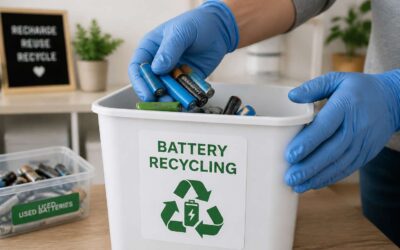
Recyclers recover the metals and neutralise the electrolytes, preventing a quiet contamination of the water table. The responsibility rests with the user, not the manufacturer. A moment of care costs nothing; a lifetime of pollution costs everything.
Recycling Initiatives and Take-Back Programs
South Africa’s e-waste stream grows every year, and spent portable cells ride along unseen. Raylite batteries follow a cleaner route when customers use formal take-back programmes. Large retailers now host drop-off bins in store, and manufacturers fund recycling lines that recover manganese and zinc. These efforts move environmental responsibility from communal landfill to circular recovery. I have watched collection bins fill within weeks, which tells me the system works when accessible. Safety protocols carry equal weight:
- terminals need tape to prevent short-circuit fires in transit
- swollen cells require quarantine in fireproof containers
- damaged housings demand immediate reporting to collection staff
These small acts protect workers across the recycling chain. Convenience should never outrank safety!
Storage Guidelines to Prevent Hazards
Every year, indoor battery fires destroy homes because of careless storage. Raylite batteries demand respect. Storing them loose in a drawer invites terminal contact with metal objects, which can trigger thermal runaway. A plastic container with individual slots prevents this.
Environmental responsibility starts before disposal. It begins with correct storage to prevent leakage and premature failure. Keep cells away from direct sunlight and moisture. Humidity corrodes terminals and accelerates self-discharge.
I have seen swollen cells in everyday use, and most people ignore the warning. A bloated cell indicates internal pressure buildup. Quarantine it in a fireproof bag immediately. Proper storage practices protect property and the people nearby.
Recognizing Damaged or Faulty Units
The onus of environmental stewardship rests squarely with the user of raylite batteries. Ignoring a compromised unit is a direct failure of this duty. The hidden cost of a leaking cell is the contamination of soil and groundwater, a legacy that far outlasts the brief utility of the battery. Household waste streams become toxic vectors when a faulty cobalt and lithium assembly cracks under stress.
Routine inspection is essential, as failure is often announced by visual injury. A discerning eye looks for these specific aberrations:
– Corrosion crusting around the terminals, which appears as a white or bluish powder.
– A pronounced distortion of the casing, indicating internal gas production.
– Physical tears or punctures on the outer steel jacket.
These signs demand immediate isolation. Do not attempt to charge a unit that shows these deformities. Placing a defective cell back into a device risks a violent rupture. Secure the damaged raylite batteries within a sealed container and transfer them to a certified hazardous waste facility. Ignoring the physical warnings invites a chemical reaction that will damage everything it touches.
Transportation Rules for Bulk Quantities
Moving raylite batteries in bulk demands a different mindset than shifting a few boxes. Environmental responsibility scales with the crate count. A pallet of cells stores energy, yet a short circuit could ignite the whole load.
Transport rules contain that risk. For bulk quantities, every package must survive vibration, impact, and temperature swings without breaching. Proper segregation of terminals, cushioning layers, and rigid outer containers are basic requirements. In South Africa, drivers must carry the correct dangerous goods documentation and placarding. I have seen compliance failures lead to rejected shipments and hefty fines!
- Inspect every pallet before loading.
- Verify the battery chemistry label matches the manifest.
- Ensure emergency contact numbers are legible.
Environmental responsibility does not end at the warehouse door. A spill during transit contaminates the road verge and stormwater drains. The operator bears the clean-up cost and the reputational damage. Handling raylite batteries with the same care as any hazardous cargo protects both the carrier and the environment.
Emergency Response to Leakage
A leaking cell turns a routine day into a chemical incident. When raylite batteries rupture, electrolyte demands immediate containment. In South Africa’s heat, evaporation concentrates the acid, making the hazard worse by the hour. Wear nitrile gloves, seal the damaged unit in a plastic bag, and cover the spill with absorbent granules designed for battery acid.
Environmental responsibility begins after the immediate threat is contained. The runoff from a rinsed floor carries dissolved heavy metals into the nearest stormwater drain. Municipal bylaws in cities like Durban and Pretoria treat that discharge as an illegal waste event. Neutralise the spill with sodium bicarbonate, collect every granule as hazardous waste, and log the incident for your waste manifest. A single raylite battery leak can pollute a catchment area if handled carelessly.
- Keep a dedicated spill kit within reach of every charging point.
- Train staff to recognise the difference between a damp patch and a leak.
- Inspect batteries for swelling or cracks during routine checks.
Practical Applications Across Industries
Household Gadgets and Everyday Electronics
Raylite batteries power more than your television remote. In manufacturing plants, they keep handheld scanners running through double shifts. For households, they bring consistency to items like smoke detectors and cordless phones. The real value appears in everyday electronics that demand steady voltage, such as wireless keyboards, electronic scales, and baby monitors.
Consider the range of devices that rely on dependable cells:
- Wall clocks and bathroom scales
- Kitchen timers and digital thermometers
- Garage remotes and garden lights
Each application drains energy at a different rate, but raylite batteries hold their output curve without sudden drops. I have seen a mining surveyor in Gauteng recharge her GPS unit less often, while a Cape Town family changes the smoke alarm battery only once a year. That consistency reduces interruptions across many settings.
Industrial Equipment and Heavy-Duty Machinery
Dust hangs thick over the conveyor lines at a Witbank coal facility. Machines run hot and never stop. In that grim noise, raylite batteries keep the handheld thermal scanners and proximity sensors alive. A single failure means a halted line and lost production.
Heavy industry demands certain devices stay powered:
- Underground communication radios
- Portable hydraulic test kits
- Vibration monitoring equipment
- Safety shutoff controllers
Each unit drains current at a different rate. Raylite batteries hold their voltage curve through the full shift. A maintenance foreman in Richards Bay measures bearing wear with a data collector that stays responsive for nine hours straight. On a drilling rig near Upington, the same cells keep the emergency shutoff systems armed through the night. There is no room for voltage sag when a machine can crush a man.
Medical Devices and Critical Systems
A trauma unit in Bloemfontein keeps defibrillators, infusion pumps, and heart monitors running on battery backup. When municipal power dips, the changeover must stay seamless. A monitor that resets mid-blip loses its waveform, its trends, and the clinician’s focus in one second.
Medical devices rarely draw the same current. An AED in a mall trickles microamps to a status light. A call bell floods a room with power. Both fail silently when a cell runs dry.
Raylite batteries cover that range without voltage droop. Nothing cuts out mid-readout, no alarm sounds when it should stay quiet. The same cell that powers a monitor for nine hours also holds a standby charge for months.
- Emergency call pendants in retirement homes
- Telemetry transmitters on high-care wards
- Portable suction and defibrillation units
Each of them depends on a stable power source. In critical systems, the margin is measured in seconds. Raylite batteries keep those seconds from becoming liabilities.
Automotive and Marine Implementations
About forty percent of vehicle breakdowns trace back to a dead battery, and most of those failures happen at the worst possible moment. On a farm outside Bethlehem, a bakkie must start at 4 AM to move cattle before the day heats up. In a harbour near Durban, a fishing trawler relies on its auxiliary power to run navigation lights through a squall. The conditions are harsh. The expectations are simple. The battery must simply do its job.
Raylite batteries are built for that kind of abuse. They handle the deep discharge cycles of a trolling motor without sulking. They shrug off the constant vibration of a dirt road in the Northern Cape. The plates are constructed to resist the corrosion that slowly eats away at lesser units. When you turn the key after a week of silence, the cranking amps are there. When you drop anchor and cut the main engine, the house load keeps running. The fridge stays cold. The radio keeps playing. The bilge pump stays silent because it has no reason to stir.
Marine environments are a different beast altogether. Salt spray finds every seam, every terminal, every exposed connector. A battery that fails here leaves a boat drifting, which is not a mechanical inconvenience. It is a safety issue. Raylite batteries use sealed construction that keeps the internals safe from moisture intrusion. They hold their charge through long layovers in dry dock. The same unit that starts a boat engine also powers the fish finder and the VHF radio for a full day on the water. That reliability is not a luxury; it is the difference between a good outing and a long swim.
The range of applications continues to grow:
– Utility trailers with electric brakes and winches
– Campers running inverters and solar charge controllers
– Quad bikes and game viewers on reserves
– Jet skis and small craft used for patrolling coastal waters
These are the quiet demands that rarely make headlines. A game ranger near Kruger needs infrared spotlights to work after a full day of patrols. A weekend fisherman needs the depth sounder to stay online while the engine idles. Automotive and marine users share one trait: they are a long way from a charging station when things go wrong. Raylite batteries bridge that distance with steady output and a stubborn refusal to quit. They turn the uncertainty of a remote location into a manageable variable.



0 Comments