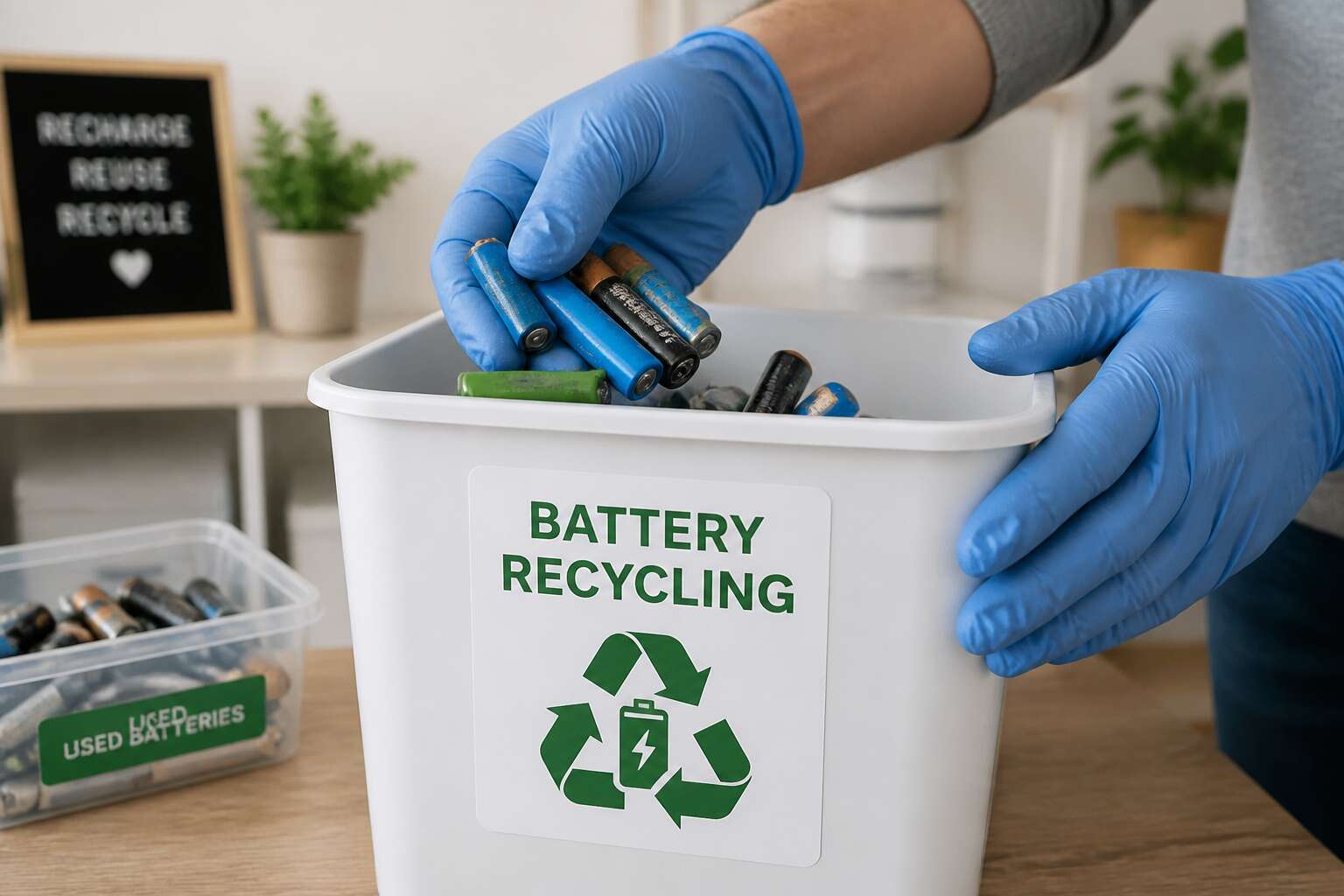
Understanding the Environmental Impact of Rechargeable Batteries
Hazardous Materials Inside Common Battery Chemistries
A single lithium ion cell holds enough reactive energy to power a device for years. That same energy turns dangerous once the casing corrodes. Rechargeable batteries are not inert waste. They contain pressurized electrolytes, heavy metals, and compounds that react violently when punctured or crushed. In my years handling e-waste, I’ve learned to treat every swollen cell as a live hazard.
Common chemistries carry distinct risks. Lithium ion cells can ignite if their internal separator fails. Nickel metal hydride contains rare earth alloys. Nickel cadmium, still found in older South African tools, holds cadmium, a cumulative toxin that damages kidneys and bones. When dumped in landfills, these materials slowly seep into groundwater.
- Lithium ion: flammable electrolyte, thermal runaway
- Nickel cadmium: toxic cadmium, corrosive potassium hydroxide
- Nickel metal hydride: less toxic, but still hazardous
This is why what to do with old rechargeable batteries starts with recognising what sits inside each cell. The chemistry defines the danger, and the danger defines the handling. In South Africa, where informal waste picking is common, a ruptured cell can injure someone far from its original owner. That alone should make you pause before tossing batteries in the bin!
Landfill Risks and Soil Contamination
A single discarded rechargeable battery may seem trivial, but its decomposition timeline stretches decades. In South African landfills, exposure to moisture and compression accelerates casing failure. The resulting leachate carries dissolved metals and conductive salts into underlying soil. This contamination alters the earth’s natural chemistry, often rendering the ground sterile for years.
Landfill soil acts as a sponge for these pollutants. Rain percolates downward, spreading the contamination beyond the original dumping site. The consequences are invisible to the eye, yet they persist long after the battery’s physical shell has rusted away.
Understanding what to do with old rechargeable batteries is therefore a question of halting this slow, silent poisoning of the land. The choice made at household level determines whether the contamination stays sealed or seeps into the wider environment.
The Value of Recovering Lithium, Cobalt, and Nickel
I have watched these numbers shift year after year. The average rechargeable battery often holds more value per kilogram than many commercial ores. A single lithium-ion pack contains lithium, cobalt, and nickel in concentrations that dwarf most geological deposits. These elements demand a recovery pipeline, not landfill burial!
Mining fresh lithium in the Atacama Desert evaporates billions of litres of brine. Cobalt extraction in the DRC relies on artisanal labour under hazardous conditions. Nickel smelting releases sulphur dioxide across surrounding forests. Every gram reclaimed offsets a gram that would otherwise require destructive fresh extraction.
Consider the economic arithmetic:
- Battery-grade lithium carbonate has quadrupled in price over five years
- Cobalt demand for electric vehicles is projected to grow sixfold by 2040
- Recycled nickel requires a fraction of the energy used in primary smelting
Understanding what to do with old rechargeable batteries means recognising that disposal forfeits these concentrated resources. Recovery is resource strategy.
How Improper Disposal Affects Waste Management Systems
South Africa’s waste management systems were not designed for the rechargeable battery boom. These units arrive at sorting facilities with enough residual charge to ignite when crushed. A single spark inside a refuse truck can halt operations for hours.
Municipal landfills lack the separation infrastructure to handle lithium-ion cells safely. Batteries taped poorly or tossed into general waste create a chain reaction of fires and contaminated recyclate. The result is a system working overtime to undo what disposal should never cause.
Understanding what to do with old rechargeable batteries begins with seeing them as a distinct waste stream, not an afterthought.
Safe Preparation Steps Before Getting Rid of Old Batteries
Checking for Visible Damage or Leakage
One swollen rechargeable battery can ruin an entire drawer of electronics. Before you work out what to do with old rechargeable batteries, you need to check each unit for damage. The first step is visual. Hold the battery under a bright light and rotate it slowly. Look for these signs:
- Bulges or warped edges
- Cracks in the plastic casing
- White or blue powdery residue near the terminals
Leaking batteries release corrosive fluid. That fluid can burn skin and damage surfaces. If you see any of those signs, isolate the battery immediately. Place it in a sealable glass jar or a leak proof bag. Do not store it in a metal container. Mark the package clearly. Then wash your hands with soap and water, even if you used gloves. This preparation step keeps your home safe and makes the next stage of disposal easier.
Taping Battery Terminals to Prevent Short Circuits
Before you work out what to do with old rechargeable batteries, you must neutralise the hidden danger of exposed terminals. A single positive and negative contact with a metal object creates a closed loop, and the resulting current can ignite nearby materials. This is why taping battery terminals is non negotiable before any transport or storage.
In my experience, a roll of PVC electrical tape works best. Cut strips long enough to cover both the positive and negative nubs completely. For button cells, wrap the entire circumference. For prismatic packs, cover the metal tabs where they emerge from the casing. Here is a quick checklist:
- Use non conductive tape, never metallic duct tape.
- Apply tape to every terminal, not just the ones that look worn.
- Keep taped batteries in a rigid cardboard box lined with a plastic bag.
This simple step costs three minutes and prevents a short circuit that could spoil your entire batch. Once every terminal is sealed, you can safely research what to do with old rechargeable batteries without worrying about sparks or burns.
Storing Batteries in a Non-Conductive Container
Rechargeable batteries hold enough residual charge to start a fire hours after removal. Before you think about what to do with old rechargeable batteries, preparation matters. A clean, dry workspace keeps lithium cells from contacting stray screws or coins. Use a plastic tray with raised edges to separate each battery. Wrap terminals first, then group cells by chemistry.
A non-conductive container is your second line of defence. Cardboard absorbs moisture. Use a rigid plastic box with a lid. Line it with a plastic bag.
1. Place taped batteries upright.
2. Do not stack heavy items on top.
3. Keep the container away from direct sunlight.
4. Label the box with the date and battery type.
Proper storage buys you time to arrange safe recycling. The right container prevents a thermal event before it starts.
Separating by Chemistry and Size
Before you take old batteries to a drop off, separate them. The drawer of dead remotes and toys holds mixtures that should never share a tray. Chemistry defines how each cell will be handled later, and size determines the sorting machine’s path.
Group nickel metal hydride apart from nickel cadmium, keep lithium ion by itself. A AA battery from a drill seems similar to a slim mobile battery, but their internal chemistry diverges. Place each class in a distinct plastic tray, or wrap and label them for your nearest South African collection point.
- Separate lithium ion, nickel metal hydride, nickel cadmium
- Group by physical size: AA, AAA, 18650, prismatic
- Use separate marked containers for each family
This careful parting prevents corrosive cross damage and makes what to do with old rechargeable batteries cleaner for collection points.
Labeling Containers With Disposal Dates
The date on a battery container seems trivial until you are staring at a corroded mass. Labeling containers with disposal dates gives you a precise record of how long each cell has waited. I use a permanent marker and a strip of tape on every bin for spent rechargeables.
Write the day you place the first battery inside. Update that date whenever you add more. Check the label every six months, and note when the collection point expects loads. This simple habit prevents you from guessing later.
- Use a waterproof marker that resists smudging.
- Record the initial date and the last date you added a cell.
- Reaffirm the date on the label after each inspection.
These steps clarify what to do with old rechargeable batteries when you finally drive to a drop-off. You arrive with full knowledge of your own timeline, which makes the facility’s job easier.
Where to Take Old Rechargeable Batteries for Recycling
Retail Store Drop-Off Programs
Retail stores have become convenient collection points for spent rechargeable batteries. Their drop-off bins, often placed near customer service desks, accept batteries without fuss. This transforms a routine errand into a responsible action.
When you enter a South African retailer, look for labeled collection points. Staff can guide you, though many locations operate on self-service. Some stores partner with recyclers, while others consolidate shipments to central facilities. The process is straightforward. You arrive with your bag of batteries, deposit them into the slot, and then depart. What to do with old rechargeable batteries becomes a question answered by proximity and habit.
- Confirm the store’s hours for battery collection.
- Inquire about quantity limits for household drop-offs.
- Always remove batteries from devices before arriving.
Municipal Household Hazardous Waste Facilities
Municipal household hazardous waste facilities operate quietly across South Africa, offering a darker corridor for batteries that have outlived their charge. Unlike the convenience of retail bins, these sites require intention. You must plan the journey, check operating hours, and present your batteries at the designated drop zone. The staff here deal with chemistry, not commerce.
Many municipalities designate specific days for hazardous waste collection, while others maintain permanent depots. Arrive with your batteries separated from other refuse. The attendant will likely ask about the battery type, though sorting often happens at a central processing plant.
At these facilities, you might encounter:
1. Dedicated storage containers for lithium based cells.
2. Sealed drums for damaged units.
3. Documentation recording your drop off.
The question of what to do with old rechargeable batteries finds its most complete answer here, where personal responsibility meets municipal duty.
Mail-In Recycling Kits and Services
For the environmentally inclined hermit, mail in recycling kits answer the question of what to do with old rechargeable batteries without ever leaving your veranda. A company sends a rigid box, you load your lithium warriors, and a courier spirits them away to a certified facility. It costs money, but so does a speeding fine toward the depot.
These services suit small volumes or damaged cells that should not rattle around a bakkie. Choose a provider that confirms its South African processing route, not one shipping mystery parcels abroad. Expect to specify battery chemistry on a form.
- Pre paid return labels.
- Containers that resist puncture.
- Certificates of recycling for office compliance.
Mail in kits trade convenience for cash, yet they rescue the truly time poor. That trade often proves worth it.
Manufacturer Take-Back Programs
Manufacturers of rechargeable batteries often operate their own take-back programs, which cut out the courier and the middleman. You return the spent cells directly to the brand, and they shoulder the responsibility for recovery. Some even provide prepaid labels, which makes this a tidy answer to what to do with old rechargeable batteries for the home tinkerer. The catch is that each company sets its own rules, so you cannot assume one policy fits all.
Before you box up your collection, check whether the program accepts your specific chemistry. Nickel metal hydride cells from a power tool might be welcome, while a lithium polymer pack from a slim phone could be declined. The manufacturer’s logo on the battery improves your odds. Look for these common arrangements:
- Drop-off bins at authorized retail partners.
- Prepaid shipping labels from the brand’s website.
- Collection points at service centres for larger volumes.
Verify that the program processes materials within South Africa, rather than exporting the problem to a less regulated shore. That single step transforms a dead weight into a component for the next generation of power.
Certified E-Waste Recycling Centers
Certified e-waste recycling centers offer the most audited route for spent cells. These facilities hold permits that mandate proper dismantling and material recovery. They are the destination of choice when you need certainty about what to do with old rechargeable batteries beyond simple collection. The process here is transparent, with weight slips and documented handling procedures.
What separates a certified center from a general scrap yard is the investment in specialized equipment. Lithium cells, for instance, require controlled discharge and inert atmospheres during crushing. A reputable South African facility will have this infrastructure. They also maintain a chain of custody, which matters for corporate governance and for the individual who wants proof of responsible disposal.
– The facility should display a current waste management license.
– They must provide a manifest for the volumes you drop off.
– Ask for their downstream processor details to verify local beneficiation.
The best operators view your old batteries as a feedstock problem, not a disposal problem. They recover cobalt and nickel for local industries. This turns your dead cells into a tradeable commodity, which is the most elegant answer to what to do with old rechargeable batteries in a country with growing energy storage demands.
Local Community Collection Events
Local community collection events answer what to do with old rechargeable batteries for residents who miss retail drop offs. Municipalities and neighbourhood associations in South Africa often host these drives quarterly. They set up temporary stations at community halls or shopping centres, staffed by volunteers who sort cells before dispatch.
These events work best when they partner with a licensed transporter. The organiser should show you where the batteries go next. If they cannot, treat the drive with caution. I have seen drives where the queue stretched around the hall, so arrive early.
- Drop off windows are usually limited to a few hours on a Saturday
- Accepted chemistries vary by the partner processor
- Proof of disposal is rarely issued at community drives
Seasonal events create a deadline that forces action. That is their strength. You cannot stockpile forever, and knowing what to do with old rechargeable batteries becomes easier when the collection point comes to you.
Innovative Ways to Extend Use Before Recycling
Repurposing Mildly Depleted Batteries in Low-Drain Devices
That old rechargeable battery, the one that barely holds a charge, still has something left to give. A mildly depleted cell can run a low-drain device for weeks. The wall clock, the TV remote, or the bathroom scale all accept this leftover energy without complaint.
Good candidates include:
- LED candles
- Wireless keyboards
- Digital thermometers
- Portable fans
This is a practical answer to what to do with old rechargeable batteries before they enter the recycling stream. In South Africa, where load shedding makes every stored joule precious, this habit earns its keep. When the voltage finally collapses, proper disposal becomes unavoidable. Until then, these cells do useful work instead of collecting dust in a drawer.
Building a DIY Power Bank for Emergencies
Load shedding has sharpened our awareness of stored energy, and old rechargeable batteries are not simply spent. Before consigning cells to the recycling stream, consider grouping the still functional ones into a DIY power bank for emergencies. This project requires basic wiring skills and a cheap USB charge controller.
The process is straightforward: match cells by chemistry and capacity, then solder them into a parallel configuration. A small plastic housing keeps the unit safe.
Good donor sources include:
– Old laptop battery packs
– Cordless drill batteries
– Modded vape devices
Your effort yields a lightweight source of power for smartphone charging, LED lighting, or a portable radio. This is a practical answer to what to do with old rechargeable batteries, extending their utility well beyond the single device they originally served.
Using Old Batteries in Solar Lighting Systems
A single 18650 cell retains enough energy to power a garden light for weeks. That stored capacity is too valuable to discard when the original device it served gives up the ghost. This is a practical answer to what to do with old rechargeable batteries before they reach the recycling stream. Solar lighting systems are forgiving, low-stress applications. They charge slowly and discharge gently, which is exactly what an older cell needs.
You can repurpose cells from any of these sources for this task:
– Laptop battery packs with decent voltage remaining
– Power tool batteries that no longer hold a full charge
– Unused rechargeable AA or AAA cells from household gadgets
Wiring a single cell to a small solar panel and a simple charge controller is direct. You solder three connections and seal the assembly against the weather. The result is a self-contained light for a pathway, a shed, or a security gate. Load shedding has made solar lighting a household staple in South Africa, but the panels often underperform without reliable storage. These repurposed cells provide exactly that.
The project saves money and keeps functional chemistry out of landfills. When the cells finally fail, you can still recycle them properly. This is a considered answer to what to do with old rechargeable batteries, one that stretches their utility to the absolute end.
Voltage Testing to Match Batteries With Compatible Gadgets
Before you relegate any battery to the recycling pile, run a voltage test with a multimeter. A cell reading 1.2V or higher often still powers low-demand electronics. Match that stored voltage to gadgets that require minimal current draw. This simple diagnostic step refines what to do with old rechargeable batteries, turning a blind test into a deliberate decision.
For instance, a 3.7V lithium cell that fails in a drill might drive a standalone humidity sensor for a season. Test each cell under load, then sort by measured capacity:
- Wireless keyboards and mice
- Battery-operated alarm clocks
- Small LED reading lamps
This method extends usefulness without risk, and the result is a practical answer to what to do with old rechargeable batteries before they hit the recycler.
Instructing Hobbyists and Schools on Safe Battery Projects
Every depleted rechargeable cell is a candidate for extended service. For hobbyists and schools, what to do with old rechargeable batteries becomes a classroom exercise in electrical stewardship. A cell that no longer holds a stable charge can still power a timer, a bench voltmeter, or a simple temperature sensor.
Consider these safe, supervised projects:
- Wiring a moderately depleted 18650 cell to an LED buzzer to demonstrate circuit continuity.
- Using a 60 percent capacity pack as a counterweight in a robotics arm.
- Assembling a low-current weather station that logs readings every minute.
Plastic battery holders keep each cell isolated. Half the rated current provides a reasonable ceiling for any load. Schools supervise every step, and hobbyists label cells with measured capacity.
The deliberate selection of cells for these tasks turns what to do with old rechargeable batteries into a judgment call based on evidence. A cell at 60 percent capacity still holds measurable energy. The craft of safe reuse relies on patience, precision, and respect for stored energy.
Selecting Eco-Friendly Replacements for Your Devices
Comparing Lithium-Ion vs. Nickel-Metal Hydride
Nothing determines the disposal pathway of a power cell quite like the chemistry that precedes it. Lithium-ion variants offer higher energy density and tolerate more charge cycles, which extends device longevity. Nickel-metal hydride cells, meanwhile, present a lower hazard profile and perform capably in moderate-drain gadgets. Both chemistries contain reclaimable metals, so what to do with old rechargeable batteries starts with selecting the next set deliberately.
A few practical considerations when comparing the two:
– Match the chemistry to the device’s discharge curve. High-drain tools prefer lithium-ion’s stable voltage.
– Consider ambient temperature. NiMH retains capacity better in cooler environments.
– Verify charger compatibility. Mismatched chargers accelerate degradation.
Weigh extraction impacts against operational efficiency. Laptops and power tools generally suit lithium-ion, while cordless phones and remote controls thrive on NiMH. These decisions determine how many cells enter circulation, and that volume shapes what to do with old rechargeable batteries when their service life concludes.
Reading the mAh Ratings and Cycle Life
Selecting a replacement cell is where the circular economy actually starts. The mAh rating tells you how long a battery will run between charges. The cycle life figure tells you how many times you can recharge it before the chemistry gives up. In a country where load shedding interrupts charging schedules, these numbers deserve real attention. Ignore them and you will buy cheap, replace often, and generate more hazardous waste. That waste eventually lands on your desk as the question of what to do with old rechargeable batteries.
Match the specifications to the device’s actual workload:
– Higher mAh ratings serve daily-use gadgets well.
– Longer cycle life matters for devices you expect to keep for years.
– Over-specifying a battery wastes money and resources.
A sensible replacement delays the day you must decide what to do with old rechargeable batteries. That delay means fewer cells entering the waste stream and less pressure on virgin mining. The specifications you pick today shape the disposal question you face tomorrow.
Seeking Batteries With Recycled Content
Choosing a replacement cell with recycled content turns the question of what to do with old rechargeable batteries into a smaller problem. In South Africa, where load shedding strains every power source, buying refurbished chemistry feels risky. But recycled batteries are not reused batteries. They contain recovered metals, refined to virgin-grade purity.
Seek manufacturers that disclose their recycled input. Some list a percentage on the box. Others partner with certified recyclers. This transparency matters because it shifts demand from primary mining.
Consider these markers:
- Third-party certification for recycled content.
- A documented take-back program.
- Warranties that cover capacity loss.
Each choice reduces the waste stream. You extend the device lifecycle and delay the day you must answer what to do with old rechargeable batteries.
Focusing on Brands With Robust Recycling Partnerships
When I replace a device, I now check the brand’s recycling partnerships before I check the price. Some manufacturers treat end of life as your problem. Others have built take-back networks that actually function in South Africa. These brands work with certified recyclers and publish recovery data. That transparency tells me my old battery will enter a proper recovery loop, not an informal scrap pile.
Brands with serious partnerships also design for disassembly. Snap-in cells replace glued packs. Return shipping gets subsidized. This matters when you finally face what to do with old rechargeable batteries.
Signals that indicate a genuine commitment:
- Public disclosure of recycling volumes by material.
- Free return programs that accept any brand.
- Repair manuals released to the public.
Each signal separates marketing from accountability. Your replacement choice then becomes part of the recycling chain itself.
Disposal Considerations for Specialty Battery Types
Choosing a replacement battery is not the finish line. Specialty types, such as lithium polymer pouch cells or sealed lead acid units, demand different disposal routes than standard cylindrical cells. Their internal chemistry dictates the level of hazard you are handling.
When I select eco-friendly replacements, I look for replaceable cells instead of welded packs. This design choice directly shapes what to do with old rechargeable batteries after the device dies. It also removes the need for specialist tools during the recycling process.
- Mercury free button cells from certified suppliers.
- Lithium iron phosphate packs with visible chemistry labels.
- Manufacturers that print disposal instructions on the wrapper.
These choices reduce hazardous waste before it forms. Confirm your local facility accepts the specific specialty chemistry before you drop anything off. That single step prevents contamination and keeps recovery loops intact.



0 Comments